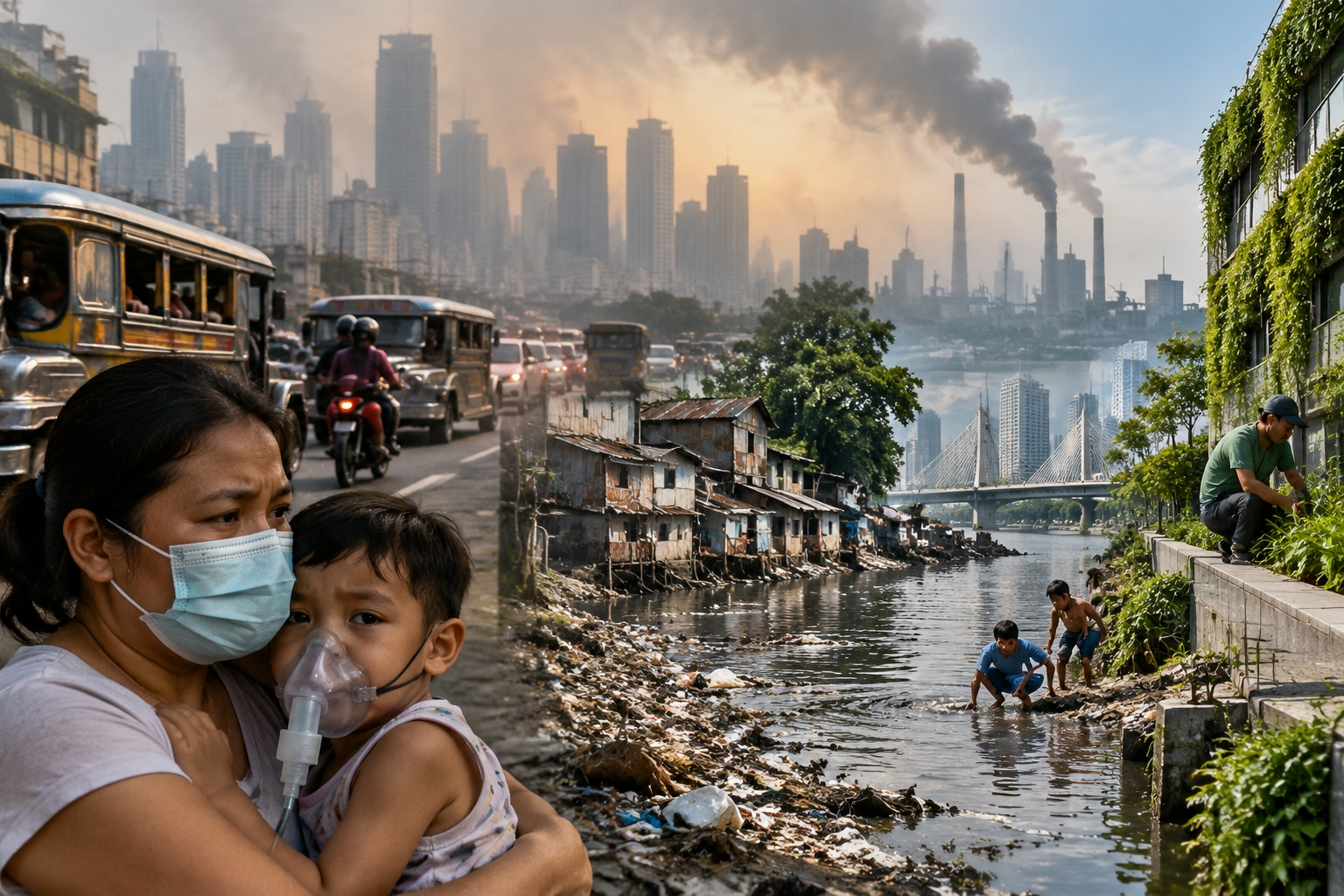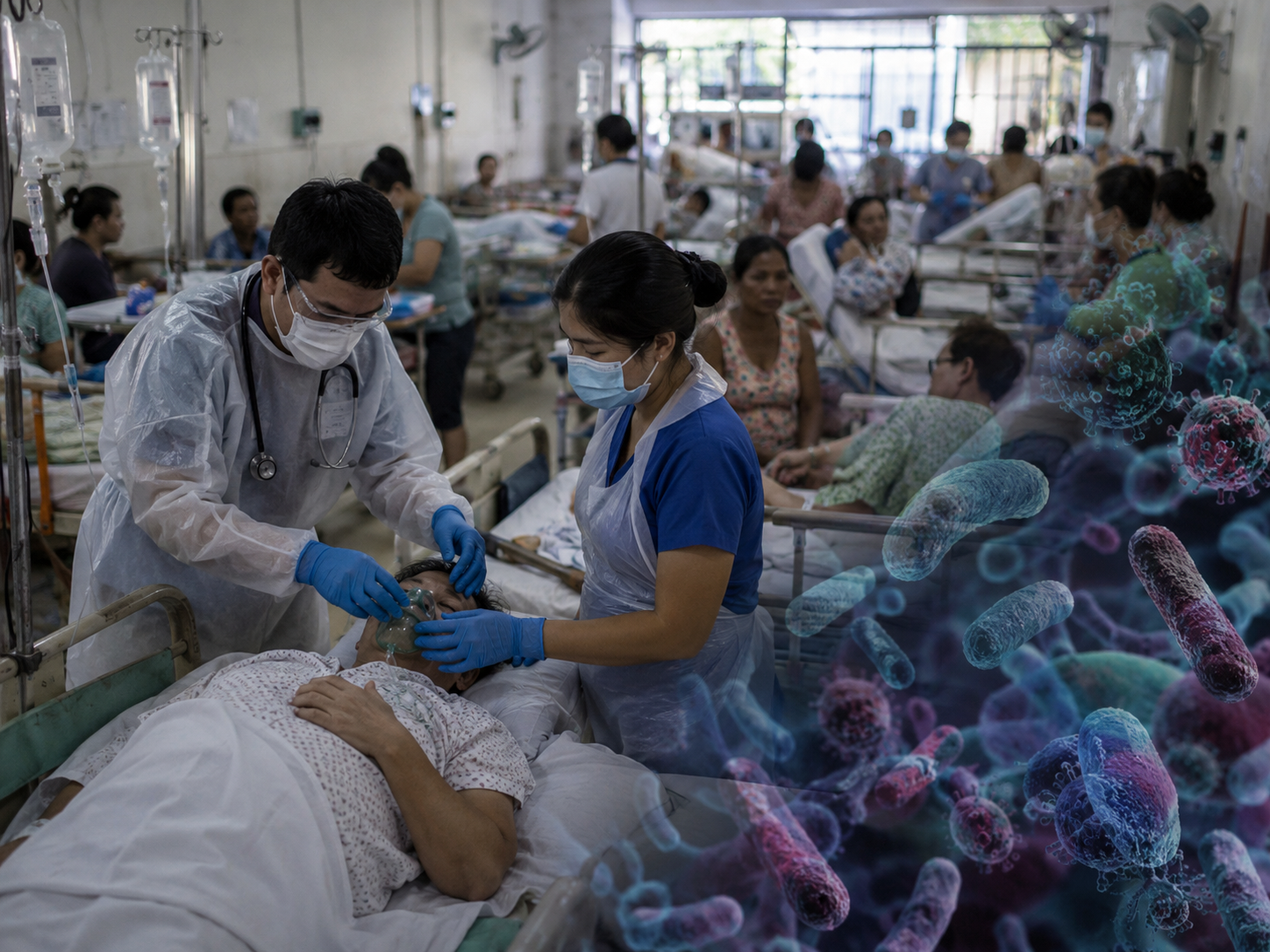
The health of a population is one of the strongest indicators of a country’s development. When people are healthy, they can study, work, care for their families, and contribute to society. However, public health problems such as disease outbreaks, malnutrition, poor sanitation, pollution, and limited access to medical care can weaken communities. Because these problems are connected to many aspects of life, the government has an important role in preventing and handling them.
A key function of the government is to design and enforce public health regulations. These regulations are created to protect people from health risks that they may not be able to control individually. For example, citizens cannot personally guarantee that all food products are safe, that factories limit pollution, or that drinking water meets health standards. Government supervision is needed to make sure that businesses, institutions, and public facilities follow rules that protect society.
The government is also responsible for developing healthcare infrastructure. Hospitals, laboratories, community clinics, pharmacies, emergency units, and health information systems are necessary for effective healthcare delivery. In areas where private health services are limited or expensive, public facilities become extremely important. By building and maintaining these services, the government helps ensure that people from different social and economic backgrounds can receive medical attention.
Prevention is one of the most effective ways to improve public health. Instead of waiting until people become sick, the government can reduce risks through vaccination, sanitation programs, health education, disease screening, and nutrition support. For example, immunization protects children from dangerous diseases, while health screenings can detect conditions such as high blood pressure or diabetes before they cause serious complications. Preventive programs save lives and reduce pressure on hospitals.
Another important government role is responding to emergencies. Public health crises can happen suddenly, such as epidemics, floods, earthquakes, food contamination, or air pollution disasters. In these situations, the government must act quickly and coordinate many resources. Health workers, rescue teams, transportation systems, laboratories, and communication channels must work together. Strong preparation before a crisis occurs can reduce casualties and prevent confusion.
The government must also pay attention to inequality in health. Not all groups face the same level of risk. Poor families, elderly people, children, people with disabilities, and communities in remote areas often experience greater barriers to healthcare. These barriers may include cost, distance, lack of information, or limited transportation. Public programs should be designed to reach these vulnerable groups so that health protection is fair and inclusive.
Education is another powerful tool in public health. The government can use schools, public campaigns, health workers, and media platforms to teach people about healthy behavior. Information about handwashing, balanced nutrition, physical activity, mental health, reproductive health, and disease prevention can help people make better decisions. Education becomes more effective when it is continuous and adapted to local culture and language.
Public health improvement also requires cooperation across sectors. The ministry of health cannot work alone. Clean water systems, housing, education, transportation, agriculture, and environmental protection all influence health. For example, better roads can help patients reach clinics faster, while better education can improve understanding of health information. This means that government planning should connect health goals with broader development policies.
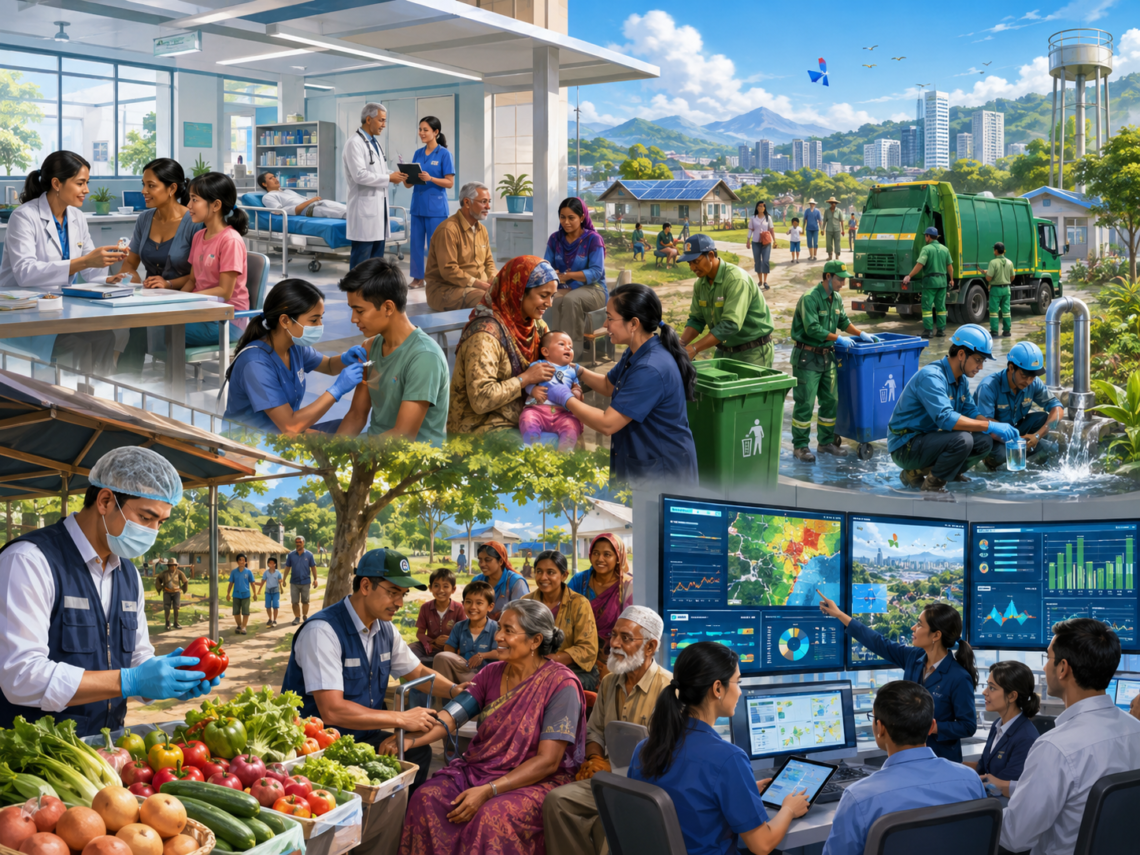
Through regulation, healthcare services, prevention, emergency response, education, and social protection, the government can greatly reduce public health problems. A healthy population is not created only through medical treatment, but through a complete system that supports safe living conditions, informed citizens, and equal opportunities to receive care.