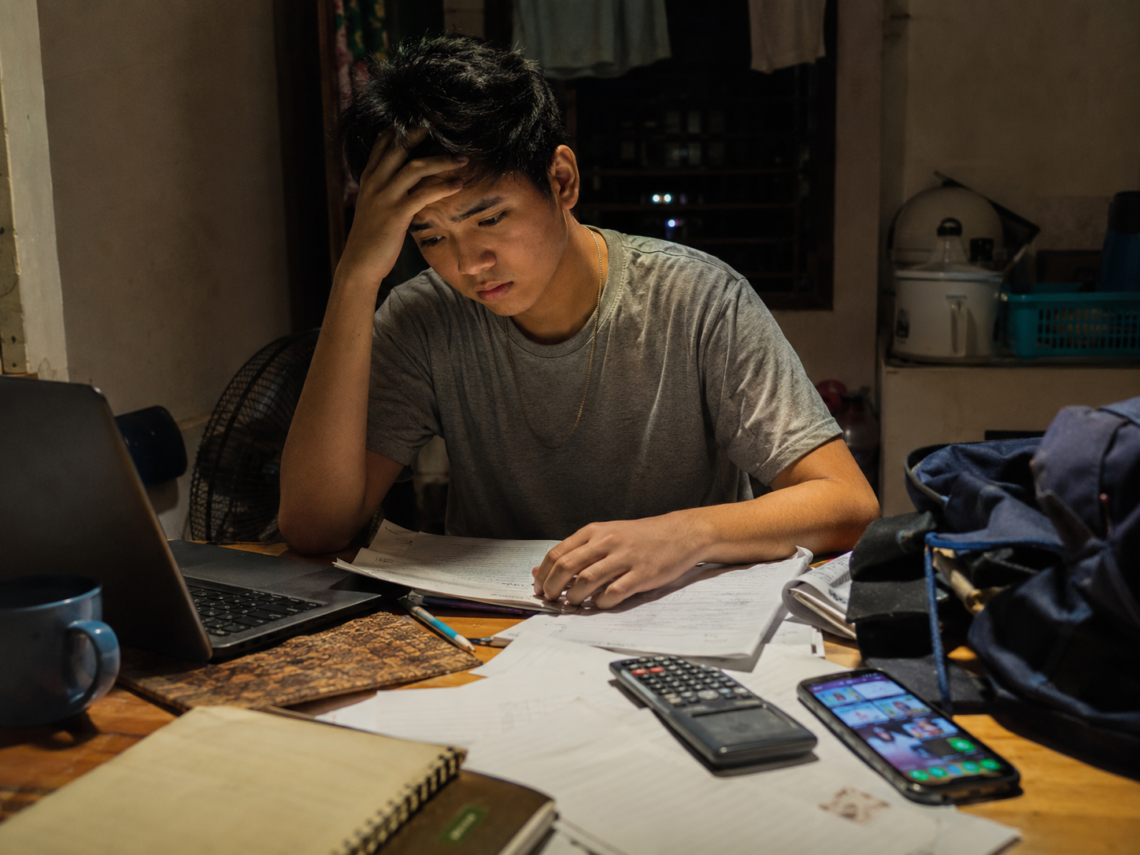
Financial stress has become a serious health issue for Filipino households trying to balance food, rent, transportation, education, electricity, debt payments, and medical expenses. Money problems are often discussed as an economic concern, but they can also influence sleep, blood pressure, eating habits, family relationships, and access to healthcare.
The pressure may be particularly intense for workers with unstable income, contractual employment, small businesses, or relatives who depend on regular financial support. A single emergency—such as hospitalization, job loss, or storm damage—can force a family to borrow money or delay essential expenses.
Why Money Problems Trigger Physical Symptoms
Financial uncertainty keeps the brain focused on possible threats. A person may repeatedly calculate bills, worry about debt collectors, or fear that the next salary will not cover basic needs. This constant alertness can activate the body’s stress response even when no immediate physical danger is present.
Common symptoms include headaches, muscle tension, rapid heartbeat, stomach discomfort, irritability, and difficulty sleeping. Prolonged stress can also contribute to unhealthy coping behaviors, such as smoking, excessive alcohol consumption, overeating, or dependence on highly caffeinated drinks.
The Philippines’ Department of Health maintains information about the National Mental Health Program at DOH Philippines: National Mental Health Program. The program reflects the importance of integrating mental health into the wider healthcare system, although availability and access may still differ among communities.
The Link Between Financial Pressure and Delayed Healthcare
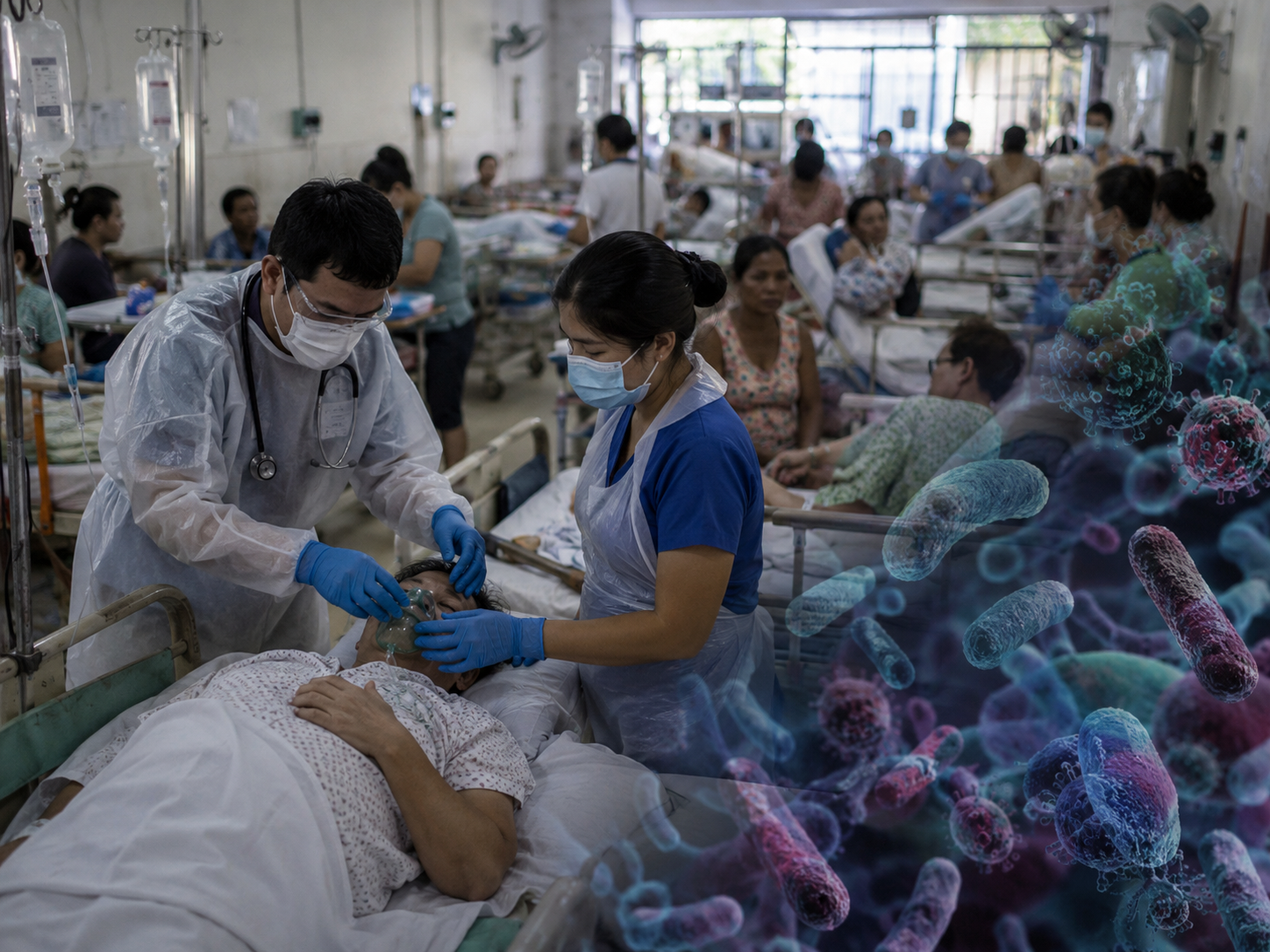
One of the most damaging effects of money-related stress is the decision to postpone medical treatment. A worker experiencing recurring chest pain, dizziness, or severe anxiety may avoid consultation because of transportation costs, diagnostic fees, medicine expenses, or fear of losing a day’s income.
Delaying care can allow manageable conditions to become more serious. People with hypertension may stop taking medication when household funds are limited. Others may choose cheaper food that is filling but high in sodium, sugar, or unhealthy fat.
The result is a cycle: financial stress harms health, poor health reduces the ability to work, and reduced income creates even greater financial pressure.
The Burden on Breadwinners and Overseas Filipino Families
Many Filipino adults carry responsibility not only for their immediate household but also for parents, siblings, or extended family members. Breadwinners may feel that admitting exhaustion or emotional distress would disappoint people who rely on them.
Families of overseas Filipino workers face a different form of pressure. Remittances may support daily expenses, education, housing, and medical needs, but separation can create loneliness, parenting difficulties, and expectations that the overseas worker can solve every financial problem.
An overseas worker who experiences burnout may hesitate to disclose it because relatives associate migration with financial stability. Meanwhile, family members in the Philippines may experience anxiety when remittances are delayed or employment abroad becomes uncertain.
Reducing the Health Cost of Financial Stress
Financial literacy can help families plan expenses, understand debt, and create emergency priorities, but education alone cannot solve low wages or unstable employment. Broader responses are also needed, including accessible healthcare, affordable medication, income protection, and community mental health services.
Families can reduce tension by discussing money without blame, identifying essential expenses, and agreeing on realistic limits for financial support. Transparent conversations may prevent one person from carrying the entire burden privately.
Individuals should seek medical or psychological support when stress causes persistent insomnia, panic attacks, hopelessness, uncontrolled blood pressure, or an inability to complete daily responsibilities. Financial hardship is not a personal failure, and stress-related symptoms deserve the same attention as other health conditions.
Protecting household health requires recognizing that economic security, emotional well-being, and physical health are closely connected.