Adolescent nutrition in the Philippines is no longer defined by hunger alone. Teenagers can experience undernutrition, vitamin and mineral deficiencies, obesity, or a combination of these conditions. A young person may consume enough calories while receiving too little iron, protein, fiber, and other essential nutrients.
This “double burden” is visible in communities where inexpensive processed food is widely available while fresh produce, fish, meat, and dairy products may be unaffordable or difficult to access. For adolescents, poor nutrition can affect concentration, immunity, physical growth, sports performance, and future risk of chronic disease.
Philippine health awareness programs are therefore expanding beyond traditional feeding activities. Schools and local governments are increasingly expected to teach teenagers how food choices, physical activity, sleep, marketing, and household income influence health.
Schools Can Shape Everyday Food Decisions
School canteens are important environments for nutrition education because students make repeated purchasing decisions there. Policies that encourage safer and healthier food options can reinforce lessons taught in science and health classes.
Nutrition awareness may include reading food labels, understanding sugar and sodium levels, planning affordable meals, recognizing misleading advertising, and avoiding extreme dieting. Teenagers also need to understand that healthy eating is not the same as pursuing unrealistic body standards promoted on social media.
School-based feeding programs are often associated with younger children, but adolescents may also require targeted support. Girls experiencing menstruation, for example, can be vulnerable to iron deficiency when their diet does not provide enough iron. Nutrition education should therefore include anemia awareness, menstrual health, and guidance on when to seek medical evaluation.
The UNICEF Philippines nutrition program highlights the importance of addressing malnutrition across childhood and adolescence through better diets, services, policies, and community support.
Obesity Requires a Non-Stigmatizing Approach
Obesity awareness can become harmful when campaigns shame teenagers because of their appearance. Weight is influenced by diet, physical activity, genetics, stress, medication, family income, neighborhood safety, and access to recreation.
A more effective strategy focuses on behavior and health rather than appearance. Schools can encourage daily movement, provide safe sports opportunities, reduce prolonged sitting, and teach students how stress and inadequate sleep influence appetite.
Physical activity programs must also be inclusive. Not every teenager enjoys competitive sports, and students with disabilities need appropriate options. Walking clubs, dance sessions, recreational games, and non-competitive exercise can reach a wider group.
Food Prices and Disasters Affect Teen Nutrition
Nutrition advice is less useful when families cannot afford the recommended food. Inflation, typhoons, flooding, crop disruption, and transportation problems can reduce access to nutritious products. In geographically isolated areas, adolescents may rely heavily on packaged food because it lasts longer and is easier to distribute.
Local governments can support community gardens, school gardens, nutrition screening, micronutrient programs, and referrals for teenagers showing signs of severe undernutrition or obesity-related illness. Barangay health workers can help families adapt meal plans to local ingredients and realistic budgets.
Digital Marketing Is the Next Major Challenge
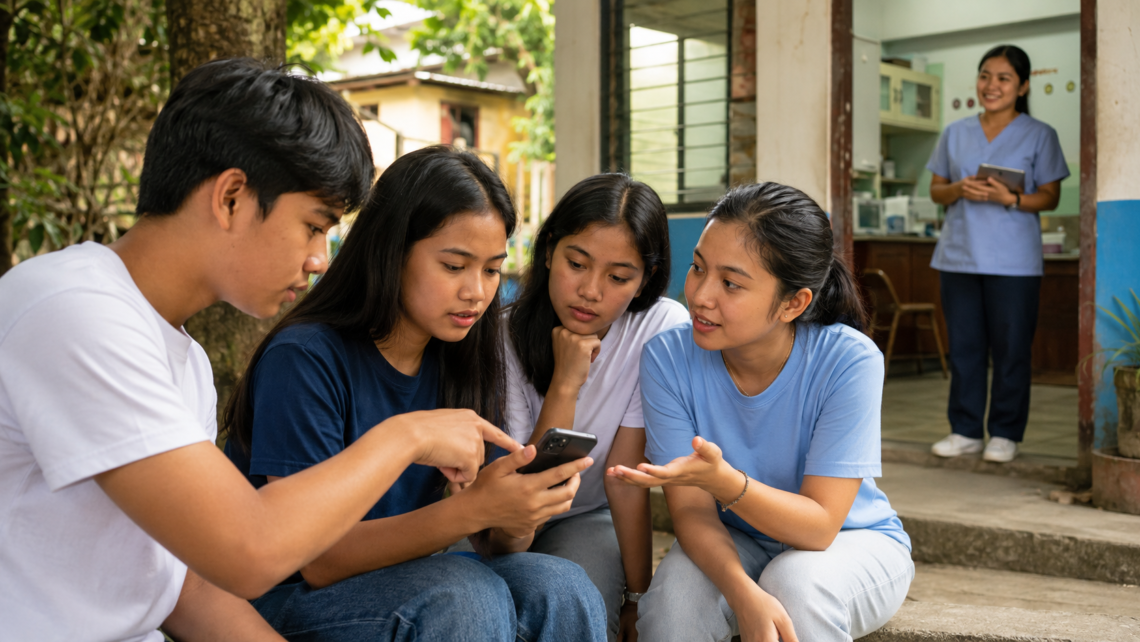
Teenagers are constantly exposed to online promotions for sugary drinks, fast food, supplements, and rapid weight-loss products. Health campaigns must compete with advertising designed to be entertaining, personalized, and shareable.
The Philippines can strengthen adolescent nutrition awareness by combining classroom education with credible digital content. Teenagers are more likely to respond when advice is practical, affordable, culturally familiar, and delivered without judgment. Nutrition literacy becomes meaningful when young people can apply it at the canteen, at home, in convenience stores, and while scrolling through social media.