Renting, Swapping, and Re-Commerce: How Filipino Consumers Are Participating in the Circular Fashion Cycle
Policy and production set the boundaries, but the circular economy ultimately depends on consumer behavior. In the Philippines, a quiet…

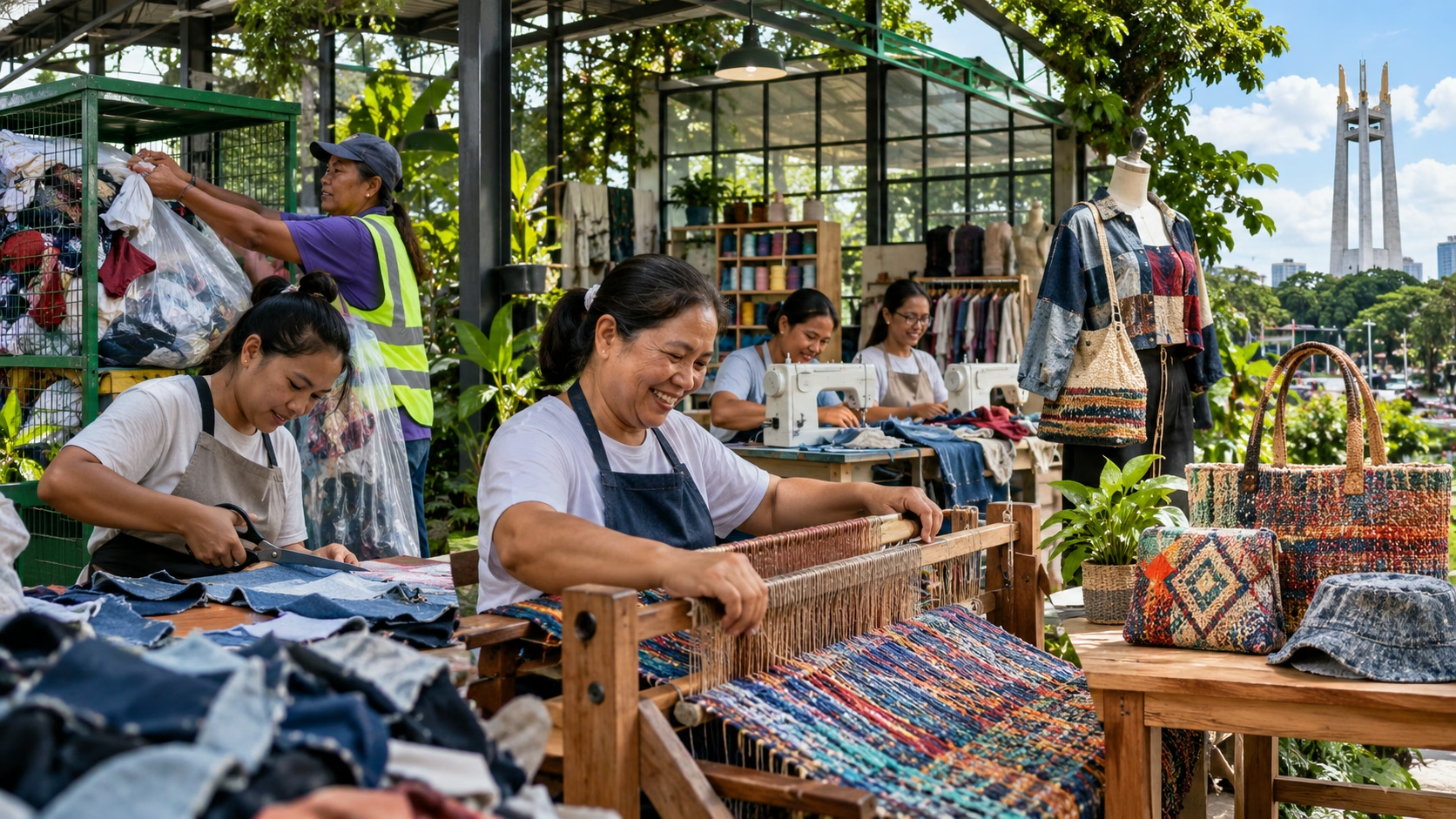
Policy and production set the boundaries, but the circular economy ultimately depends on consumer behavior. In the Philippines, a quiet…
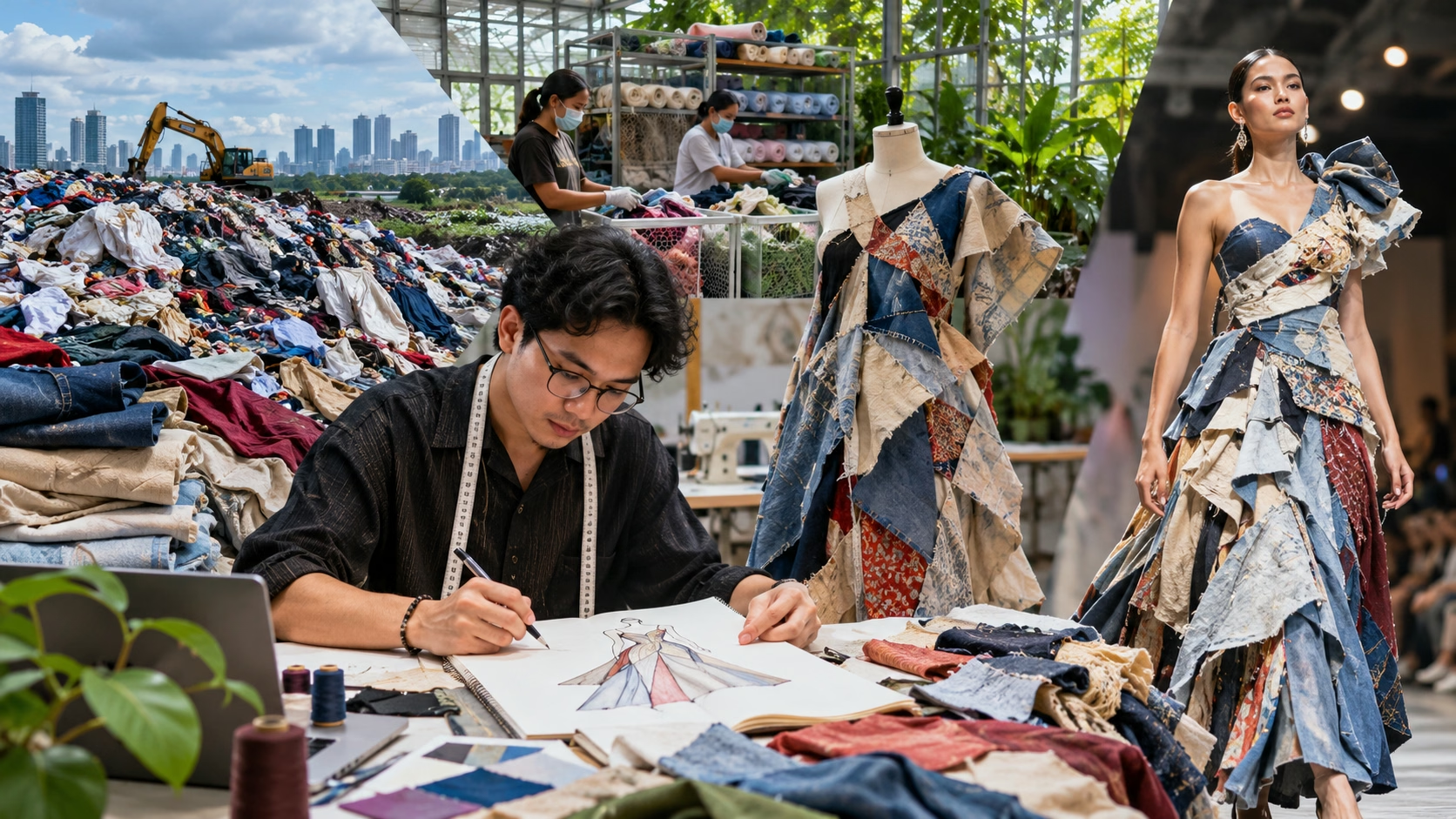
The Scarcity Advantage of Deadstock In conventional fashion, scarcity is manufactured through marketing: limited drops, numbered editions, and artificial shortages.…
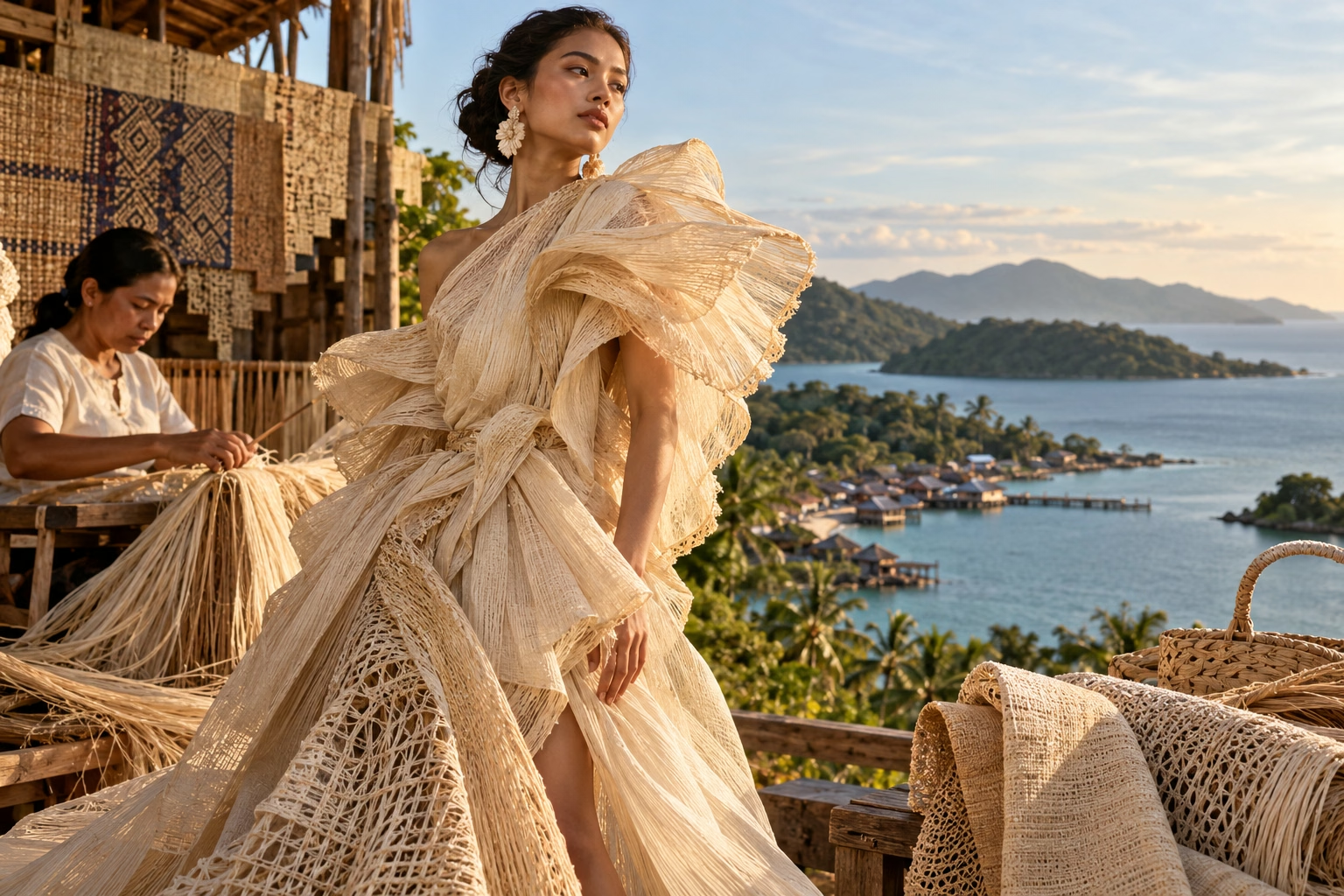
While legislation and couture runways provide the framework, the true engine of the Philippine Tropical Fabric revolution is a cohort…
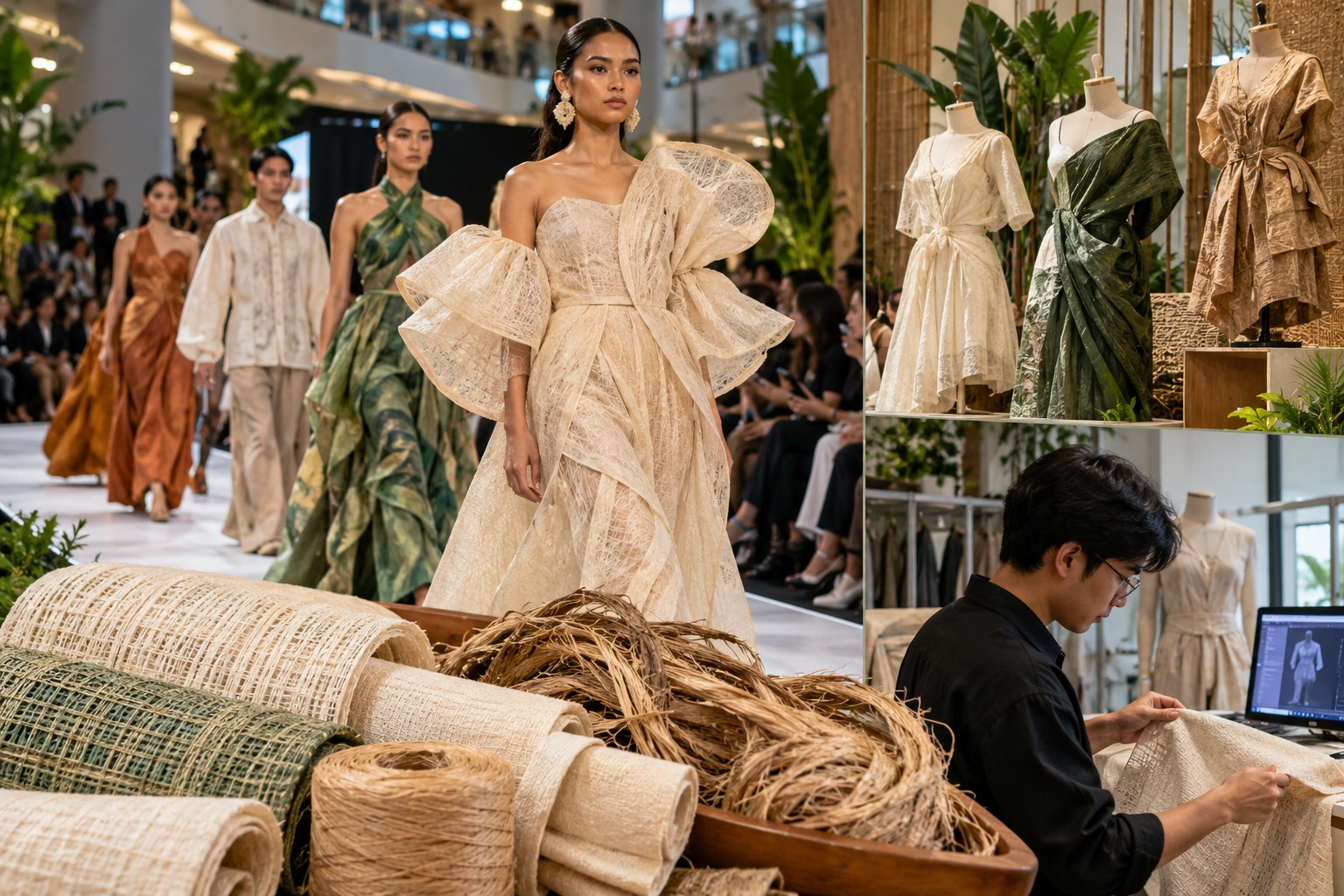
Fashion weeks are usually judged by silhouettes, styling, and front-row wattage. MNL Fashion Week 2026 offered a quieter but potentially…
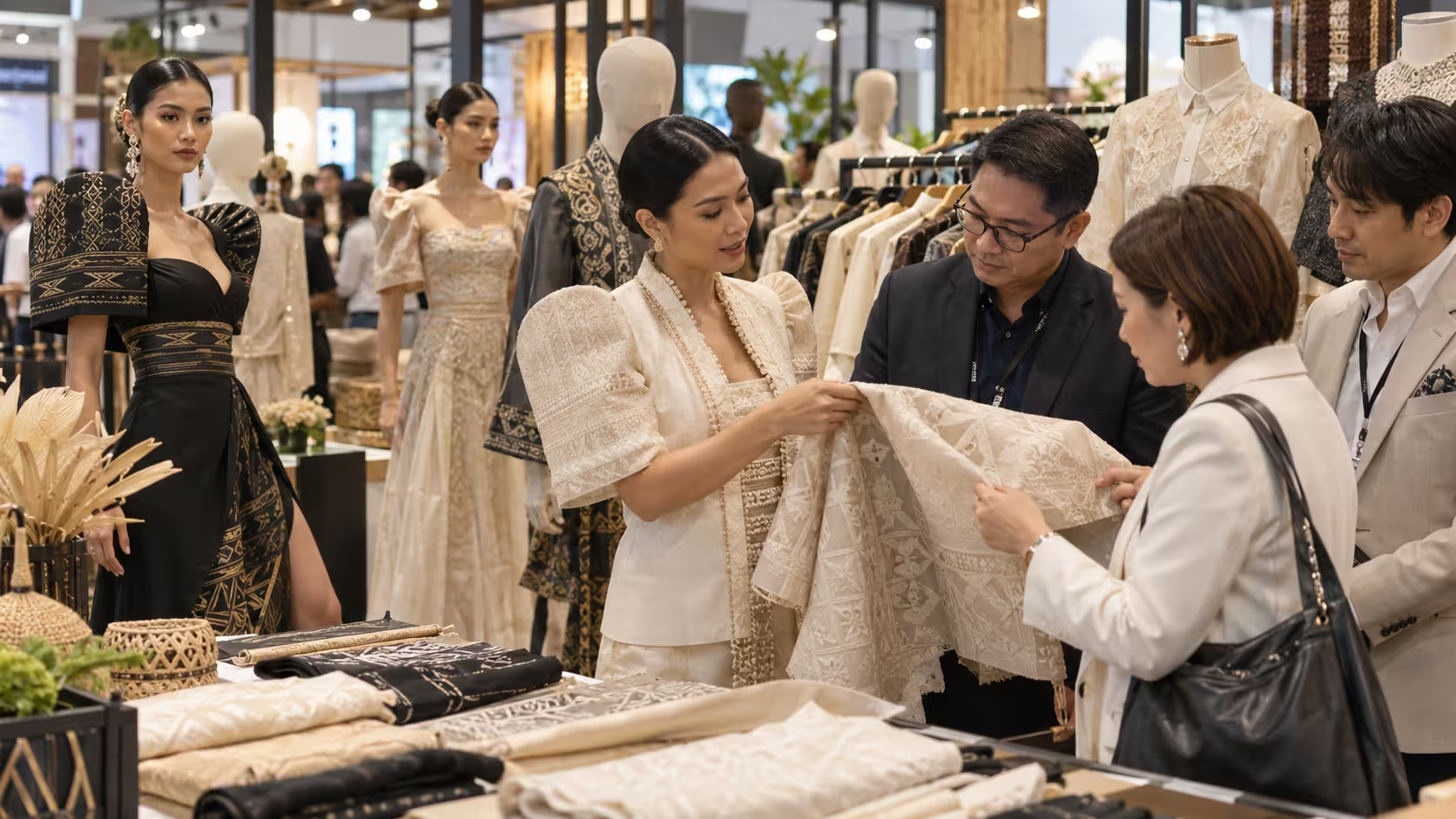
When the Personal Becomes the Runway The most striking collections to emerge from Manila Fashion Week 2026 were not built…
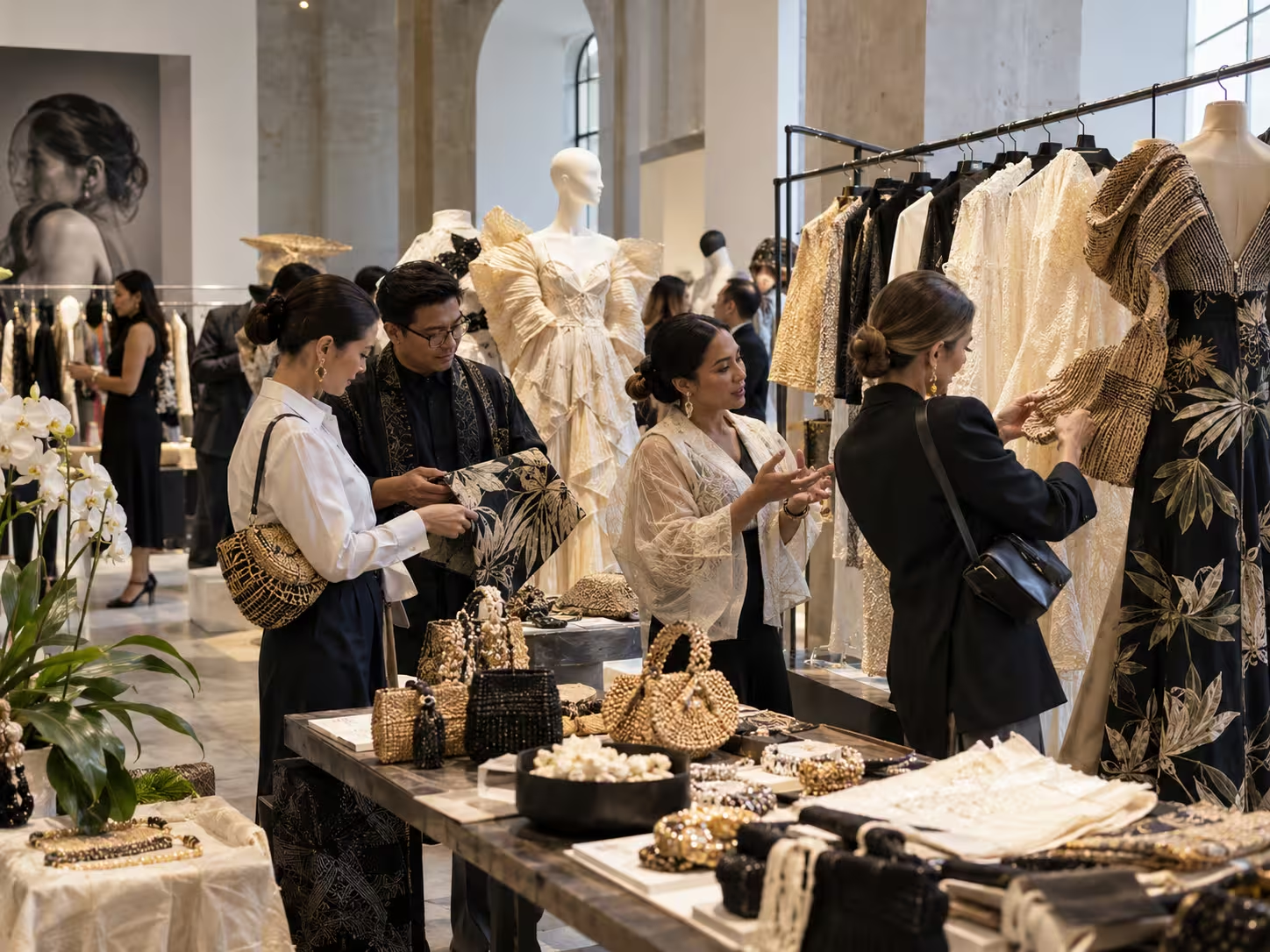
The New Vanguard of Filipino Design The second edition of FASHIONPhilippines Milan has unveiled its roster of 12 brands set…
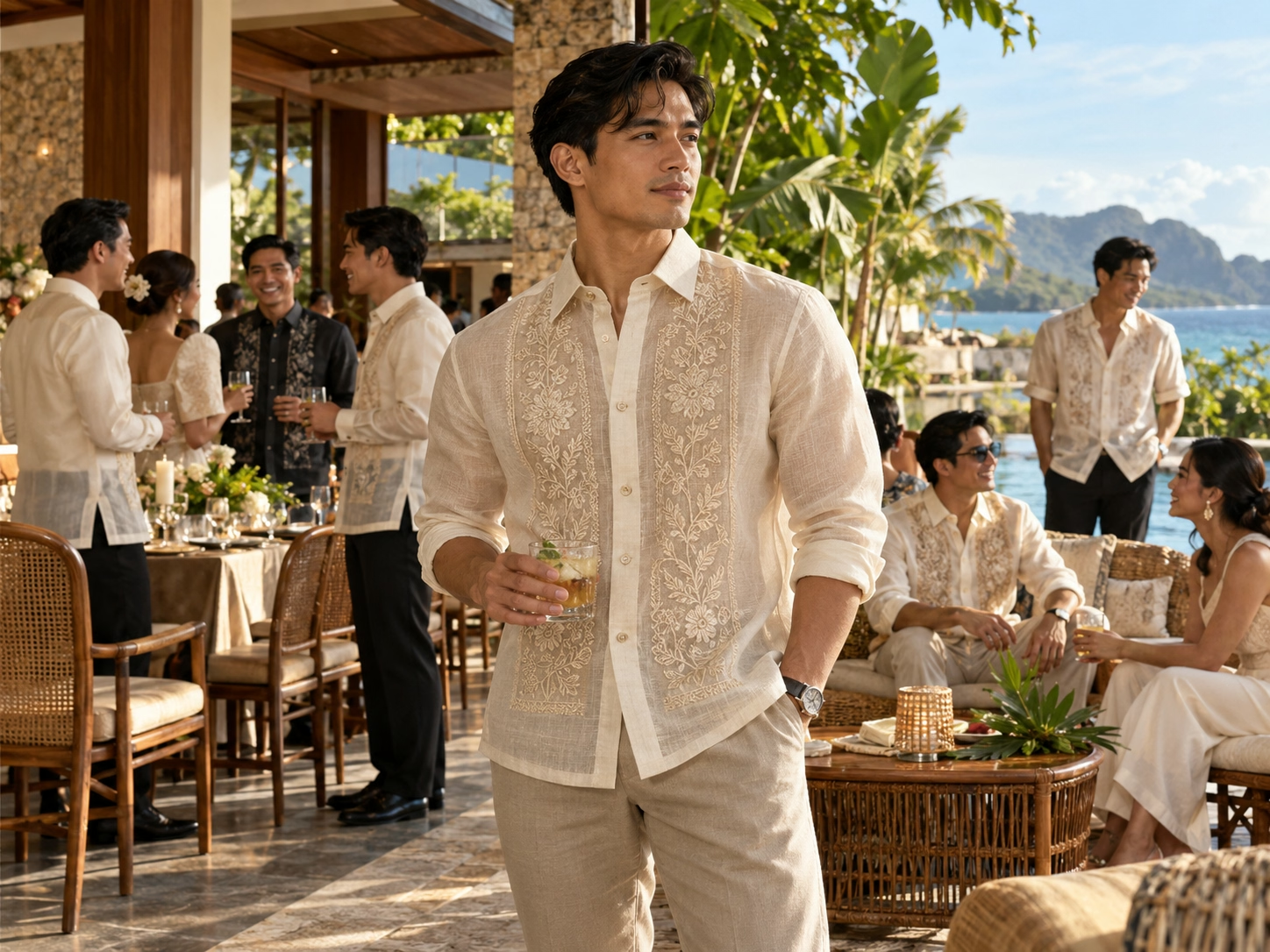
For generations, the Terno—with its iconic butterfly sleeves—was reserved for weddings, national celebrations, and state functions. In 2026, however, the…
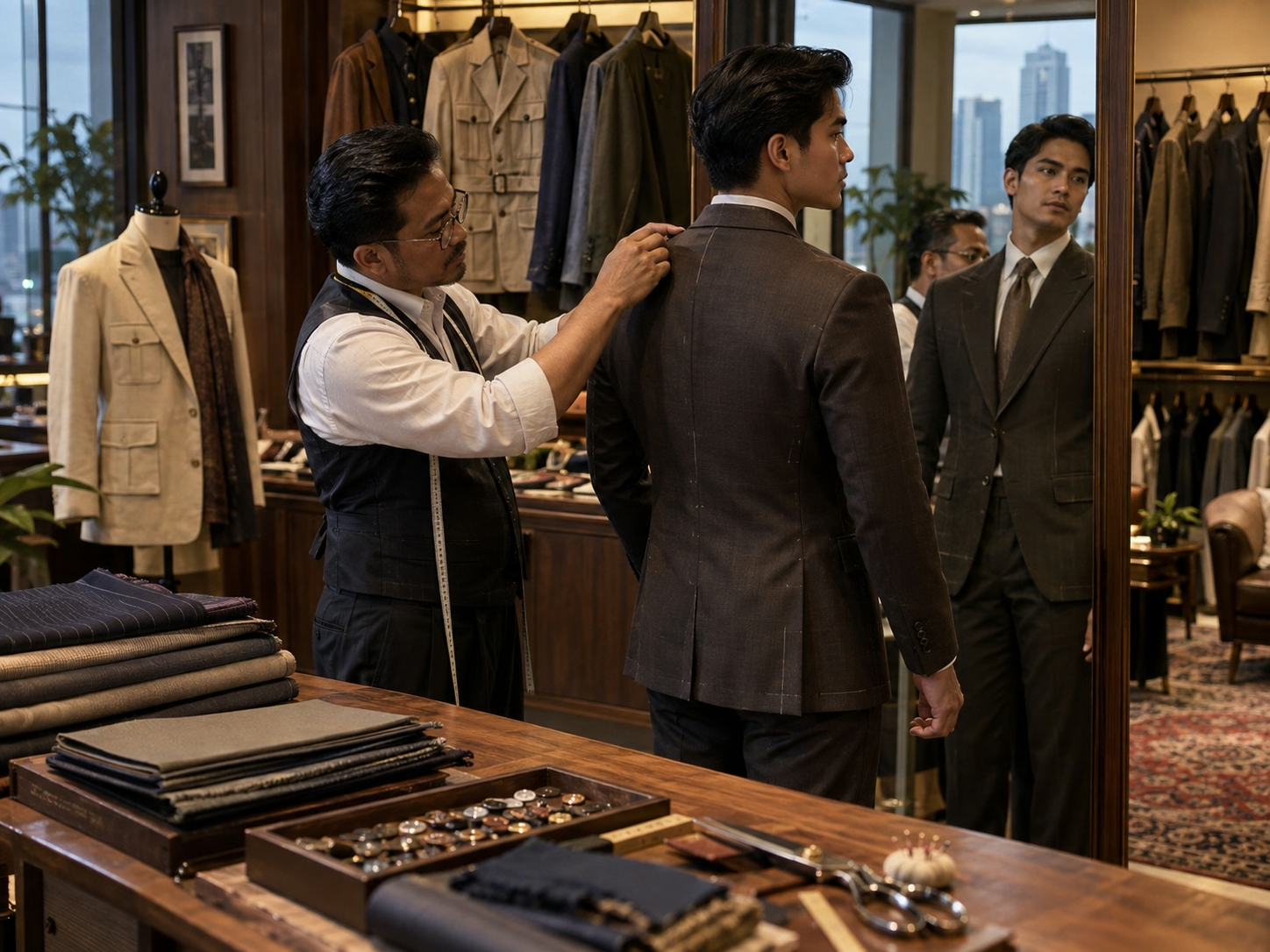
The Streets Are Speaking Filipino Filipino streetwear is no longer a niche subculture. In 2026, it is a global conversation—and…
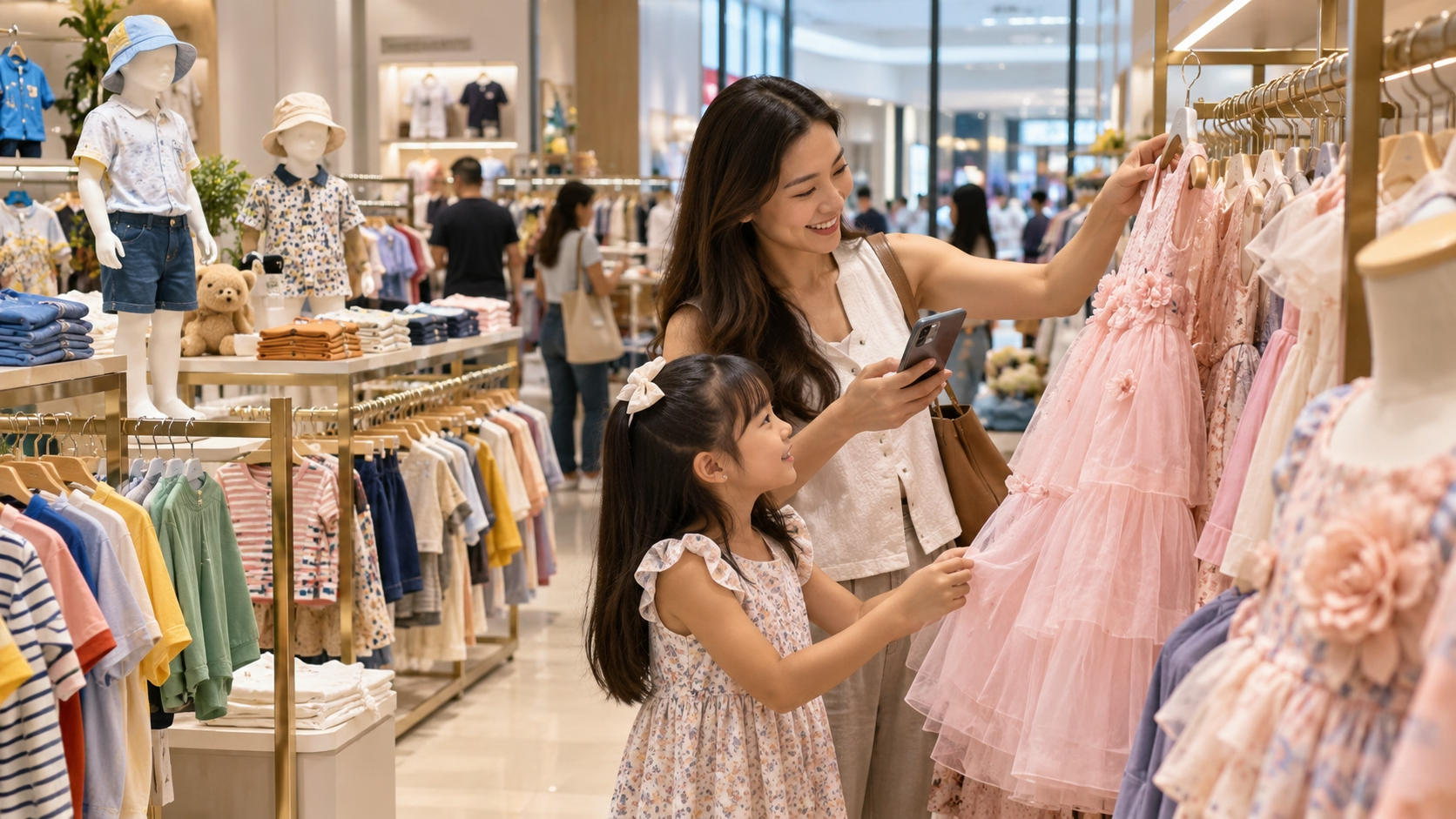
A Values-Driven Shift Filipino parents are increasingly weighing sustainability alongside affordability when purchasing children’s clothing, creating a complex consumer landscape…
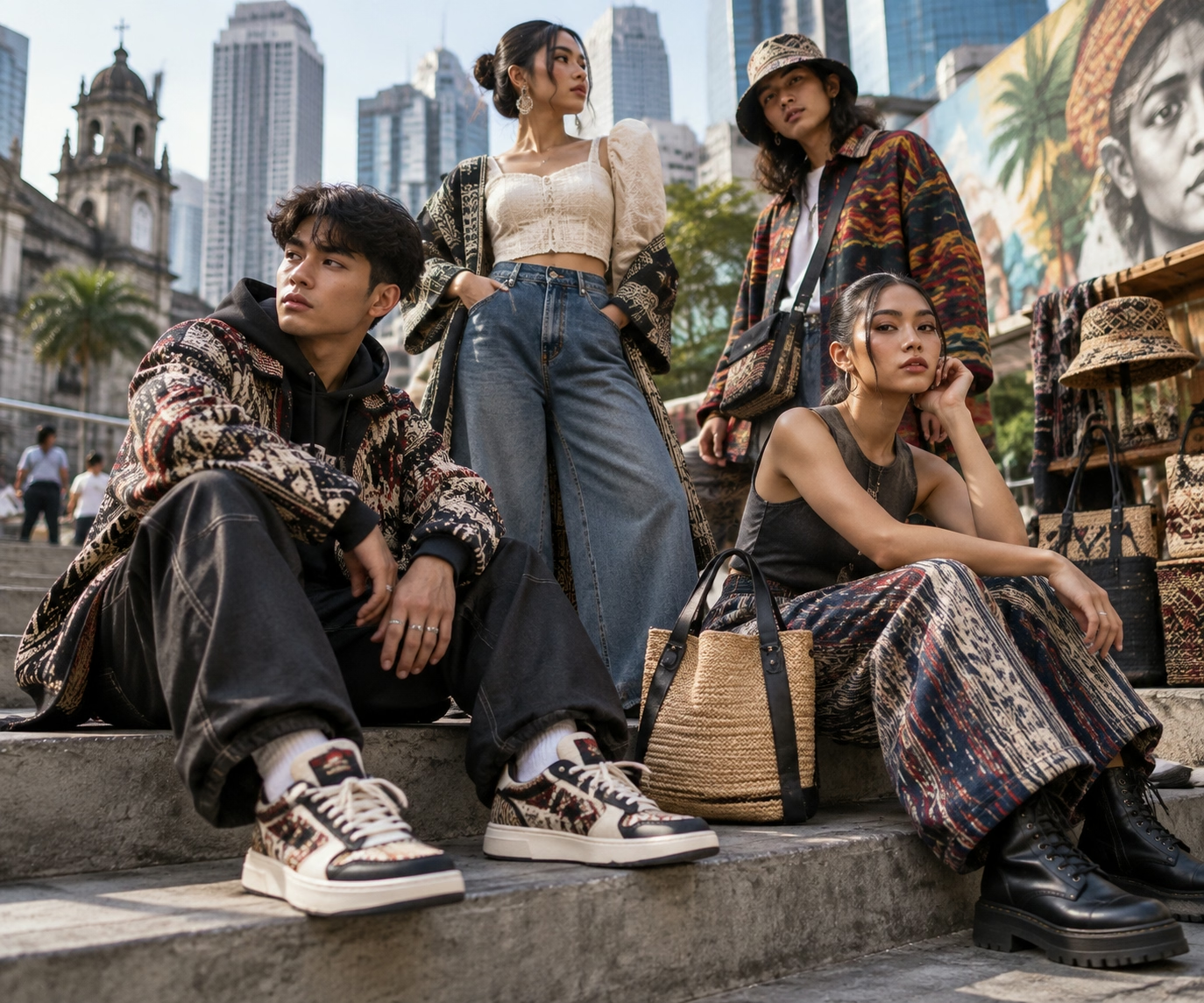
In 2026, the Philippine fashion scene is witnessing more than just a stylistic shift; it is experiencing a cultural renaissance.…