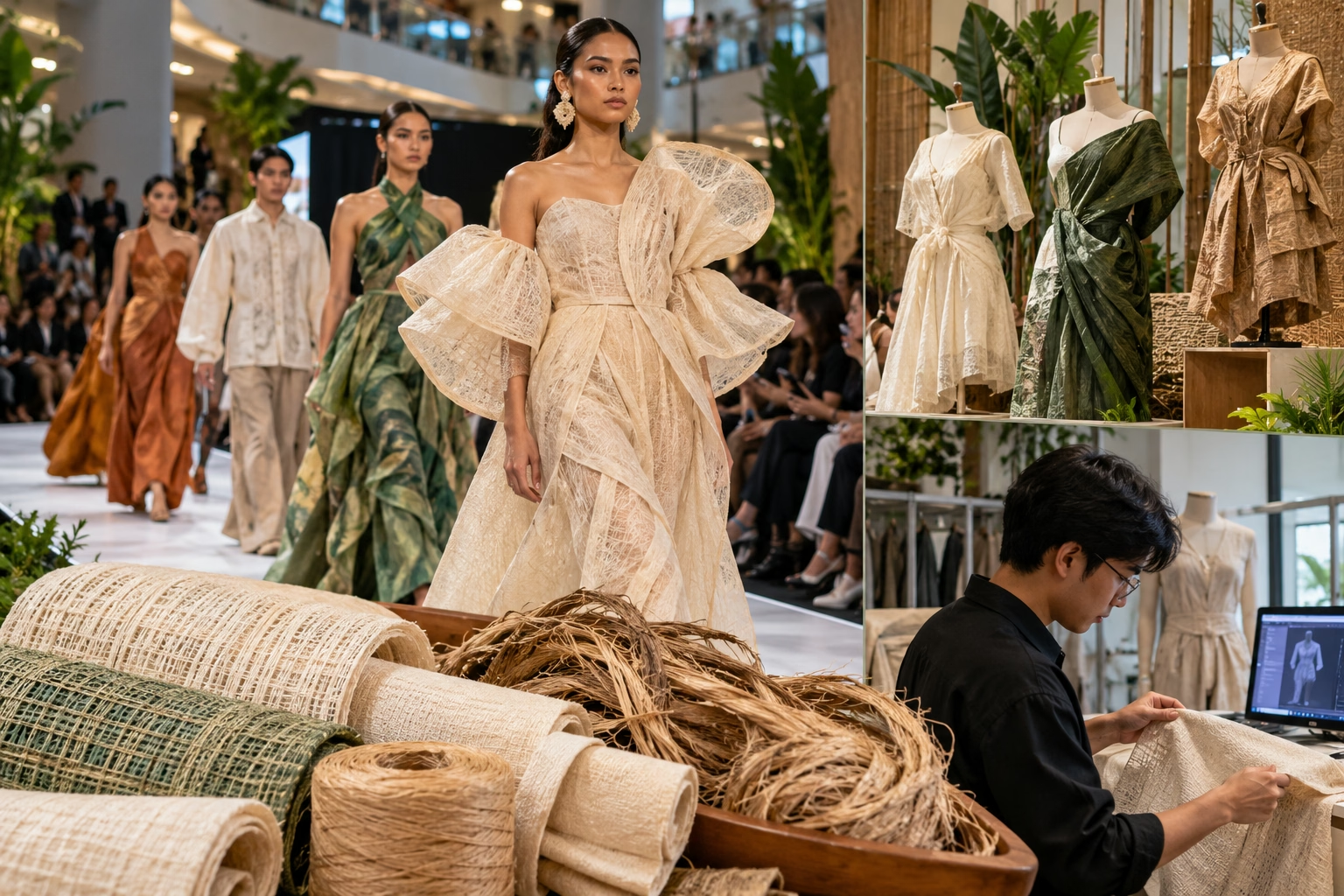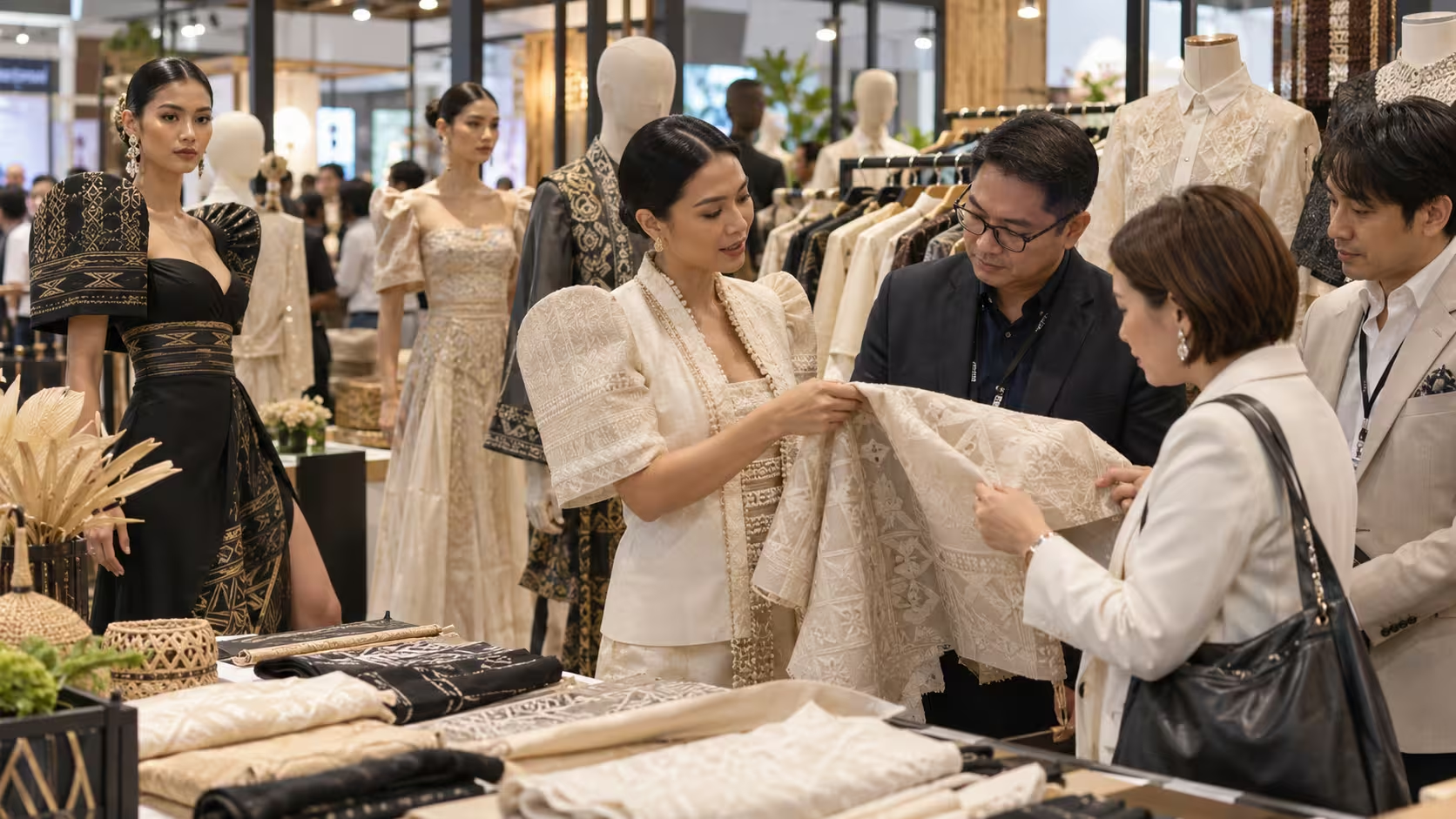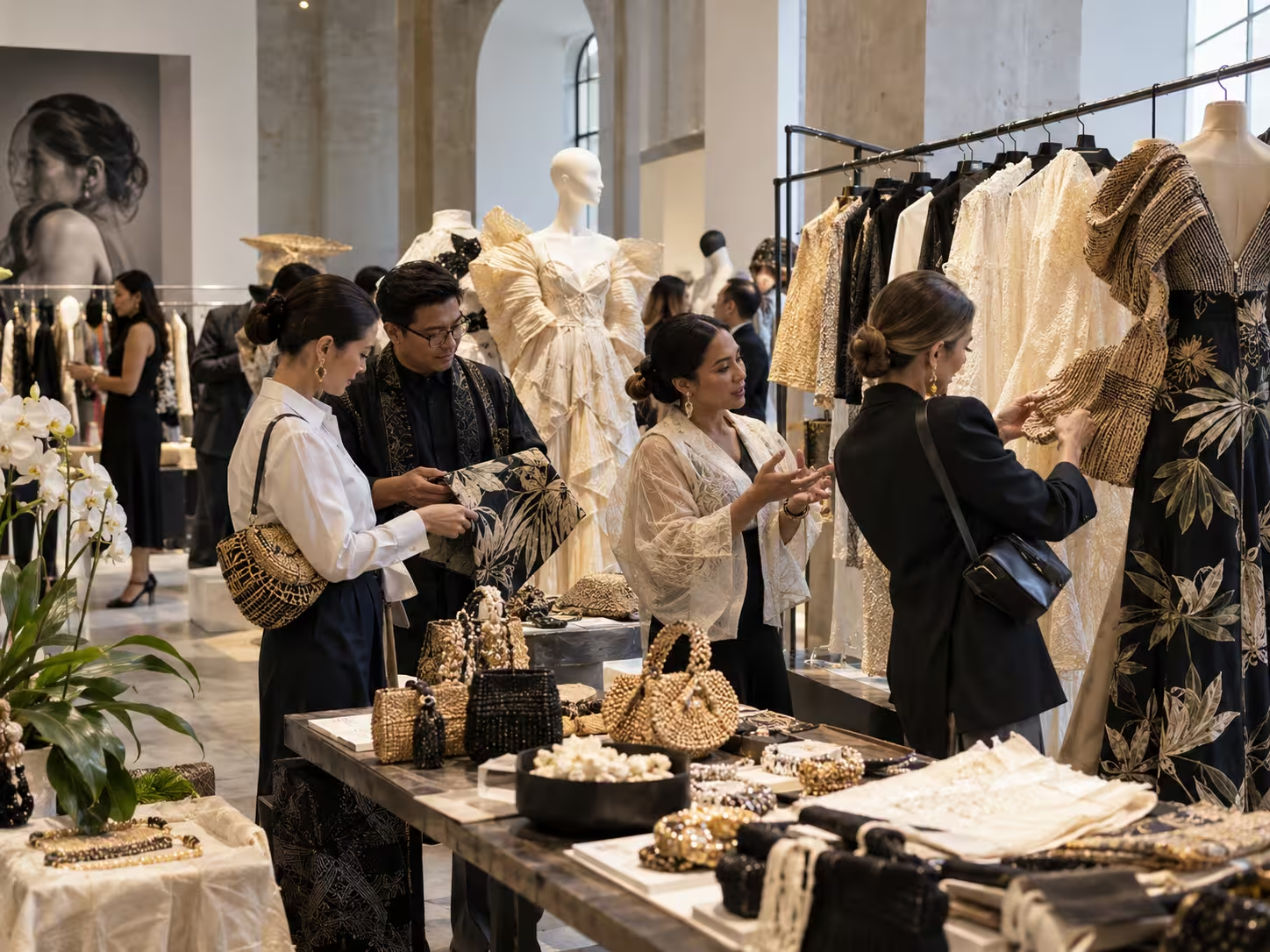
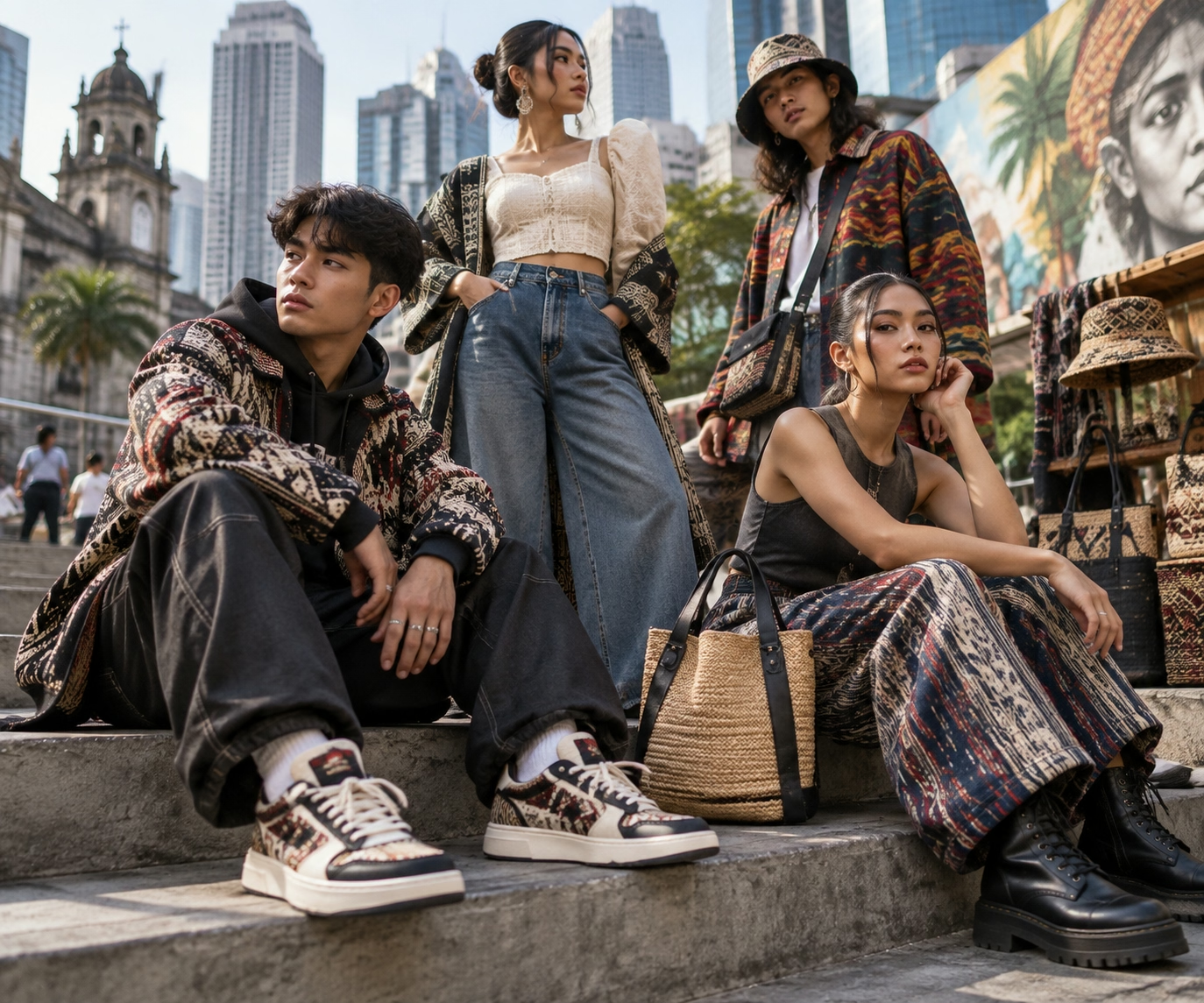
In 2026, the Philippine fashion scene is witnessing more than just a stylistic shift; it is experiencing a cultural renaissance. Designers and consumers alike are moving beyond the visual appeal of indigenous textiles to understand the profound cultural narratives embedded within them. This year, the focus is on cultural integrity and ensuring that the communities who own these traditions are the primary storytellers and beneficiaries of their global popularity.
The Storytellers of the South: T’nalak Weaving
Perhaps the most prominent example of this is the T’nalak fabric of the T’boli people in Lake Sebu, South Cotabato. The process of creating T’nalak is deeply spiritual. Weavers, known as “Dreamweavers,” receive patterns in their dreams, believed to be gifts from Fu Dalu, the spirit of the abaca. In 2026, we are seeing a strict movement towards “Cultural IP (Intellectual Property)” rights. Fashion brands collaborating with T’boli communities are now required to credit not just the region, but the specific collective and often the individual weaver. This has led to a higher valuation of the fabric, shifting the power dynamic back to the artisans. The patterns, which represent the flora, fauna, and cosmology of the T’boli world, are being preserved in their authentic form rather than being altered to suit Western tastes.
The Geometry of the North: Kalinga and Ifugao
Contrasting the flowing, nature-inspired imagery of the South, the textiles of the Northern Luzon highlands feature sharp geometry and bold colors. The Kalinga backstrap weaving tradition, traditionally used for the “kain” (wrap skirt), is being interpreted into modern outerwear. In 2026, consumers are interested in the symbolism—the red beads signifying bravery, the intricate patterns representing the rice terraces and the mountain ranges. Wearing these pieces is seen as an act of respect and support for the indigenous communities who have fiercely protected their ancestral lands and traditions. Designers are working under “Fair Trade” principles, ensuring that royalties are paid for the use of these cultural motifs.
The Versatility of the South: Hablon and Pina
Beyond the ethnic minority groups, the broader lowland weaving traditions are also getting a nuanced revamp. Hablon from Iloilo and Argao, typically used for table runners and simple dresses, is being elevated into statement bags and footwear. The “Habol Ilonggo” movement has spurred local designers to experiment with mixed media, combining Hablon with leather and metal hardware to create products that appeal to the urban commuter and the style-conscious traveler. The narrative here is one of pride in “localism”—choosing a locally woven fabric over an imported luxury brand as a symbol of national pride and support for the local economy.
The Gender Dimension in Weaving
An interesting angle dominating discussions in 2026 is the matriarchal nature of Philippine weaving. In many indigenous cultures, the loom is a symbol of women’s power and economic independence. The revival of these crafts has led to a significant empowerment of women in rural areas. They are now the CEOs of cooperatives, negotiating with international buyers and managing substantial incomes. This socio-economic aspect has made Philippine textiles a favorite topic for global publications focusing on women’s economic equity in Southeast Asia.
Data regarding the socioeconomic impact and the protection of indigenous rights in relation to commerce can be accessed through the National Commission for Culture and the Arts (NCCA): https://ncca.gov.ph/