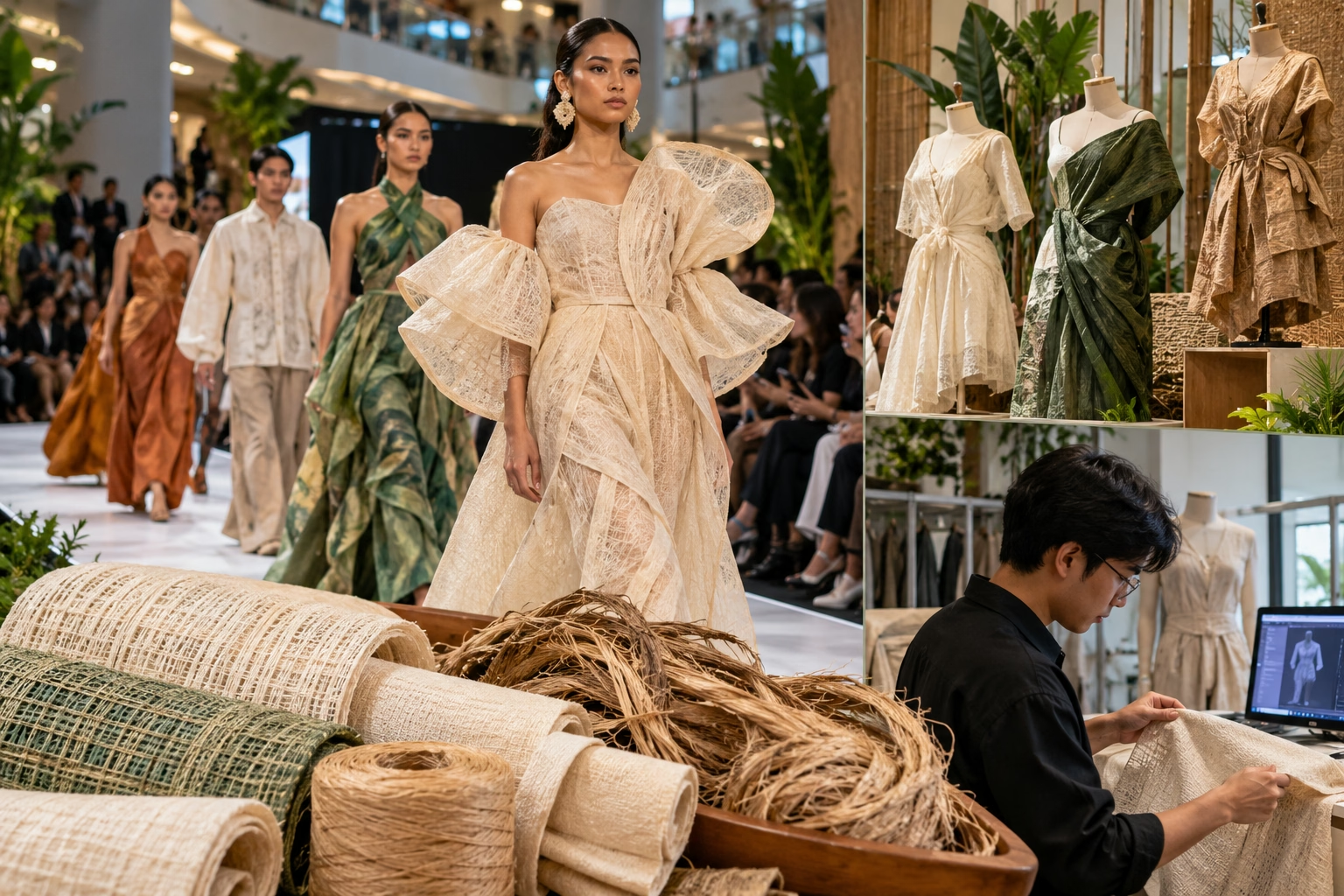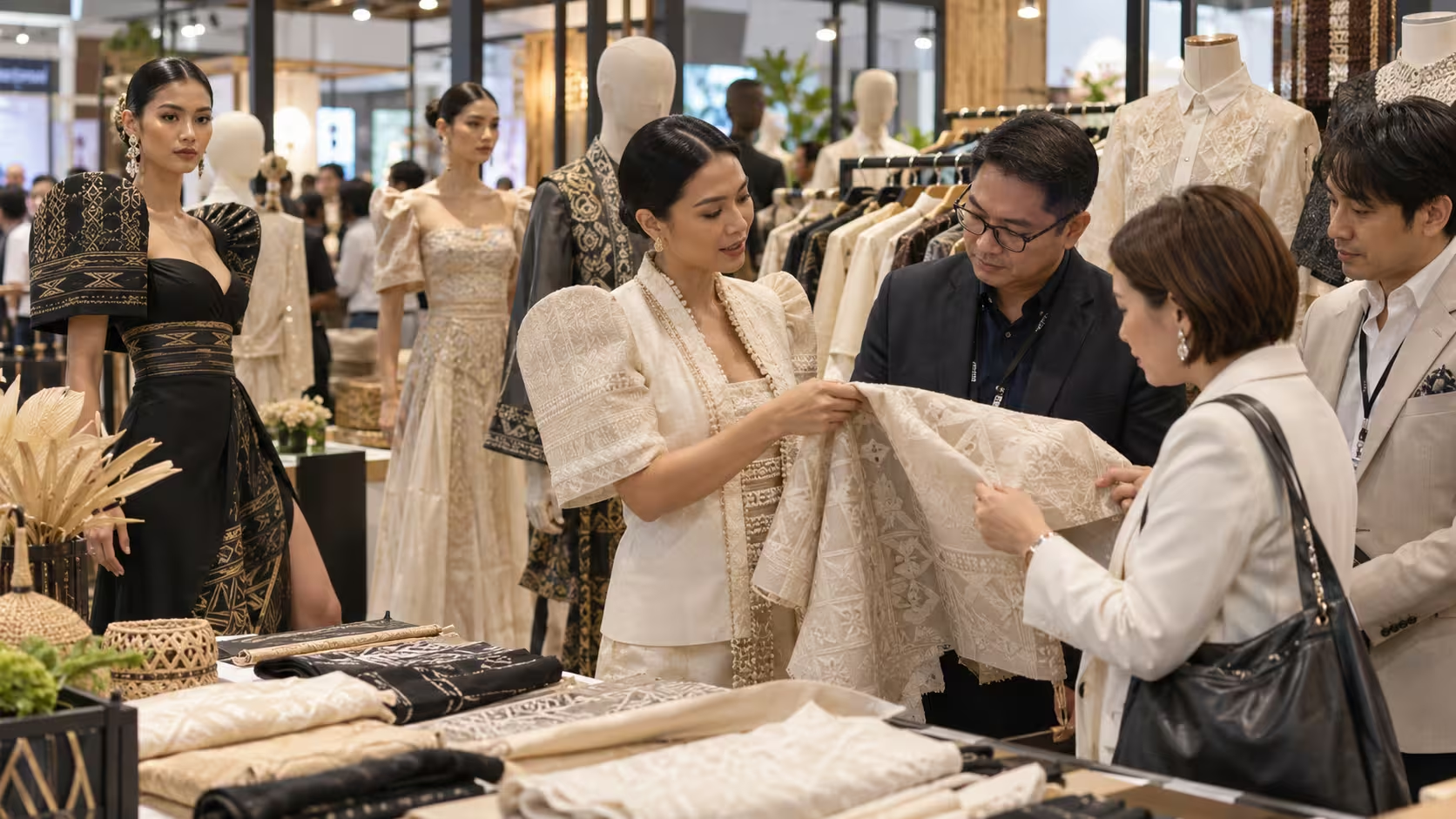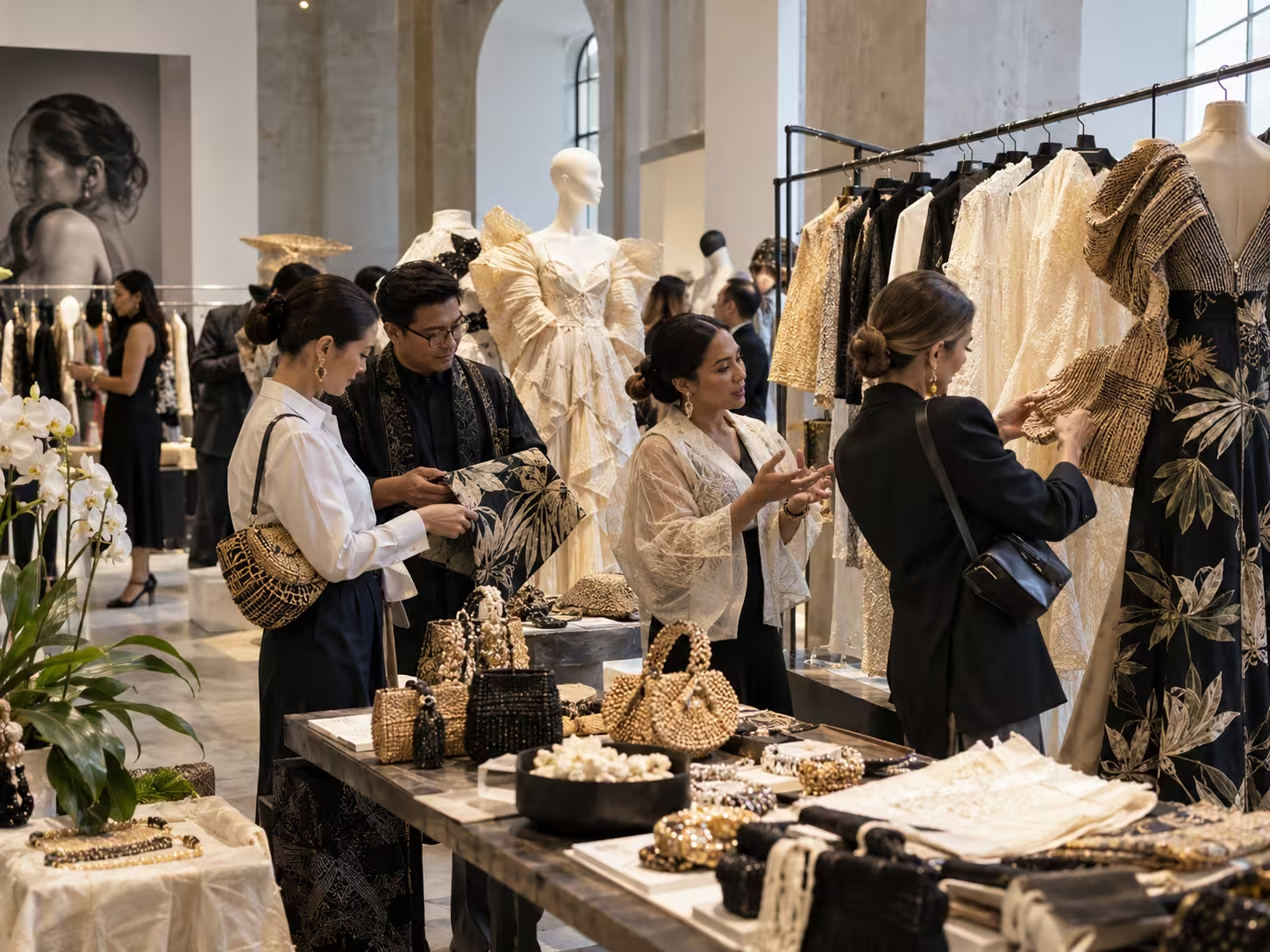

While legislation and couture runways provide the framework, the true engine of the Philippine Tropical Fabric revolution is a cohort of designers and technologists who are experimenting at the intersection of heritage and innovation. The theme of the 2026 Philippine Tropical Fabrics Month, “Stitching Futures,” perfectly captures this zeitgeist. It is a movement that honors the ancestral loom while embracing the possibilities of modern material science, resulting in a new class of premium fabrics that are deeply rooted in place yet forward-looking in their application.
The Designer as Alchemist: From Hablon to High-Tech
Veteran designer Jaki Peñalosa, with 35 years of experience, exemplifies the movement’s soul. Her work with Hablon, piña, abaca, and silk is driven by a simple, powerful mantra: “Beauty is in our fabrics.” For Peñalosa, using these materials is both an aesthetic and an advocacy. Her couture pieces are not just garments; they are vehicles for supporting the entire ecosystem of weavers, farmers, and communities that keep these traditions alive. This ethical dimension is a core component of the new premium identity—consumers are increasingly drawn to products with a transparent, positive social impact. But the innovation goes beyond individual designers. The DOST-PTRI’s “Bagong Habi: Salinlahi” initiative has introduced fabrics made from previously untapped sources like water hyacinth, saluyot, and maguey, all dyed using natural plant sources. These are not crude experiments; they are enzyme-treated to eliminate itchiness, have a softer drape, and can be easily adapted to modern designs, proving that sustainability and comfort are not mutually exclusive.
Building a Culture of Material Innovation
The next frontier is the integration of technology to solve the limitations of natural fibers. Designers like Avel Bacudio are developing proprietary materials like “piñavel,” an artisanal blend of pineapple, banana, bamboo, and abaca fibers created in partnership with DOST-PTRI. This is not just about creating a new fabric; it is about creating a new intellectual property for Filipino fashion. Similarly, brands like Tela Tropika are positioning themselves as “Eco-Tech Fashion Pioneers,” using pineapple leaf and abaca fibers to create garments that “define the future of ethical fashion” through advanced manufacturing. This wave of innovation is crucial. It moves the narrative from one of preservation to one of creation. The ancestral loom provides the foundational knowledge, but the future of premium Philippine Tropical Fabrics will be written in the laboratory, the design studio, and the tech-enabled production floor, creating a product that is unique, sustainable, and undeniably modern. The DOST-PTRI’s official site at https://ptri.dost.gov.ph/ provides ongoing updates on these material-innovation programs.