The Streets Are Speaking Filipino
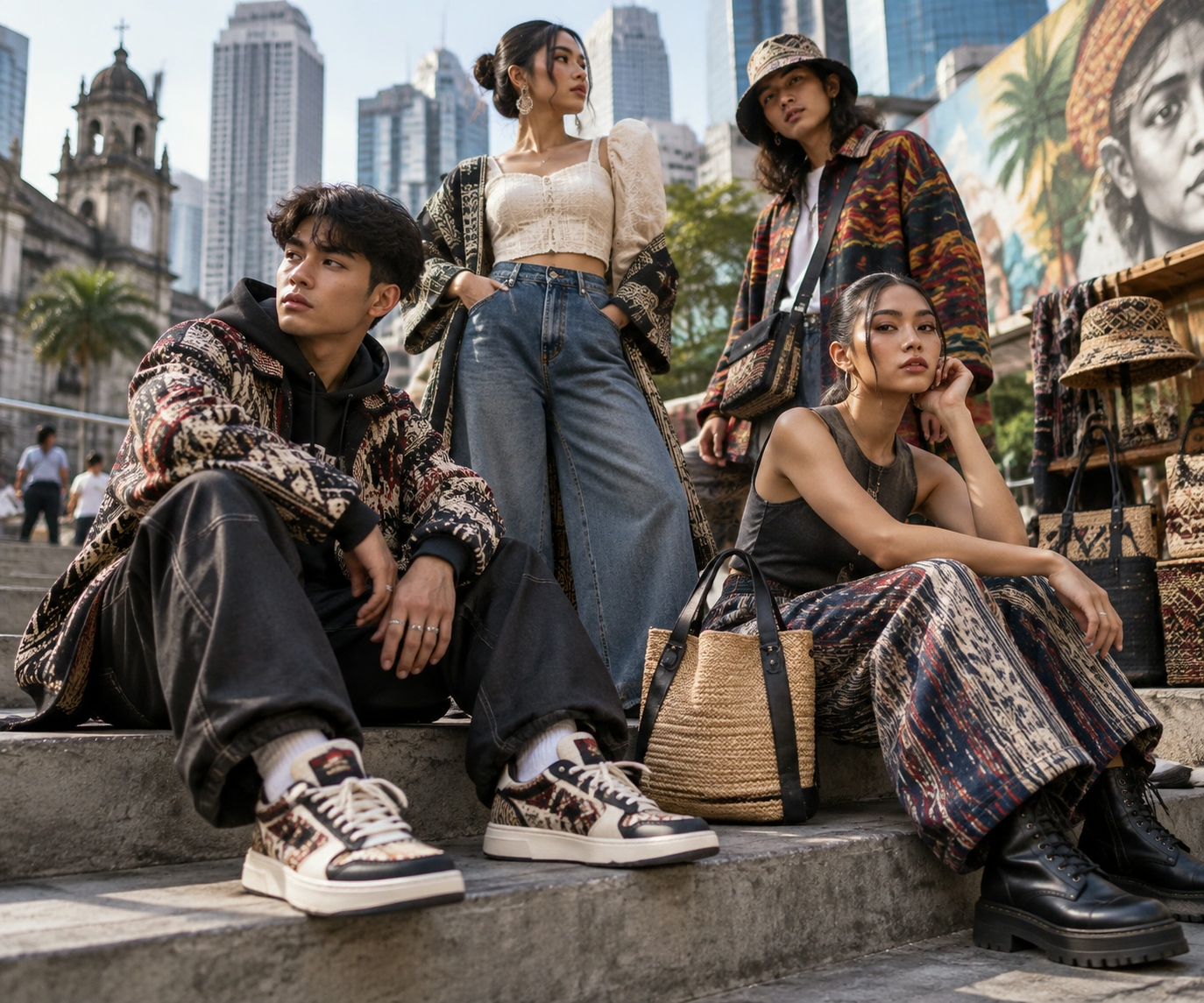
Filipino streetwear is no longer a niche subculture. In 2026, it is a global conversation—and men’s casual fashion is at the center of it. The defining characteristic of this moment is not just commercial success, but cultural confidence: brands are drawing from Filipino heritage, regional traditions, and diaspora experiences without apology.
The most significant collaboration of the year arrived in August 2026, when PENSHOPPE launched its Designer Lab platform with ABAKADA as its first partner. ABAKADA, a Chicago-based Filipino streetwear label founded in 2018 by Arvin Boyon and Calvin Calma, built its design language around Filipino heritage and the Filipino-American experience. The 23-piece limited collection, which arrived in Manila in October 2026, fused sportswear silhouettes with cultural references that felt rooted in urban streets rather than museum nostalgia.
Budots, Denim, and the Sound of the Streets
Meanwhile, OXGN took a different but equally Filipino approach. Its 2026 campaign, “The Final Round,” drew inspiration from budots—the high-energy electronic dance music genre that originated in Davao—and translated its chaotic, joyful energy into streetwear. The collection includes a denim jacket with metal hardware and boxy denim pieces, with prices starting at PHP 899. By collaborating with SGAMO and Jarreau Vandal, OXGN positioned Filipino street culture not as a local curiosity but as a legitimate contributor to global street style.
A Market Ready for Independence
This creative flourishing is supported by a market that increasingly rewards authenticity. The Philippines clothing market is expected to reach USD 17.55 billion by 2035, growing at 7% annually. While international fast-fashion brands dominate volume, local streetwear labels are capturing a demographic that values storytelling and community over mass production.
Designers like Swash Originals, Dell Morales, and Milkwear are also pushing boundaries. At Orchard Road Fashion Week in September 2026, they presented collections informed by their respective worlds—demonstrating that Filipino streetwear is not a monolith but a diverse ecosystem of voices.
What This Means for the Filipino Man
For the average Filipino man, the streetwear moment offers permission to dress with cultural specificity. A graphic tee referencing pre-colonial script, a denim jacket cut for tropical humidity, a pair of relaxed trousers inspired by military surplus—these are not costumes. They are everyday garments that carry meaning.
The casual end of the Filipino menswear spectrum is no longer defined by what global brands dictate. It is defined by what Filipino designers and consumers choose to say about who they are.