Fashion events in the Philippines have grown into central pillars of the country’s creative and commercial fashion sectors. They function as vibrant hubs where designers, models, and industry professionals converge to display talent, exchange ideas, and stimulate the local fashion economy. Beyond showcasing clothing, these events foster innovation, cultural pride, and professional development.
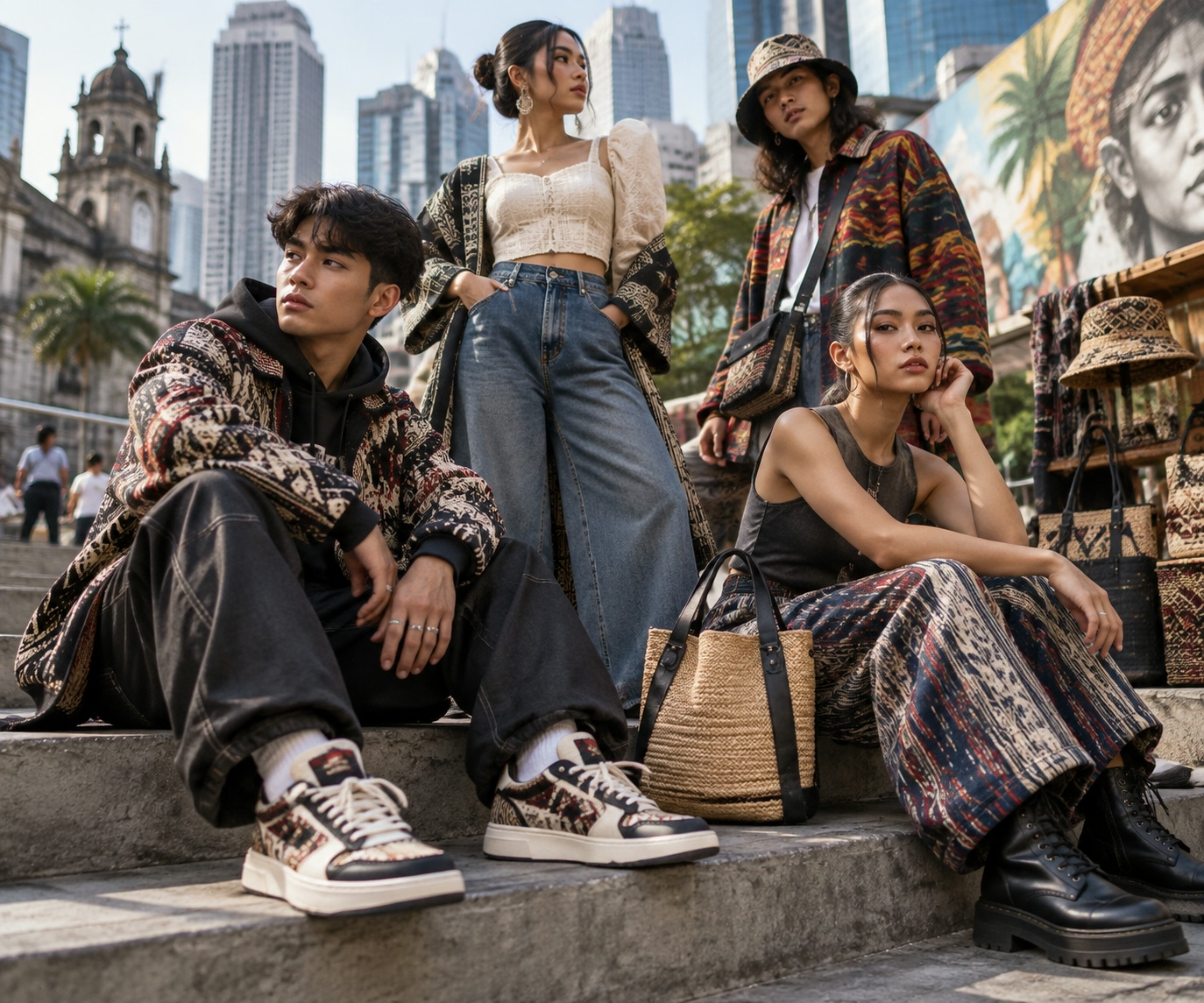
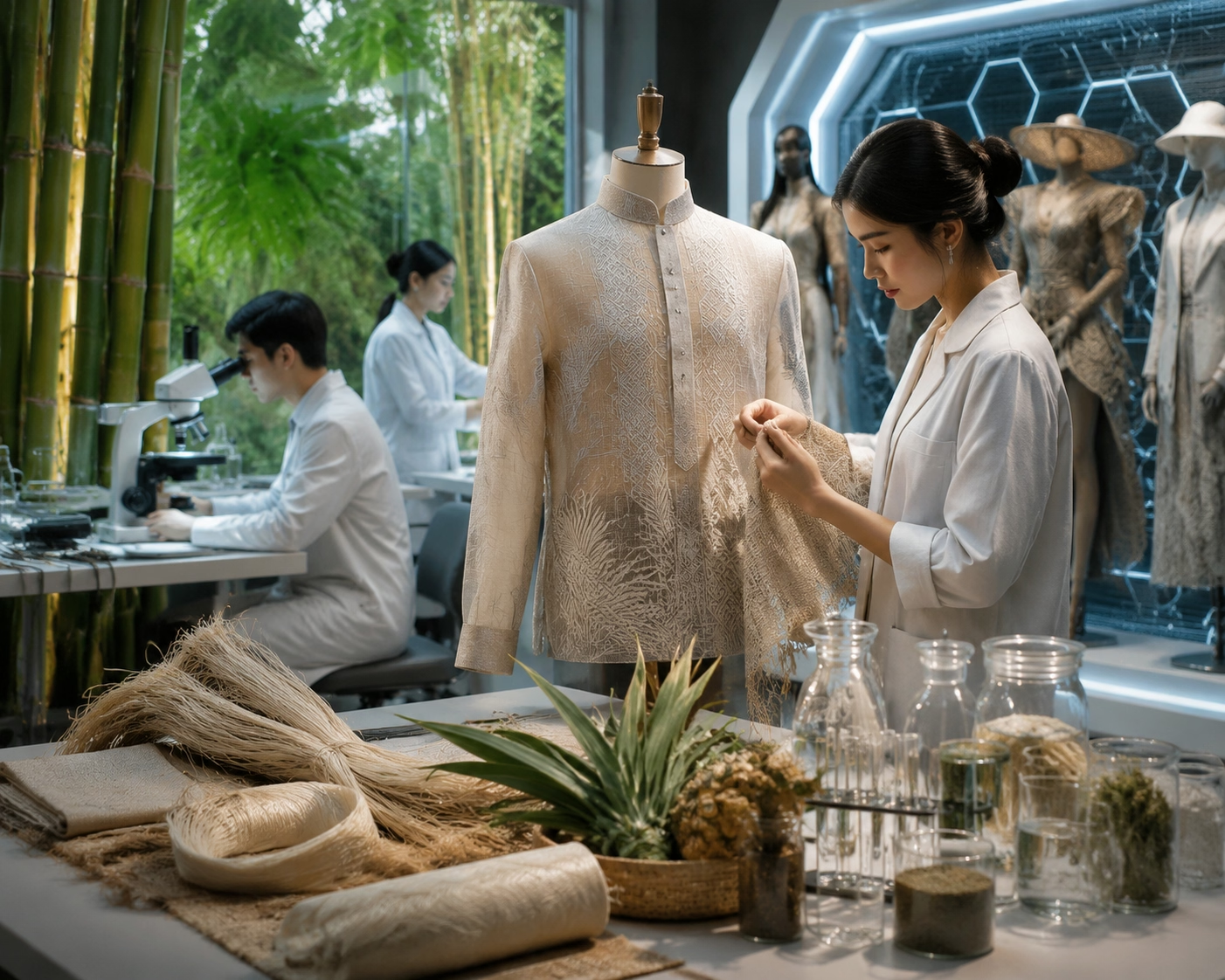
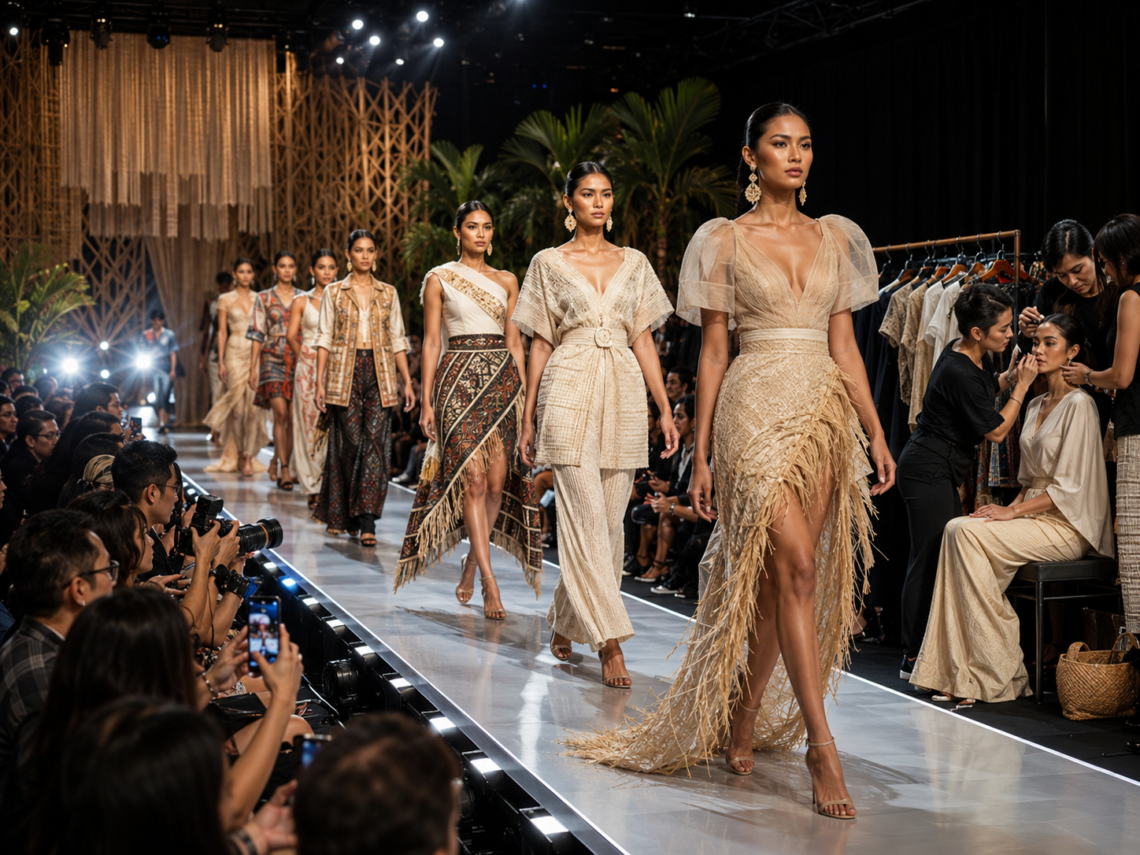
One significant function of fashion shows is to spotlight emerging designers. Platforms like Philippine Fashion Week enable local designers to present collections to industry leaders, buyers, and media, enhancing their visibility. Many Filipino designers incorporate traditional fabrics such as abaca, piña, and handwoven textiles into contemporary designs, creating a unique aesthetic that distinguishes Philippine fashion in international arenas. This synthesis of heritage and modernity has positioned the Philippines as a creative force in global fashion.
Fashion events also provide opportunities for models, makeup artists, stylists, and photographers. Young models gain crucial exposure, while stylists and makeup professionals showcase their artistic abilities. Photographers capture live moments that define the essence of each collection, helping to document trends and expand their portfolios. This ecosystem of creativity strengthens the industry and ensures that talent at all levels can flourish.
Beyond professional growth, fashion shows shape public perception and influence consumer trends. These events attract celebrities, influencers, and media attention, making them key moments for trend-setting. Audiences are introduced to new collections, design innovations, and seasonal styles, often influencing purchasing behavior and shaping street fashion across the country. The synergy between designers, media, and consumers highlights the cultural relevance of these events.
International exposure is another advantage for Filipino designers. Participation in recognized fashion shows increases opportunities for overseas collaboration and global market entry. Designers benefit from cultural exchange, learning from international trends while promoting Filipino craftsmanship abroad. This visibility strengthens the reputation of Philippine fashion and encourages designers to experiment with diverse techniques and materials.
The economic impact of fashion events is significant. Beyond ticket sales or sponsorships, these gatherings support jobs in event planning, venue management, marketing, and media production. Local businesses, including boutiques, fabric suppliers, and accessory makers, also experience increased demand through collaboration with designers. Fashion shows thus contribute to both the creative and economic vitality of the country.
Fashion shows increasingly serve as platforms for advocacy and awareness. Designers use their collections to promote sustainability, ethical production, and cultural preservation. Incorporating these themes not only elevates the artistry of fashion but also engages audiences in meaningful discussions about social and environmental responsibility.
Ultimately, fashion shows and events in the Philippines function as catalysts for innovation, economic activity, and cultural celebration. They foster talent, drive trends, and provide a global stage for Filipino creativity. By bridging artistry, commerce, and advocacy, these events remain indispensable to the growth and evolution of the Philippine fashion industry.