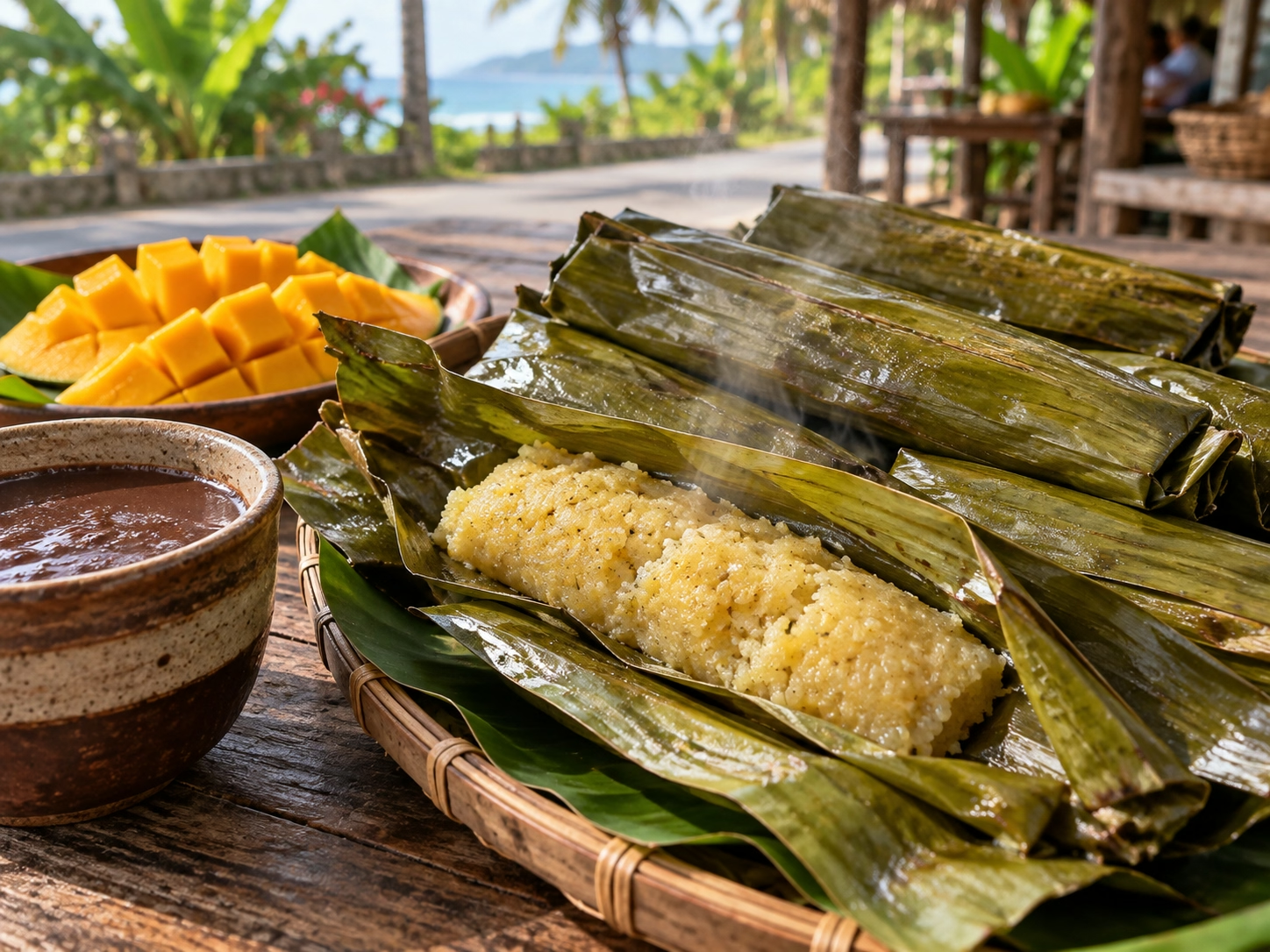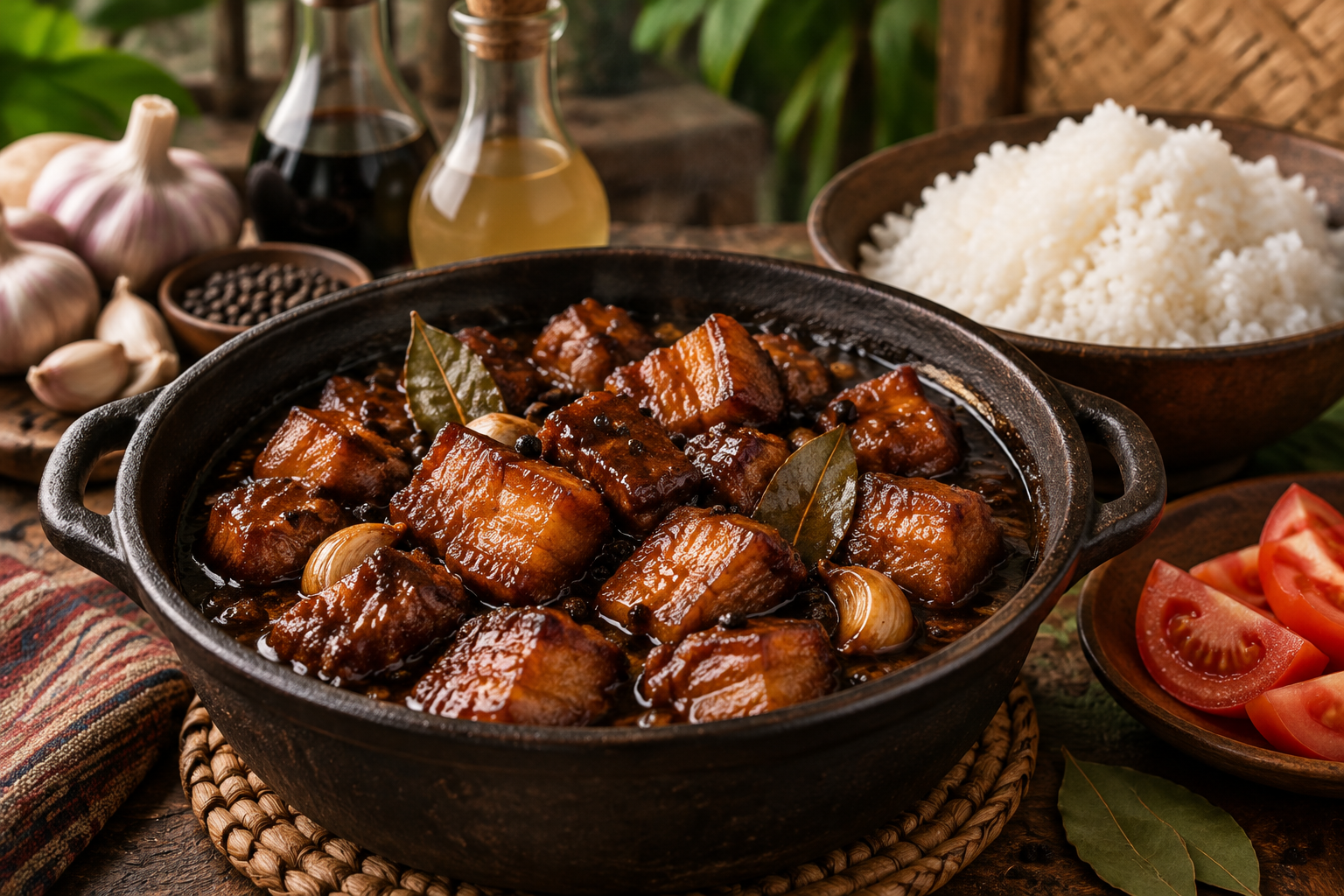

Filipino cuisine is a blend of flavors, textures, and ingredients, reflecting the country’s diverse cultural history. While Filipino food has long been admired for its hearty and savory dishes, there has been a recent shift toward making traditional meals healthier without sacrificing flavor. This evolution in Filipino food culture embraces the concept of “healthy eating,” which combines traditional ingredients with modern nutritional knowledge.
One of the key components of healthy Filipino cuisine is the emphasis on fresh and natural ingredients. Seafood such as fish and shellfish is often featured in Filipino dishes, providing a healthy source of protein, omega-3 fatty acids, and essential vitamins. For example, kinilaw, a Filipino dish similar to ceviche, features fresh fish marinated in vinegar, lime, and spices, offering a lean protein source with minimal added fat.
Vegetables also play a vital role in Filipino cuisine. Dishes such as laing (taro leaves cooked in coconut milk) or sinigang (sour soup) are rich in vegetables and offer a variety of health benefits. These vegetables are high in fiber, which aids in digestion and promotes heart health. Coconut milk, though high in fat, provides healthy medium-chain triglycerides (MCTs) that may help with weight management and provide a long-lasting energy boost.
The use of herbs and spices is another essential feature of Filipino cooking. Ingredients like garlic, ginger, and turmeric not only enhance the flavor of dishes but are also known for their medicinal properties. Garlic, for example, has antibacterial properties and is often linked to better cardiovascular health. Turmeric, on the other hand, contains curcumin, an active compound with anti-inflammatory and antioxidant effects.
Moreover, Filipino cuisine often utilizes cooking techniques like steaming, grilling, and boiling rather than deep-frying. These methods help preserve the nutrients in food and limit the intake of unhealthy fats. Grilled fish or chicken paired with a fresh vegetable salad is a perfect example of a nutritious Filipino meal that maintains the essence of traditional flavors while promoting better health.
By focusing on incorporating more fresh, whole ingredients into daily meals and practicing portion control, Filipino food can be a wholesome and nutritious choice for those seeking a balanced lifestyle.