The theater scene in the Philippines is a vibrant expression of the country’s diverse cultural heritage. From traditional performances to cutting-edge contemporary works, Filipino theater continues to evolve, reflecting the social, political, and cultural changes within the country. It’s a space where narratives are brought to life, offering both entertainment and a deeper understanding of Filipino identity.
Roots in Tradition and Colonial Influences
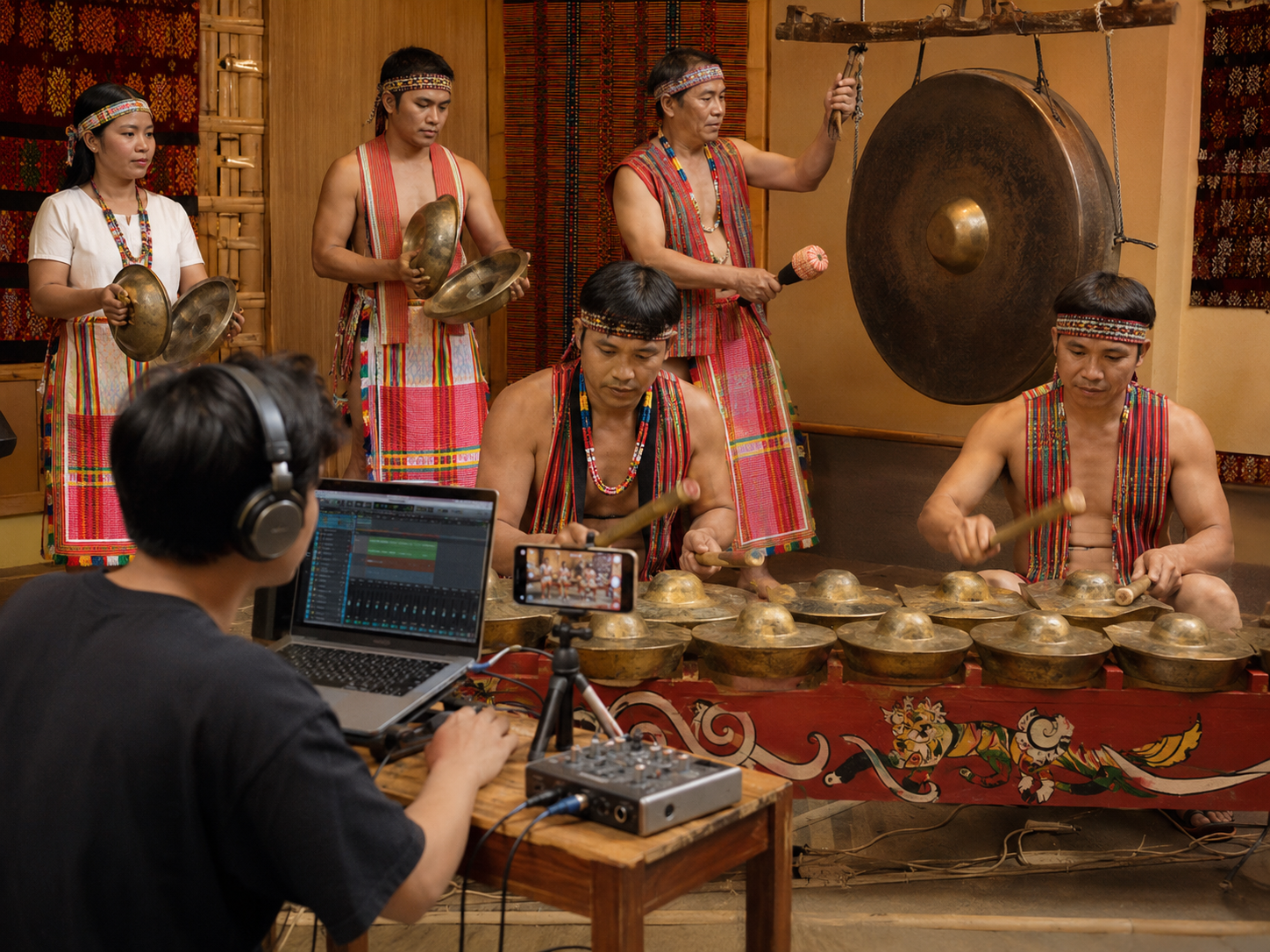
Filipino theater has its roots in indigenous traditions, where storytelling through music and dance played a central role in community life. However, over time, the Philippines was exposed to various influences, particularly from Spain and later the United States. Spanish colonization introduced religious plays and zarzuela, while American rule brought Western theater styles, such as vaudeville and musicals. Despite these external influences, Filipino theater managed to integrate local traditions, creating a hybridized form that retains a sense of national identity.
Noteworthy Theater Companies
Key players in the Philippine theater scene include Repertory Philippines, PETA, and Tanghalang Pilipino. Repertory Philippines is known for bringing international theater productions, such as Broadway musicals, to Filipino audiences, while PETA is acclaimed for its bold, socially conscious plays. Tanghalang Pilipino is particularly recognized for producing plays in the Filipino language, ensuring that local dialects and traditions remain at the core of its work.
The Power of Performance: Themes and Storytelling
Theater in the Philippines often tackles weighty themes such as political oppression, social inequality, and cultural identity. A prime example is “Sa Wakas,” a rock musical that explores the complexities of love and relationships, while reflecting on Filipino society’s struggles with family expectations and personal freedom. Theater companies continue to push boundaries, with plays addressing contemporary social issues, from gender equality to environmental concerns.
Theater as a Platform for Change
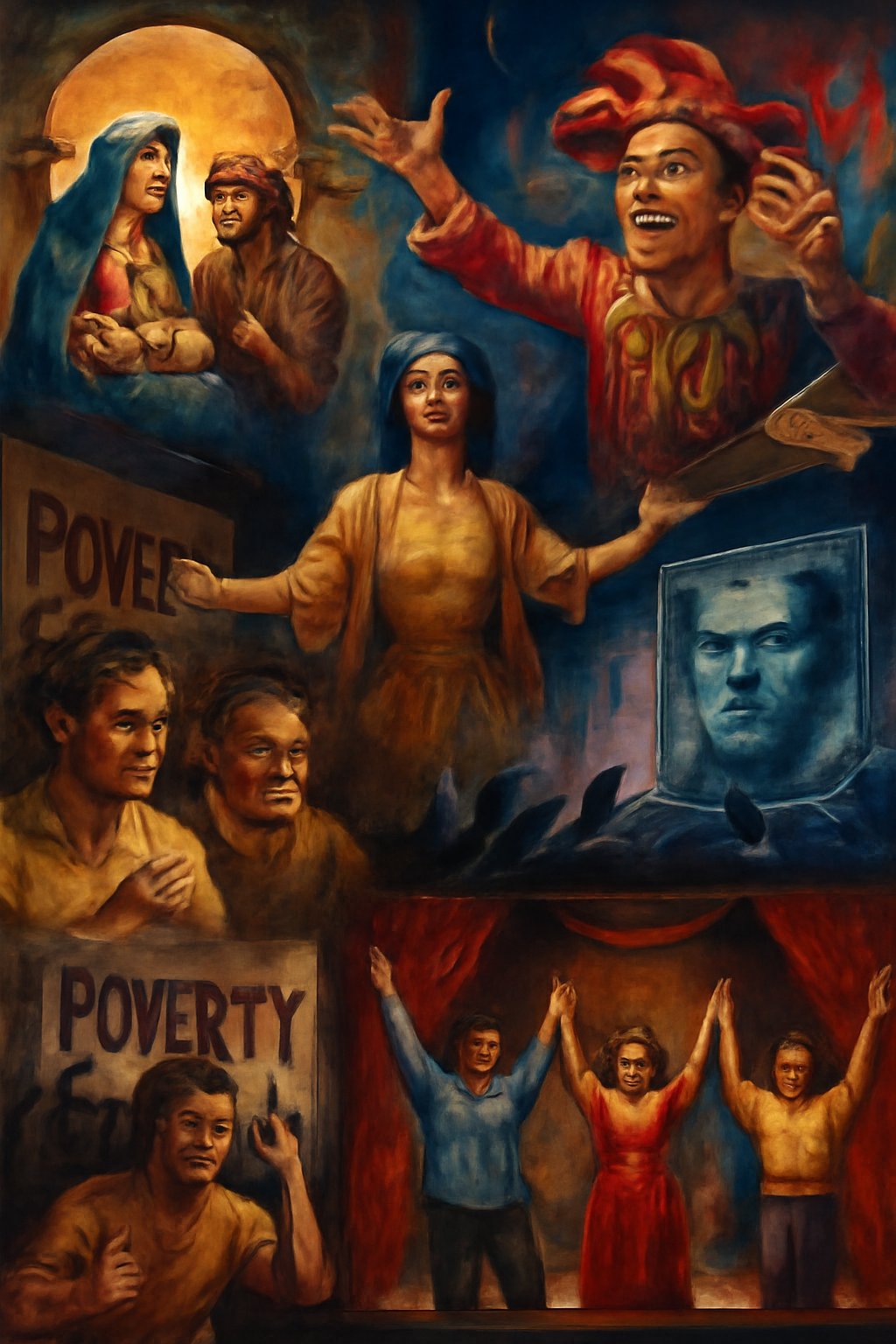
Throughout history, Philippine theater has been an important tool for social change, especially during times of political upheaval. In the 1970s, during the Martial Law era, plays became a form of resistance against the oppressive regime. Today, theater still serves as a space for commentary, with performances tackling topics such as the ongoing battle for freedom of speech and the impact of global climate change.
Festivals and International Recognition
The growing success of Philippine theater on the international stage is undeniable. Productions such as “Bituing Walang Ningning,” a musical based on the popular Filipino film, have toured internationally, showcasing Filipino talent to the world. Through the International Theater Festival, Filipino artists continue to gain exposure and share their stories with global audiences.
The Future of Filipino Theater
As Filipino theater continues to innovate, we can expect more integration of digital technologies, multimedia performances, and new creative methods of storytelling. The emergence of younger artists brings fresh perspectives and a renewed commitment to pushing boundaries, ensuring that the future of Filipino theater will remain as dynamic and relevant as ever.