The Silent Saboteur of Health
“Hidden hunger” lacks the visible drama of starvation, but its toll is immense. In the Philippines, deficiencies in vitamin A, iron, and iodine have long compromised immune systems, impaired cognitive development, and increased maternal mortality. The 2026 Fortification Assessment by the National Nutrition Council, released at https://nnc.gov.ph/, confirms that large-scale food fortification is the unsung hero in reversing these trends.
A Mother’s Awakening in Cebu
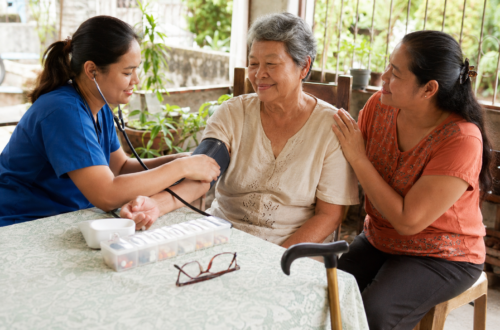
Jessa, a 29-year-old mother of two in Talisay City, Cebu, used to dismiss her constant fatigue and her toddler’s frequent infections as ordinary hardships. When a barangay health worker screened her family, both were diagnosed with iron-deficiency anemia. The intervention was simple: the local health center provided iron-fortified rice and cooking oil enriched with vitamin A, staples that Jessa already used but had never associated with health benefits. “I didn’t know the ‘fortified’ logo on the pack meant it could stop my daughter from getting sick so often,” she says. Within three months, their hemoglobin levels normalized.
The Fortification Landscape in 2026
The 2026 NNC report indicates that mandatory fortification compliance among local manufacturers of wheat flour, cooking oil, and rice has reached 92%, up from 85% in 2022. This has contributed to a measurable decline in vitamin A deficiency among children under five—dropping from 15.5% to 8.9%—and a reduction in iodine deficiency disorders. The “Sangkap Pinoy” seal, which marks adequately fortified products, has become a powerful tool for consumer education.
Challenges and Innovations
Reaching the Informal Sector
A gap remains in reaching families that buy unpackaged goods from wet markets. To address this, the NNC partnered with local millers in 2026 to develop small-scale fortification sachets that can be mixed into grains at the point of sale. Pilot programs in Northern Mindanao have shown a 40% increase in adequate iron intake among participating communities.
Biofortification and the Future
Beyond industrial fortification, the Department of Agriculture has expanded the distribution of biofortified crops, such as iron-biofortified rice and zinc-enriched “Golden Rice.” The 2026 harvest data indicate that 12% of the country’s rice fields are now planted with high-zinc varieties. These crops offer a sustainable backup, especially for far-flung areas where commercial fortified products are unreliable.
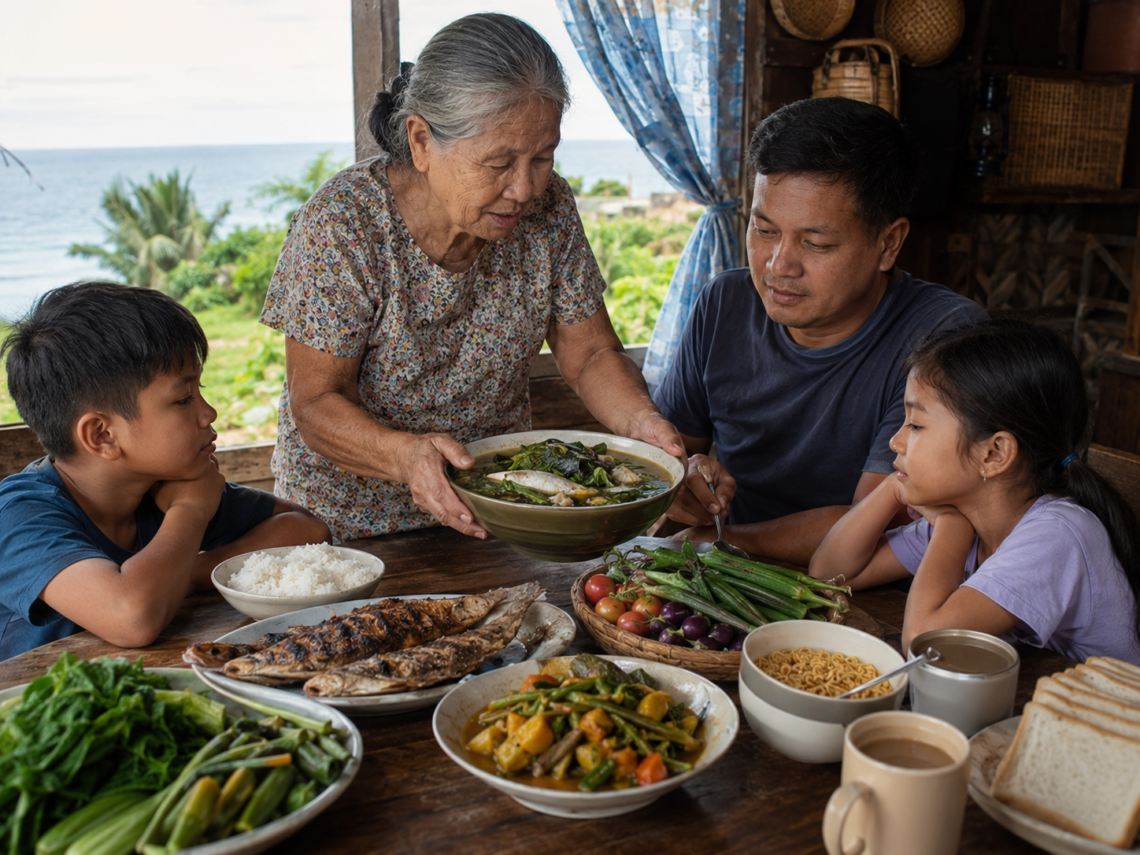
The quiet success of fortification in places like Talisay proves that tackling hidden hunger does not require dramatic changes in diet—just consistent access to staples that work harder for public health.