The Growing Appeal of Philippine Heritage in Global Fashion
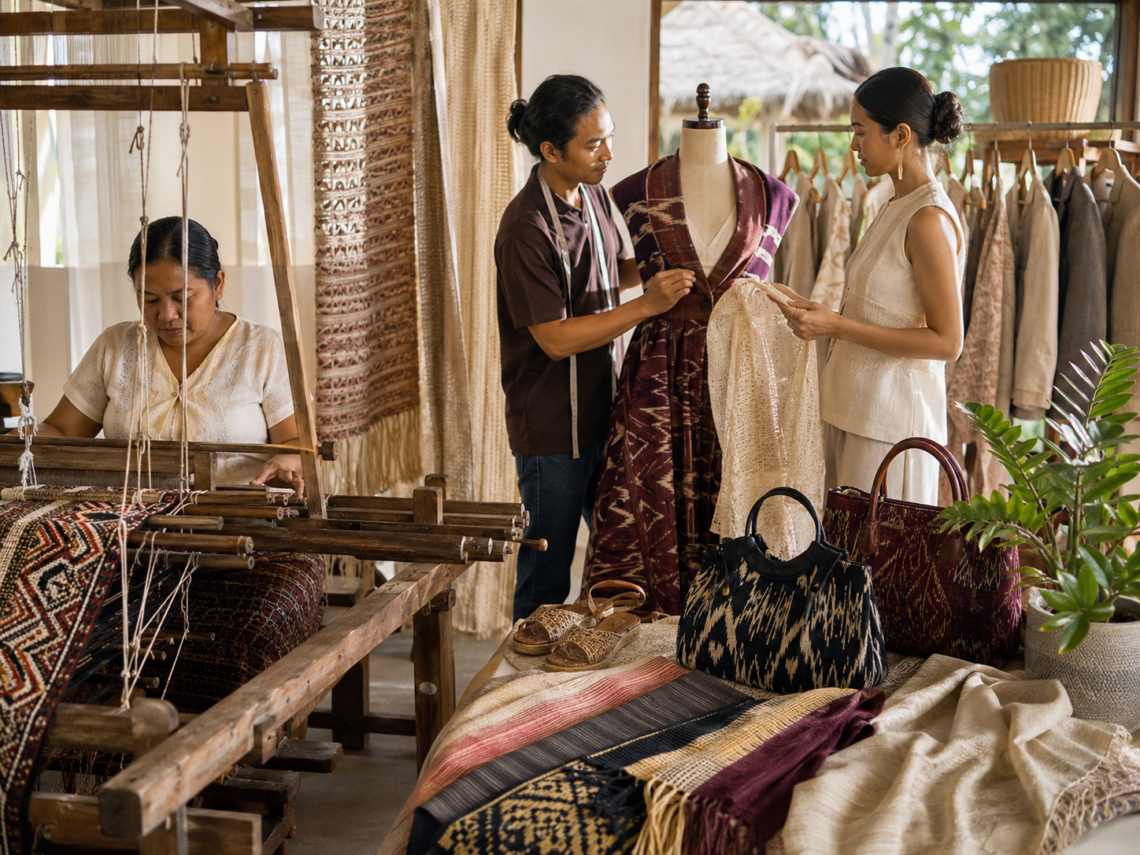
By 2026, the global fashion industry has firmly taken notice of the Philippines’ rich textile traditions. Major international brands and independent designers are collaborating with Filipino artisans to produce collections that honor centuries-old weaving practices. Materials such as handwoven abel, piña, and T’nalak are appearing in contemporary ready-to-wear lines, accessories, and even footwear. This movement is more than a trend; it is a strategic alignment between global market demand for authenticity and the Philippines’ deep reservoir of cultural craftsmanship.
How Local Artisans Are Entering International Supply Chains
International labels are no longer treating Philippine textiles as exotic novelties. Instead, they are building long-term relationships with weaving cooperatives in the Ilocos region, Aklan, and Mindanao. These partnerships often include capacity-building workshops, quality standardization, and direct purchasing agreements. According to the Department of Trade and Industry’s official portal (https://www.dti.gov.ph/), the Go Lokal program has been instrumental in linking these small-scale producers to global retail networks. In early 2026, the program reported increased participation from international buyers seeking ethically sourced and culturally meaningful fabrics.
The Socio-Economic Benefits of Collaborative Fashion
The impact on weaving communities is substantial. Regular export orders provide a reliable income stream that local festivals and domestic tourism could not sustain alone. This financial stability enables cooperatives to expand their operations, hire more weavers, and invest in the next generation of artisans. In many provinces, younger Filipinos are now viewing traditional weaving as a viable career path rather than a fading heritage practice. Early 2026 data suggests that household incomes in several textile-producing municipalities have improved, driven largely by cross-border fashion partnerships.
Safeguarding Indigenous Designs in a Global Market
With greater international exposure comes the risk of cultural appropriation. To address this, the Philippine government and community organizations are strengthening intellectual property protections. Indigenous patterns are being documented, and legal mechanisms such as collective trademarks are being pursued. International collaborators are expected to acknowledge the origin of each design and share benefits with the communities. This approach ensures that the global embrace of Filipino heritage does not strip it of its meaning or economic value.
Trade Events and Government Initiatives Driving Momentum
Manila FAME, the country’s premier design and lifestyle trade show, has become a critical platform for these collaborations. Organized by the Center for International Trade Expositions and Missions, the 2026 edition drew a diverse group of international buyers from Europe, the Middle East, and the Asia-Pacific. The event showcased a wide array of products made from indigenous textiles, from high-fashion garments to home décor. The DTI’s Go Lokal initiative complements these efforts by providing e-commerce and retail spaces that allow Philippine brands to test international markets without enormous upfront costs.
A Sustainable Path Forward for Philippine Fashion
The trajectory for 2026 and beyond points toward deeper, more formalized partnerships between Philippine artisans and global fashion entities. Digital platforms, blockchain-based traceability, and cross-border design exchanges are expected to further integrate local craftsmanship into international supply chains. As consumers increasingly demand transparency and cultural authenticity, the Philippines is well-positioned to lead. The collaboration between local heritage and international style is not merely a market opportunity; it is a model for how fashion can be both profitable and culturally respectful.