Filipino children’s fashion stands out for its ability to shift smoothly between two worlds: tradition-rich celebrations and modern, city-friendly casualwear. This blend creates a style identity that feels both rooted and current—something many parents find inspiring when dressing kids for school events, family gatherings, and everyday adventures.
Fiesta culture is a big influence. In the Philippines, community celebrations and family milestones often involve dressing up, taking photos, and coordinating outfits. Children’s partywear frequently includes bright colors, polished silhouettes, and details like embroidery, ruffles, or matching accessories. These outfits are not only about looking formal; they’re about participating in a shared moment—showing respect for the occasion and joy in the gathering.
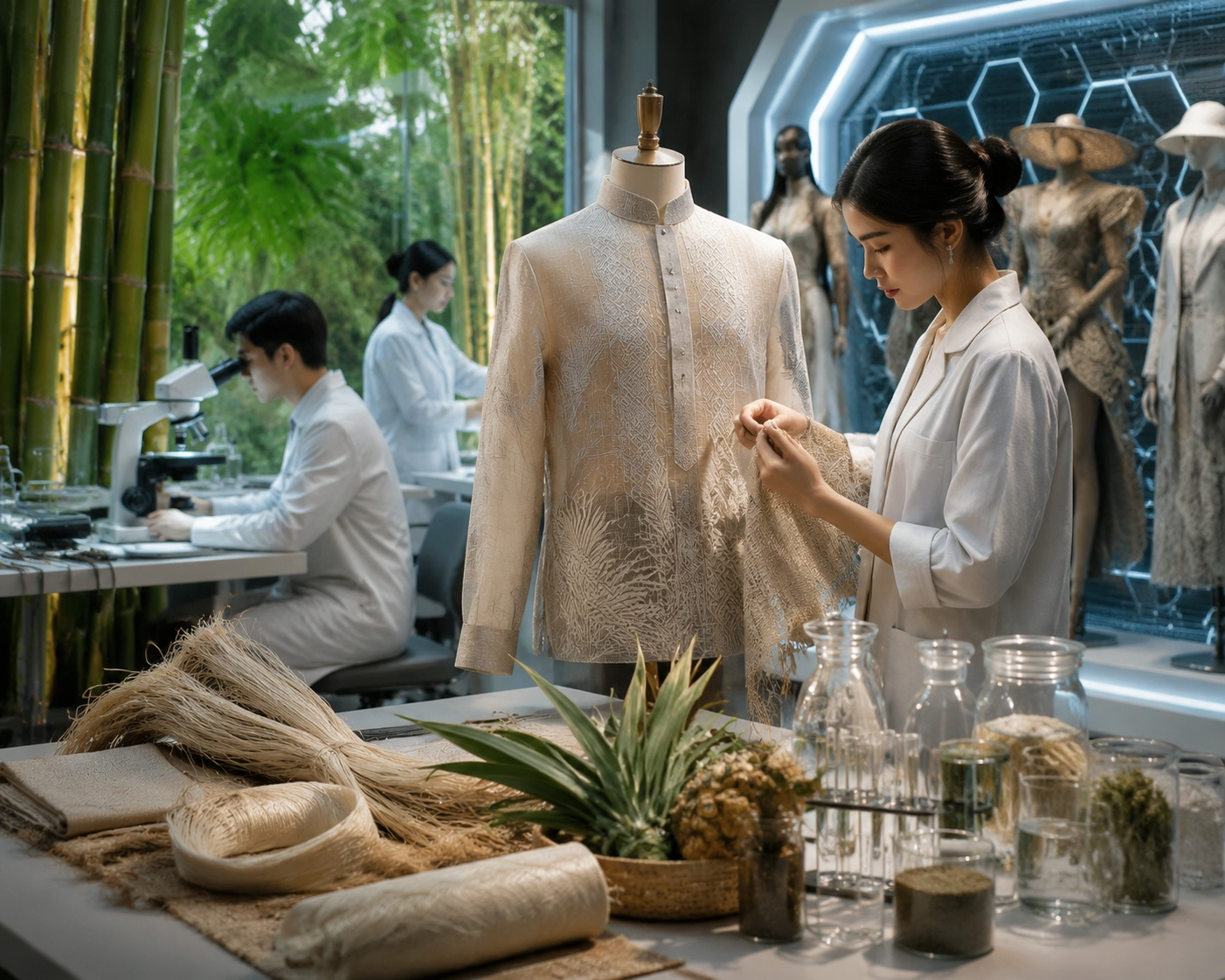
Traditional elements still appear, especially during cultural programs or special ceremonies. Kids might wear attire inspired by the barong Tagalog or traditional dresses influenced by the terno. Even when the garment is a modern remake—simpler fabric, easier buttons, softer seams—it carries a recognizable Filipino look. This early exposure helps children see clothing as part of cultural expression, not just something to wear.
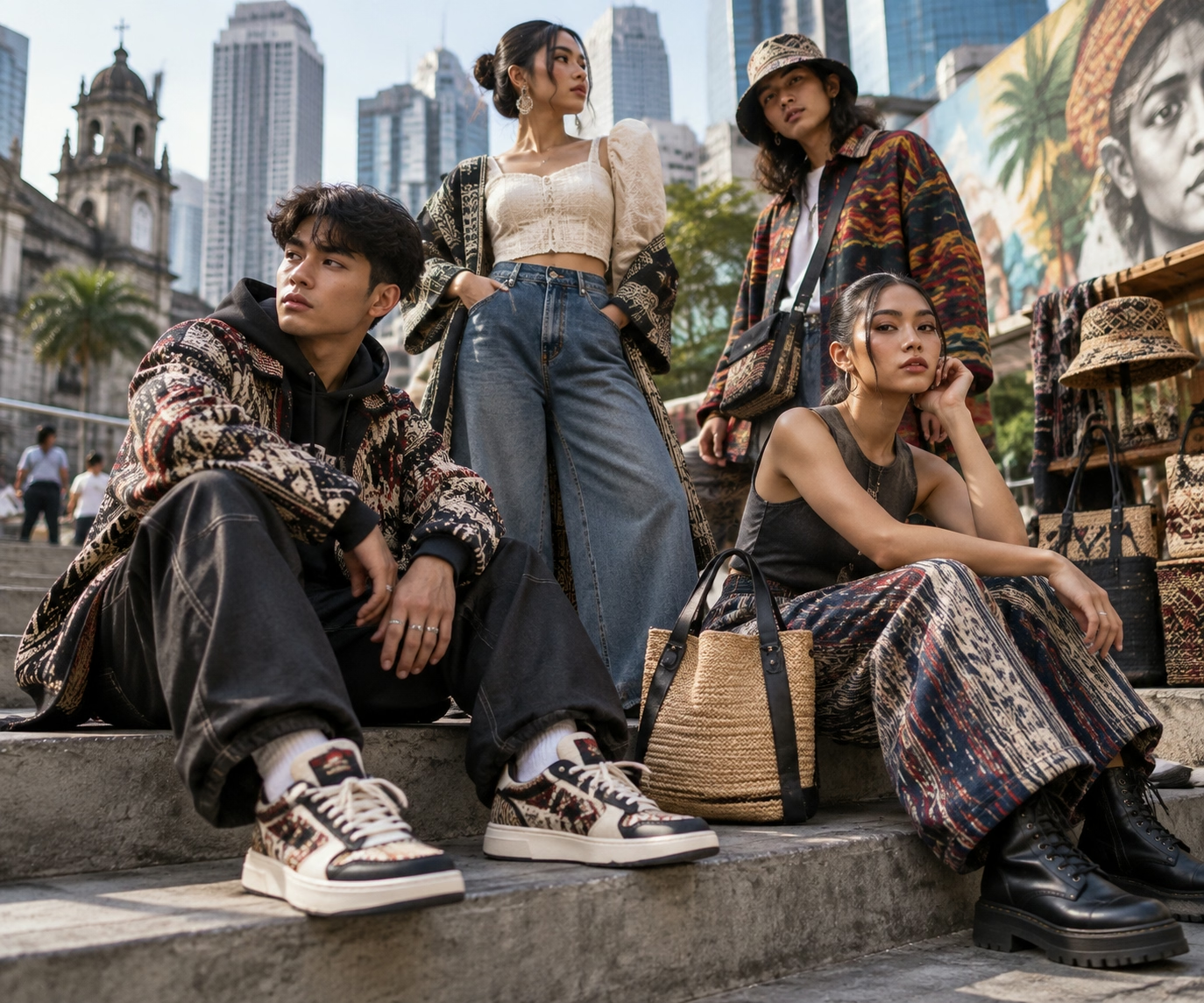
At the same time, urban life and global media trends shape everyday style. In cities and towns alike, Filipino kids often wear streetwear-inspired outfits: graphic tees, sporty matching sets, relaxed denim, and sneakers. What’s interesting is how families adapt these trends for comfort and weather. Oversized silhouettes are popular partly because they feel breezy, and casual sets are favored because they’re easy to wash and quick to put on.
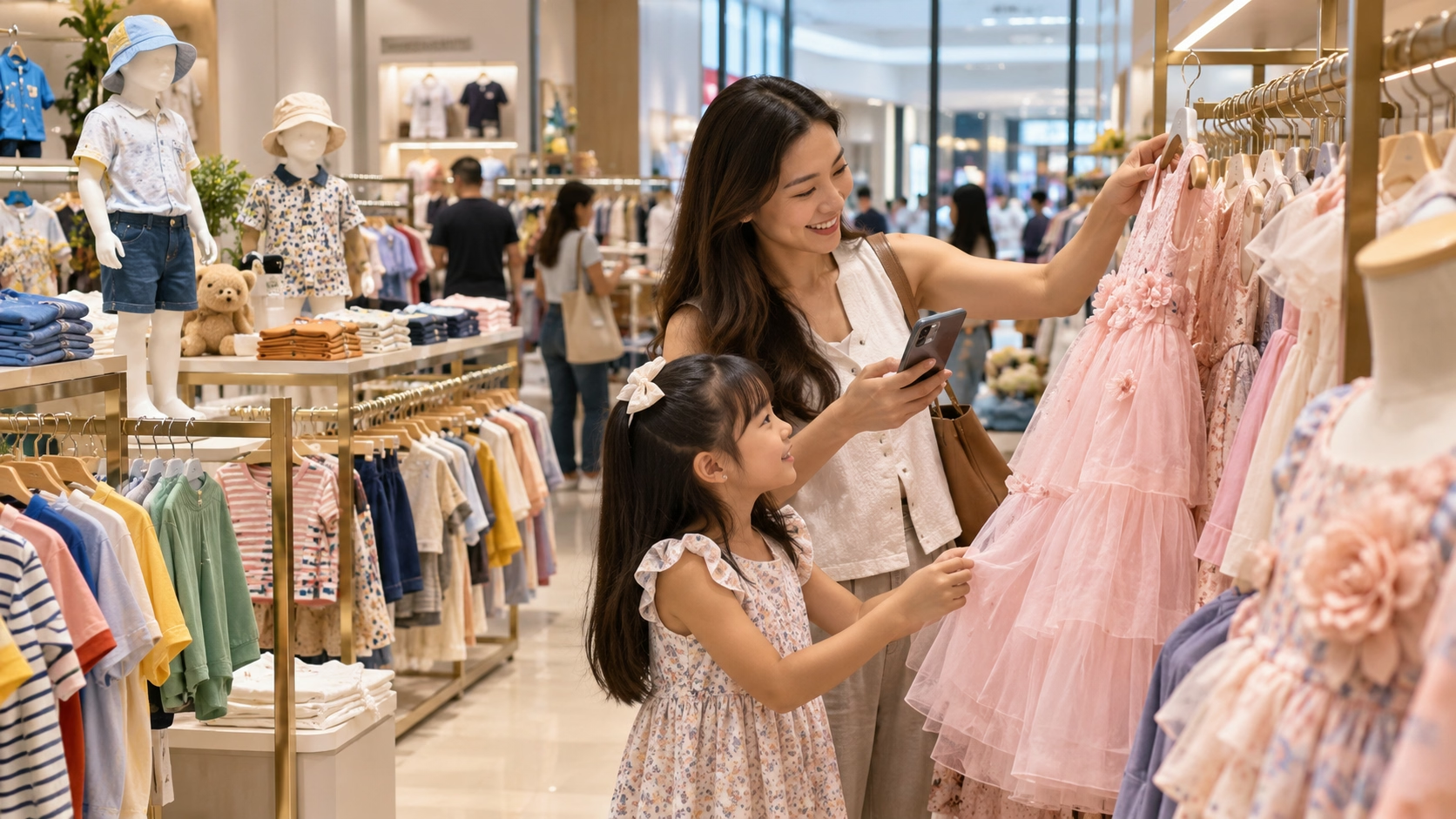
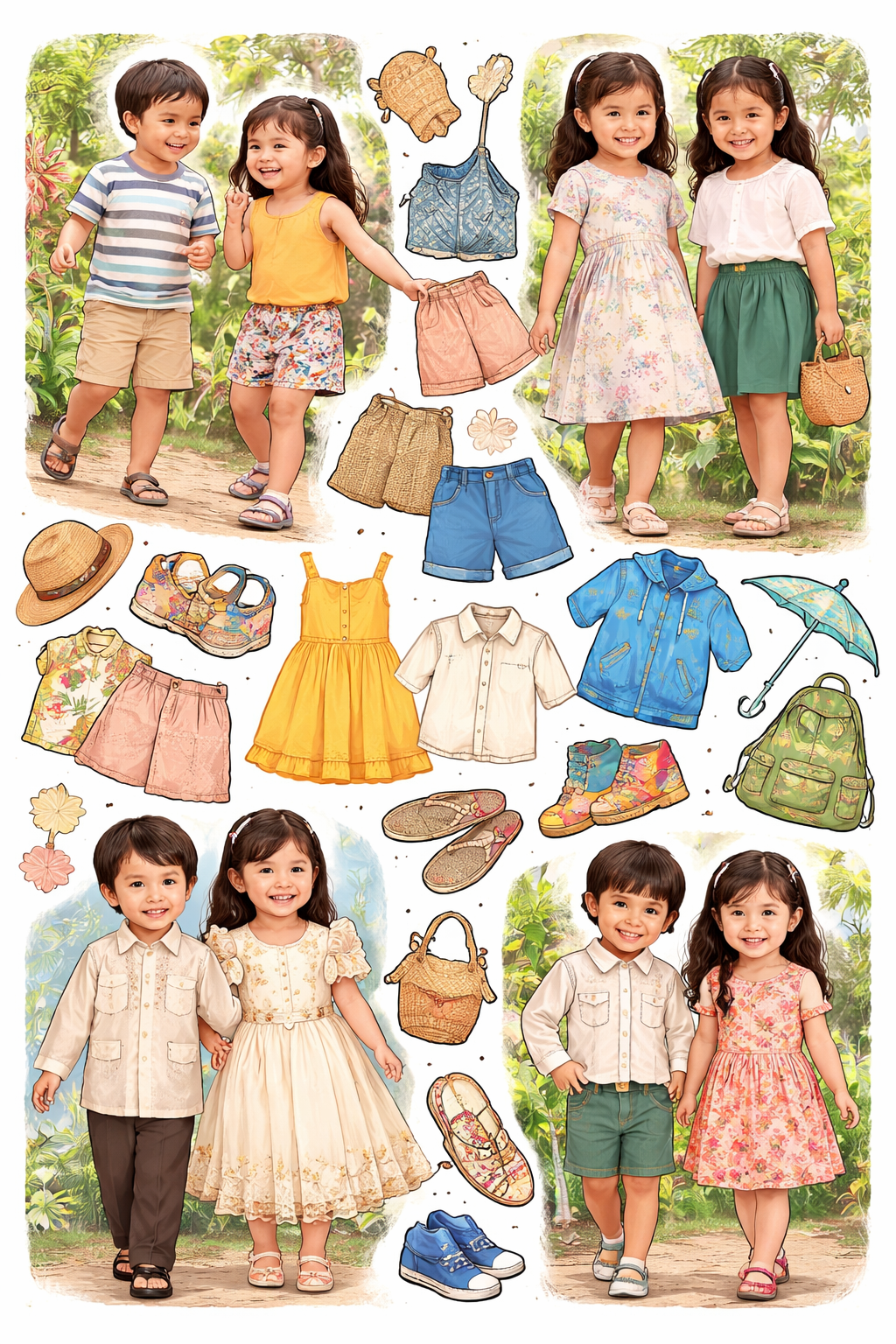
Filipino parents also tend to value photo-ready practicality. Clothing choices often aim for “presentable but not fussy.” A child might wear a simple collared shirt with shorts for a neat look that still allows play. Girls’ casual outfits may include a soft dress with sandals—easy, cute, and appropriate for unexpected family visits or quick outings.
Accessories add personality without sacrificing comfort. Headbands, hair clips, small sling bags, and caps can transform a basic outfit into something festive. Footwear is often chosen with realism in mind: slip-on shoes, sandals, and sneakers that can handle walking, uneven sidewalks, and sudden rain.
A growing modern influence is the social-media-driven idea of coordinated family looks. Some families enjoy matching colors or themes for gatherings and holidays, creating visual unity in photos. This can be done subtly—shared color palettes—or boldly—identical prints. The practice encourages intentional styling while still leaving room for each child’s comfort.
What makes modern Filipino children’s fashion inspiring is its emotional warmth. Outfits are often selected with care: a nod to tradition for meaningful days, and relaxed street style for daily life. The result is a wardrobe that supports celebration, play, and family identity all at once—proof that children’s fashion can be culturally rich, trend-aware, and wonderfully wearable.