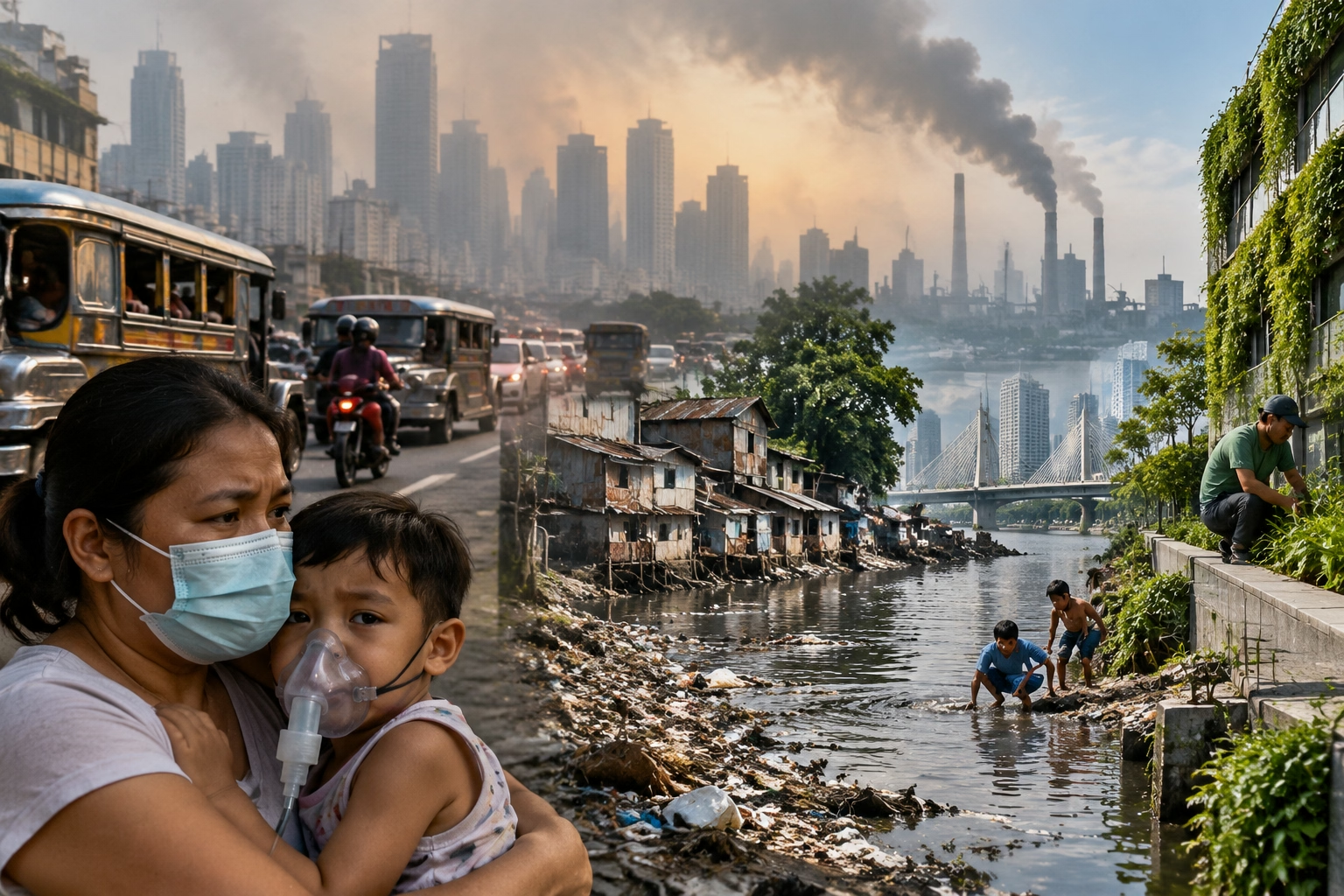
The Philippines sits on the frontline of the climate crisis, and 2026 is proving to be a brutal year for the intersection of weather and wellness. The concept of “Environmental Health” is no longer limited to pollution; it now encompasses the direct physiological impact of extreme heat and the cascading medical emergencies that follow super typhoons. As the planet warms, the archipelago faces a dual threat: scorching temperatures that test the limits of human endurance and intense rainfall that destroys sanitation infrastructure.
The Deadly Heat Index and the “Work from Cool” Phenomenon
During April and May 2026, the heat index in parts of Luzon soared to a staggering 45°C to 50°C (113°F to 122°F). The Department of Labor and Employment (DOLE) was forced to issue “heat breaks” and recommend a shift to remote work to prevent heat stroke among construction workers and traffic enforcers. This extreme heat is not just an inconvenience; it is a killer. The elderly and those with cardiovascular disease are particularly vulnerable.
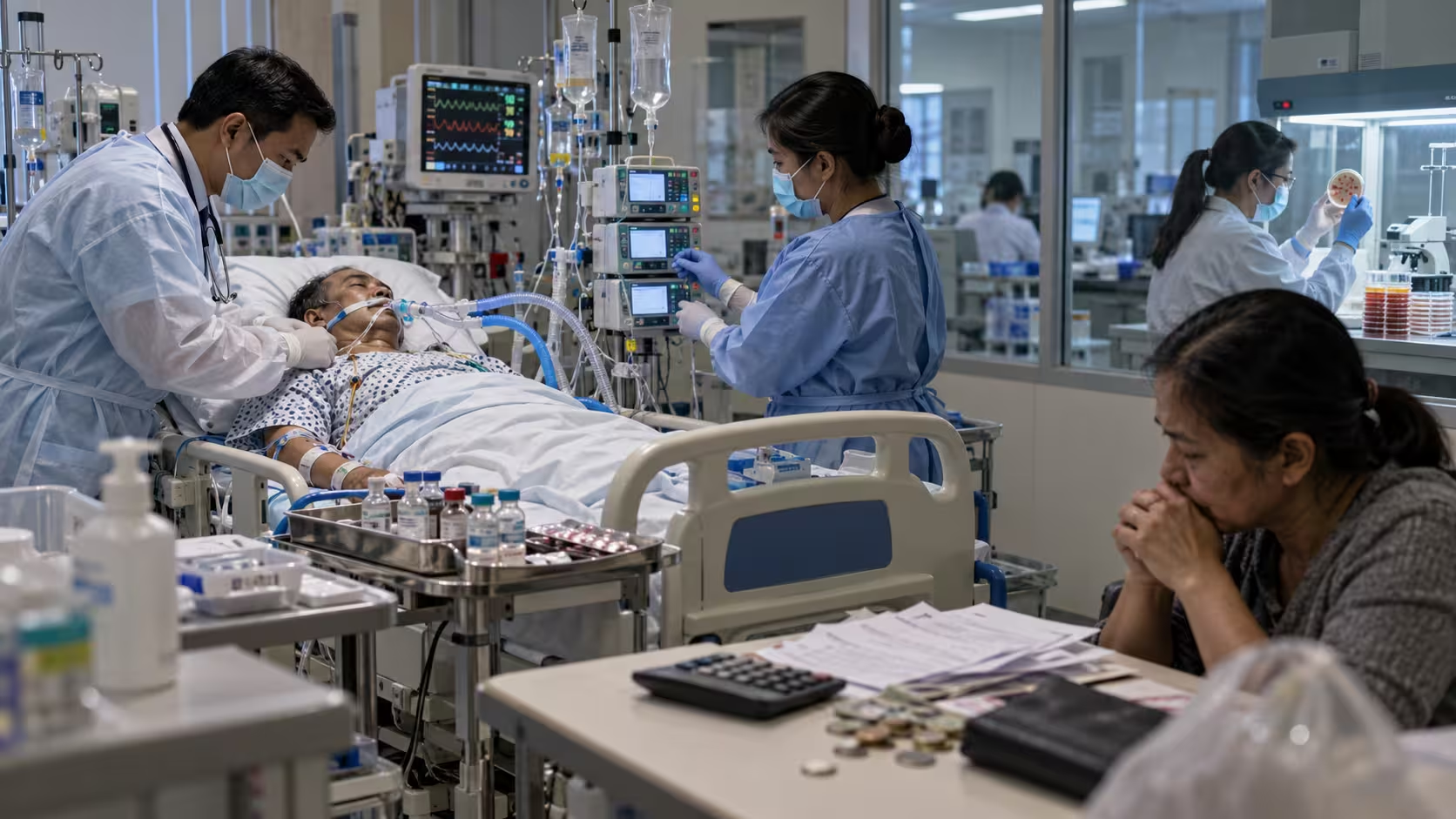
Hospitals have reported a marked increase in cases of acute kidney injury (AKI) among outdoor laborers, a direct result of chronic dehydration. This reality forces a difficult conversation about labor rights in a warming world. The traditional siesta or midday break is being reintroduced in some agricultural regions, harkening back to older practices to adapt to the new normal.
The Aftermath of Super Typhoons: The Medical Storm
When a Category 5 typhoon makes landfall, the destruction is immediate, but the health crisis unfolds over the following weeks. In 2026, improved early warning systems have reduced casualties from the actual storm surge, but the post-disaster environment remains lethal. Stagnant water left by receding floods becomes a breeding ground for mosquitoes, leading to localized spikes in dengue and chikungunya.
Furthermore, the destruction of health facilities themselves is a critical vulnerability. When a rural health unit in Samar or Leyte is flattened, access to primary care, maternal health services, and vaccines disappears overnight. The Department of Health’s “Health Emergency Management Bureau” has pivoted to deploying mobile solar-powered clinics, which have become a lifeline in off-grid disaster zones. These units ensure the cold chain for insulin and vaccines remains unbroken even when the grid fails.
Mental Health: The Silent Climate Casualty
A growing body of evidence in 2026 points to the severe mental health toll of climate change. The phenomenon of “eco-anxiety” is rising, particularly among the youth. The repeated trauma of losing homes to floods or typhoons has led to a surge in cases of Post-Traumatic Stress Disorder (PTSD) in coastal communities.
Psychosocial support is now a standard component of the government’s disaster response toolkit. Mental health professionals are being trained specifically in climate grief counseling, recognizing that the loss of ancestral lands to sea-level rise is a unique form of bereavement that requires specialized intervention.
The convergence of physical and mental health challenges driven by the climate requires a holistic approach. The healthcare system of 2026 is being forced to become agile, mobile, and climate-resilient to survive the storms ahead.