Why Indigenous Textiles Now Lead Wedding Fashion
For a growing number of Filipino couples, the wedding aisle is also a runway for cultural preservation. Instead of generic satin and tulle, they are choosing indigenous weaves and sustainable fabrics that carry the fingerprints of Philippine artisans. The Philippines is home to a vast textile heritage. T’nalak from the T’boli of South Cotabato is woven from abacá and dyed using intricate resist techniques. Inabel from Ilocos is a handwoven cotton fabric with geometric patterns. Hablon from Iloilo blends cotton, piña, and polyester in colorful checks. These materials are moving from cultural showcases into mainstream wedding fashion.
T’nalak, Inabel, and Hablon on the Aisle
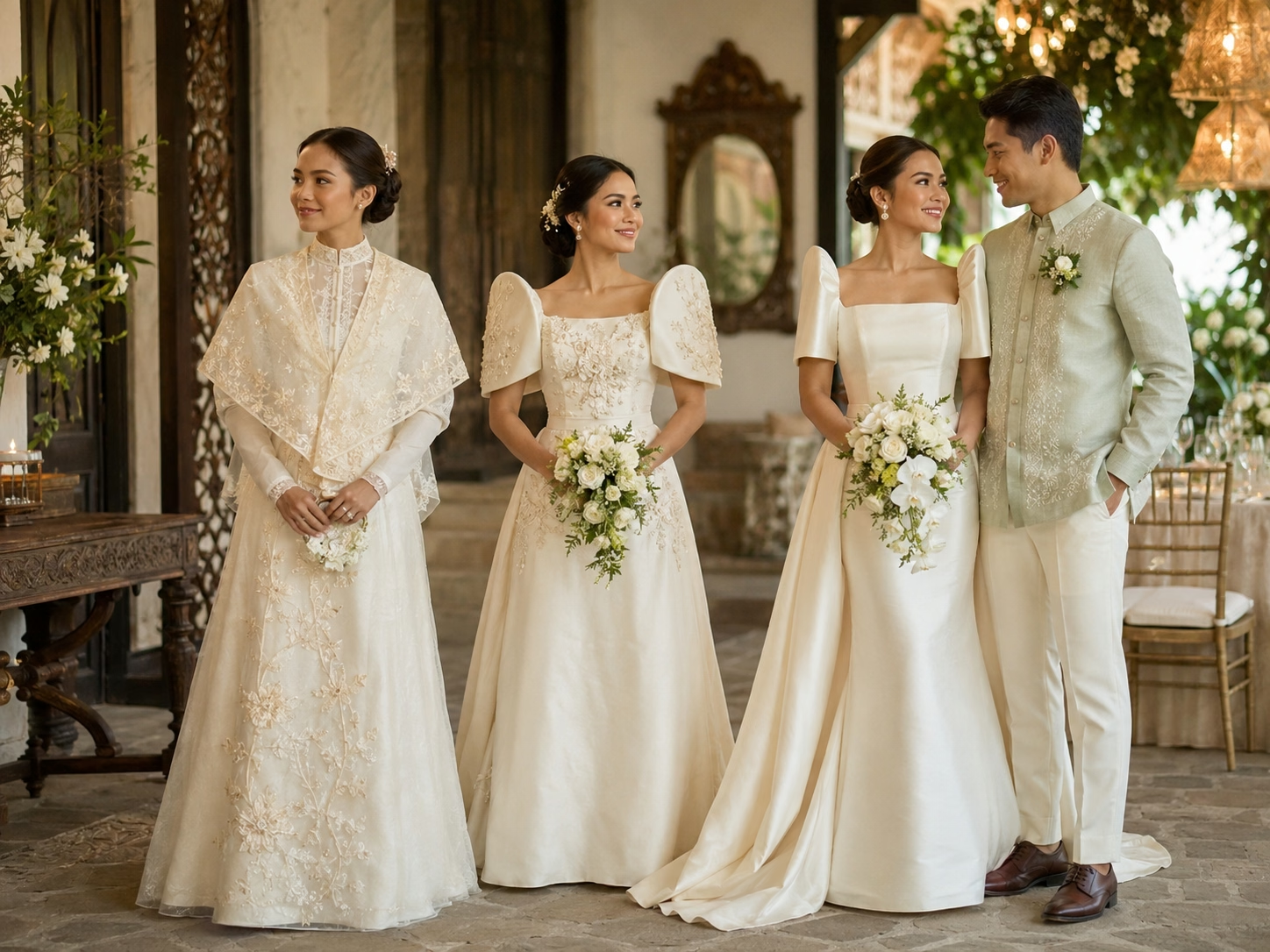
Couples are using these textiles as wedding cord holders, barong panels, gown skirts, and pocket squares. A bride may pair a piña terno with a hablon sash; a groom may wear a barong with T’nalak trim. T’nalak patterns are traditionally inspired by dreams, with the T’boli weaver receiving designs from ancestors. Inabel patterns like binakol are believed to ward off evil spirits. By incorporating these motifs, couples invite protection and blessing into the ceremony.
Sustainability as a Wedding Vow
Fast fashion has made bridal wear cheaper but often at ethical and environmental cost. In response, Filipino couples are asking for transparency: Where was the fabric woven? Who embroidered it? Was the piña ethically harvested? The Philippine Textile Research Institute (PTRI) continues to promote certified natural fibers and sustainable textile processing, helping the industry move toward traceable supply chains.
Certifying Piña and Supporting Artisans
PTRI’s programs include natural fiber standards, handloom weaving support, and research on pineapple leaf fiber. This matters for couples who want their wedding attire to support communities rather than exploit them. Choosing certified piña or partnering with weaving cooperatives can turn a bridal ensemble into a form of economic justice.
Real Couples, Real Woven Stories
In 2026, destination weddings in Palawan, Baguio, and Cebu are providing new income for weaving communities. Wedding planners report that couples often meet artisans through social media and commission custom panels that later become family keepsakes. This is more than a trend—it is a quiet revolution in how Filipino identity is worn and preserved. Each woven aisle becomes a living archive of regional artistry.