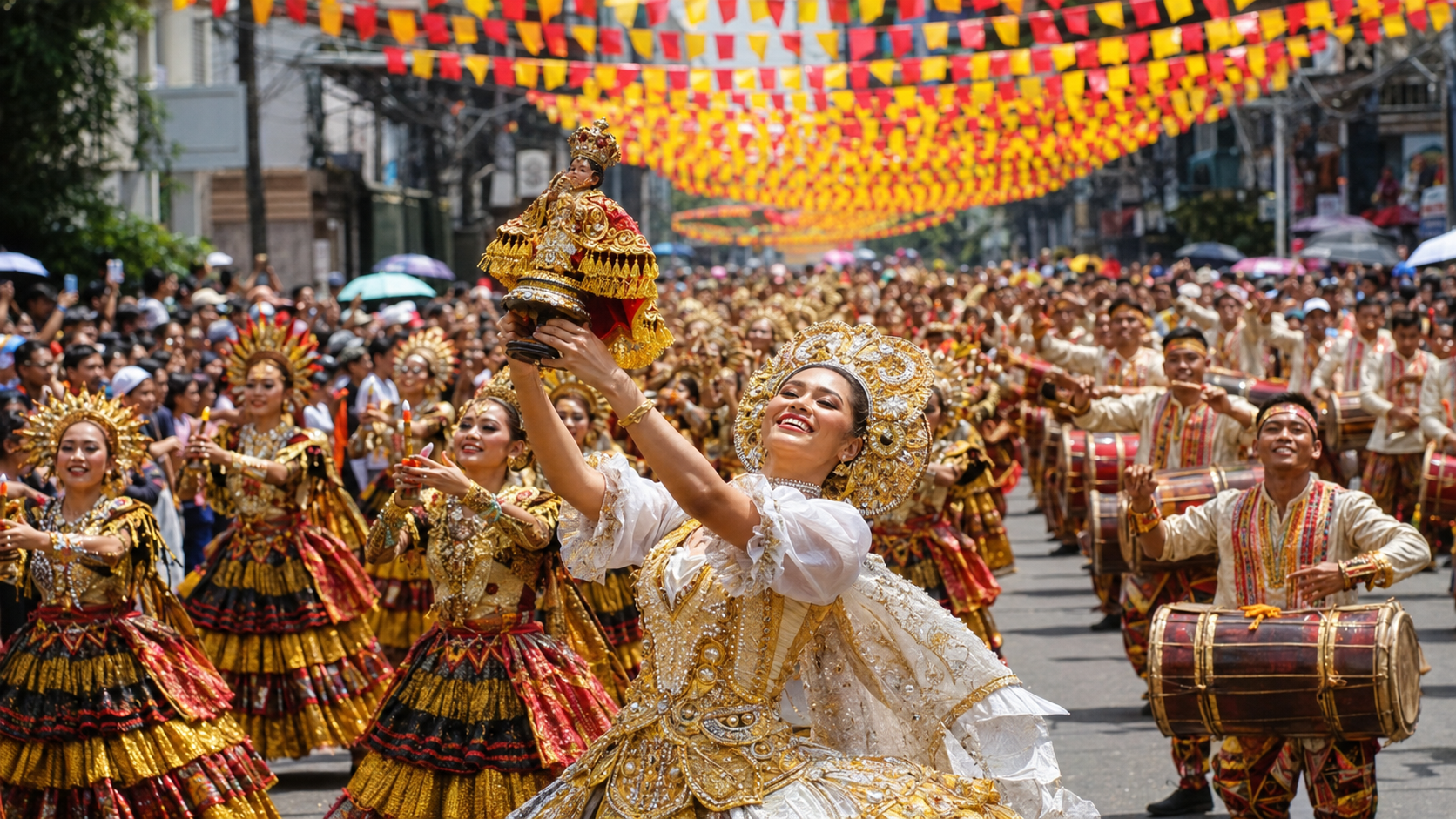
As winter frost thaws in February, Baguio City erupts into a month of floral floats, street dancing, and mountain culture. Panagbenga, which means “a season of blooming” in the Kankanaey language, returns in 2026 with a stronger eco-tourism agenda. The official Baguio events calendar lists the festival from February 1 to March 8, 2026, with the grand street parade and float parade typically held on the last weekend of February and first weekend of March.
Panagbenga 2026 Dates and Main Events
- February 1, 2026: Opening parade and drum-and-lyre competition along Session Road; simultaneous opening of the Baguio Flower Festival Market.
- February 7–8, 2026: Grand Street Dance Competition, featuring school and community contingents wearing flower-inspired costumes.
- February 28, 2026: Grand Float Parade, where large floats covered in thousands of fresh blooms roll down Session Road and Harrison Road.
- March 7–8, 2026: Closing ceremonies, fireworks, and the Baguio Blooms Exhibition at the Rose Garden, Burnham Park.
Because Baguio is at 1,500 meters above sea level, temperatures during Panagbenga can drop to 13–18°C, so bring a light jacket.
Cultural and Environmental Significance
Rebuilding Baguio’s Identity After the 1990 Earthquake
Panagbenga began in 1996 as a way to boost Baguio’s recovery and tourism after the 1990 Luzon earthquake. It was not simply a flower display; it was a deliberate economic and cultural strategy to turn the city’s cool climate and cut-flower industry into a national attraction. In 2026, the festival is leaning further into sustainability: organizers are working with local flower farms in La Trinidad, Atok, and Baguio’s barangays to reduce plastic use in floats and require compostable materials for decorations. This makes Panagbenga a real-world case of how festivals can support local agriculture and environmental goals.
Creative Floats and Street Dance Highlights
The Grand Float Parade is Panagbenga’s centerpiece. Floats are judged on floral design, movement, and use of fresh materials; many entries use roses, chrysanthemums, sunflowers, and native greens. Street dance groups perform choreography inspired by the region’s mountain rituals, with hand movements mimicking harvest, planting, and rain. In 2026, visitors can expect more indigenous-inspired costumes and contemporary fusion numbers from Cordillera schools, as well as an expanded “Flower Power” night show along Session Road.
Practical Travel Tips for Panagbenga 2026
Book hotels and transient houses in Baguio or nearby La Trinidad as early as September 2025, because Panagbenga weekends sell out quickly. From Manila, take a Victory Liner or Genesis bus to Baguio; weekend night trips are often fully booked. Within Baguio, walking is the best way to reach Session Road, Burnham Park, and the Mansion House, but jeepneys and taxis are available for farther spots. Visit the Baguio City Public Market for fresh strawberries, walis tambo, and local peanut brittle. Dress in layers because mornings can be misty and afternoons sunny.
Why Panagbenga 2026 Is a Model for Eco-Cultural Tourism
Panagbenga demonstrates how a regional festival can drive tourism without sacrificing local identity. The Department of Tourism highlights Baguio’s flower festival as one of the country’s most sustainable cultural events, with strong community participation and agricultural linkages (https://philippines.travel/events). For travelers who want colorful parades, cool weather, and a deeper look at Cordillera culture, Panagbenga 2026 offers a well-rounded experience.