
Radio has been a major pillar of entertainment culture in the Philippines for generations. It became popular because it was affordable, easy to access, and capable of reaching people in many different places. From busy cities to remote provinces, radio brought music, stories, humor, advice, and public discussion into daily Filipino life. Its influence remains strong because it combines entertainment with companionship.
One of radio’s greatest strengths is its ability to make entertainment available to everyone. A television set, cinema ticket, or internet subscription may not always be within reach, but radio is much easier to access. People can listen while driving, cooking, farming, selling goods, or relaxing at home. This flexibility makes radio a background presence in ordinary routines. It entertains without demanding full attention, which is why it fits naturally into the rhythm of Filipino life.
Music programming is perhaps the most visible entertainment function of radio. Philippine stations help promote local and foreign music by playing songs throughout the day. Request shows, music countdowns, and themed programs allow listeners to discover artists and follow trends. For OPM singers and bands, radio can be a key path to public recognition. A song that receives steady airplay may become familiar to listeners across different regions, helping artists build a fan base.
Radio also has a rich tradition of spoken entertainment. Radio drama, in particular, became one of the most memorable formats in Philippine media history. These programs created entire worlds through dialogue, narration, music, and sound effects. Listeners followed characters through love stories, family conflicts, mysteries, and moral struggles. The format encouraged imagination because audiences had to picture every scene themselves. This made the experience intimate and emotionally engaging.
Talk-based entertainment also plays a large role. Many radio shows feature energetic hosts who discuss daily experiences, relationships, celebrity news, community events, and humorous situations. Their voices become familiar, and their opinions often influence public conversation. In many cases, listeners form strong attachments to radio personalities because they hear them every day. The host becomes part of the listener’s routine, almost like a friend who offers jokes, stories, and music.
Radio contributes to celebrity culture as well. Artists often visit stations to promote songs, films, concerts, and television projects. These guest appearances give fans a chance to hear their favorite performers in a more relaxed and personal setting. Interviews can reveal stories about creative processes, personal challenges, or upcoming projects. This makes radio a bridge between entertainers and the public.
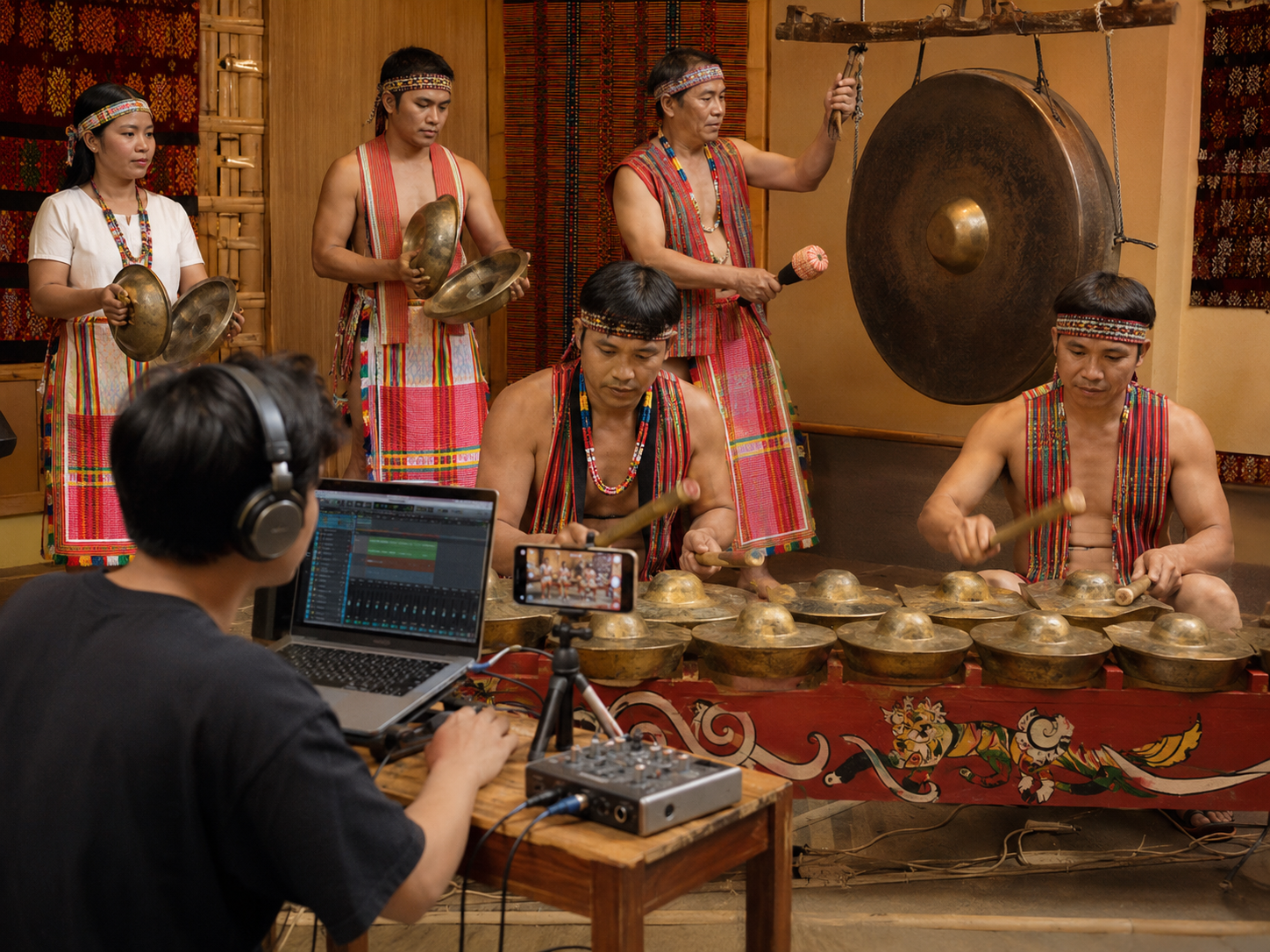
Regional radio is especially important in a country with many languages and cultural identities. Local stations broadcast in Cebuano, Ilocano, Hiligaynon, Waray, Bicolano, and other languages. This allows entertainment to feel closer to local communities. Regional songs, jokes, stories, and announcements help preserve cultural identity while providing enjoyment.
Modern technology has changed how people listen, but it has not removed radio’s importance. Many stations now stream online, share clips on social media, and create digital versions of their programs. This allows them to reach younger listeners and Filipinos living abroad. Radio remains valuable because it offers something technology alone cannot replace: a human voice that feels immediate, familiar, and emotionally connected.