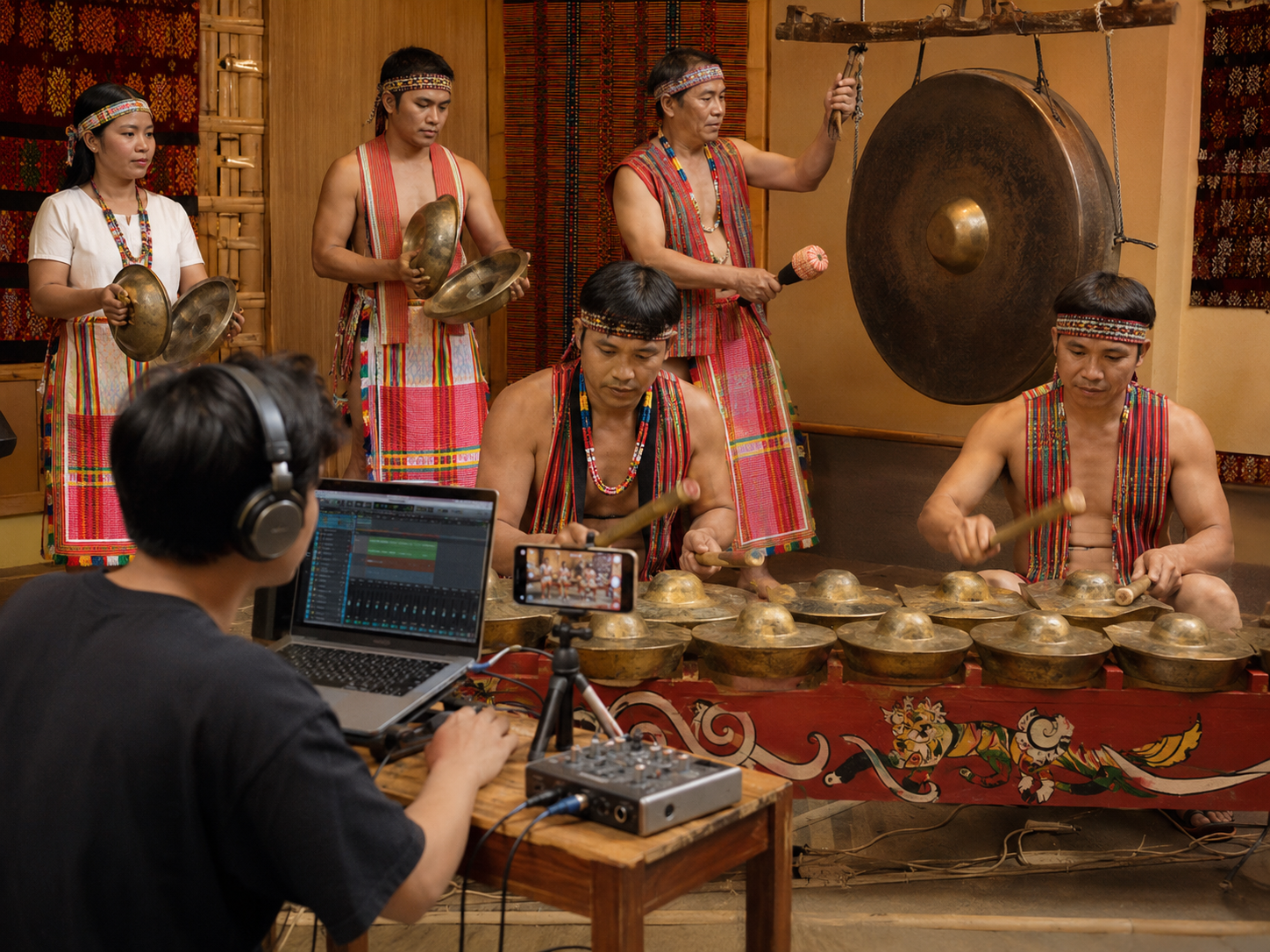

The Philippine creative industry has emerged as a formidable economic force, valued at approximately ₱2.12 trillion as of 2025, which accounts for roughly 7.6 percent of the country’s gross domestic product (GDP). Central to this economic engine are talent management agencies, which function not merely as representatives but as critical infrastructure connecting artistic labor to commercial markets, both domestic and international.
The Talent Agency as Economic Infrastructure
Talent agencies in the Philippines operate at the nexus of supply and demand. On one side, they cultivate and manage human capital—actors, musicians, hosts, and content creators. On the other, they interface with production companies, broadcast networks, advertising firms, and increasingly, global streaming platforms. This intermediary role is vital for reducing transaction costs and ensuring that creative talent is efficiently deployed across various media formats.
According to data from the Philippine Statistics Authority, the creative sector accounts for roughly 18 percent of national employment, meaning nearly one in five Filipino workers is engaged in a creative occupation. Talent agencies are instrumental in formalizing this vast workforce, providing structure, contract negotiation, and career development services that transform raw talent into sustainable livelihoods.
The Streaming Boom as a Growth Catalyst
The demand for Filipino content on global streaming platforms has created unprecedented opportunities for local talent agencies. The Philippine streaming market was projected to reach **$421 million by 2026**, a significant jump from $283 million in 2024. This influx of capital has led to a surge in original Filipino programming, with OTT platforms earmarking approximately $120 million for local content investment.
Agencies like Star Magic, Sparkle GMA Artist Center, and independent players such as Viva Artists Agency are now strategically positioning their rosters to capture this demand. They are no longer just booking local television appearances; they are negotiating international distribution deals, securing roles in cross-border productions, and managing the complex intellectual property rights associated with digital content.
Challenges and the Push for Professionalization
Despite the boom, the industry faces structural challenges. The creative economy report published by WIPO and the DTI in June 2026 noted that while the Philippines has built a globally competitive creative economy, it must boost the creation, ownership, and commercialization of Filipino intellectual property (IP) to become Asia’s premier creative hub by 2030. Talent agencies play a pivotal role in this IP ecosystem. By securing better contractual terms, protecting artists’ rights, and fostering the development of original Filipino content, they contribute directly to the retention of economic value within the country.
The Road to 2030
As the Philippines aims to solidify its status as a creative powerhouse, the strategic importance of talent agencies will only grow. They are evolving from traditional “star-makers” into sophisticated entertainment enterprises that manage multi-platform careers, brand partnerships, and international market entry. The continued professionalization of these agencies, supported by the Philippine Creative Industries Development Act, is essential for translating the sector’s impressive economic output into sustainable, high-value careers for Filipino creatives.