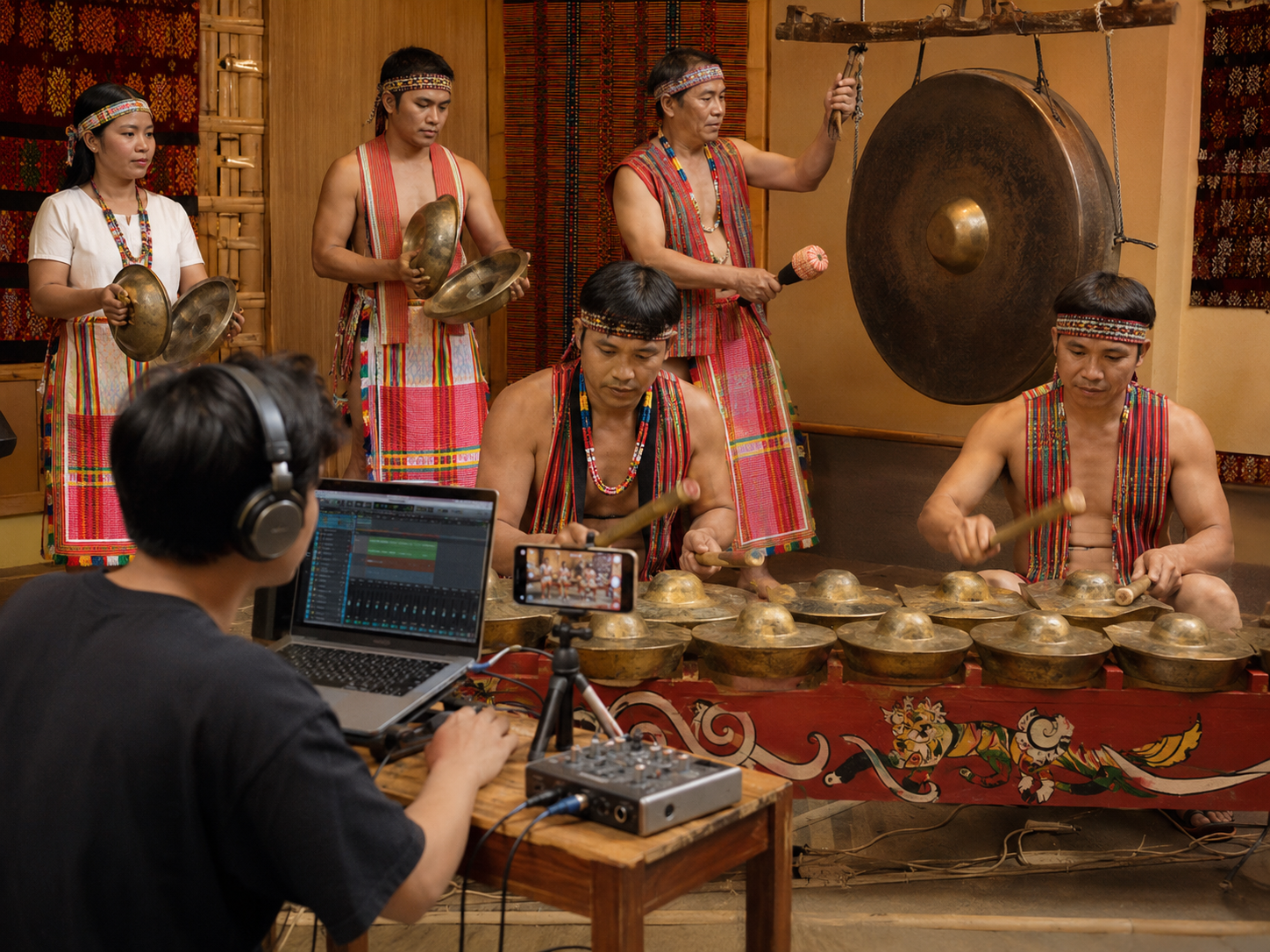

In the Philippines, the entertainment industry has been profoundly shaped by the country’s local media landscape. Over the decades, television, radio, and digital platforms have served as the primary channels through which content is produced, shared, and consumed. Local media’s influence extends far beyond simply providing entertainment—it also helps shape the identity, values, and aspirations of the Filipino people.
Television has long been the dominant medium for entertainment in the Philippines. Major television networks such as ABS-CBN, GMA, and TV5 have consistently produced some of the most widely-watched programs, including soap operas, reality shows, and talk shows. These programs have been integral in defining Filipino entertainment tastes, reflecting societal concerns, and addressing national issues. The success of these shows has not only led to high viewer ratings but also sparked trends in fashion, music, and lifestyle.
In recent years, digital media has emerged as a powerful force, transforming how Filipinos engage with entertainment. Platforms such as YouTube, TikTok, and Facebook allow content creators to distribute their work without relying on traditional media outlets. This democratization of media has led to the rise of a new generation of entertainers—social media influencers, vloggers, and online comedians—who have successfully built large followings by catering to specific niches and engaging with audiences directly.
These online platforms have introduced new content formats, including short videos, live-streaming, and interactive storytelling, which are quickly becoming as popular as traditional television programs. Moreover, these platforms have enabled young Filipinos to discover a diverse range of content, both local and international, broadening their entertainment horizons. The flexibility of digital platforms also allows for more experimental and creative content that would be harder to achieve on traditional TV.
Local media also plays a key role in the discovery and promotion of Filipino talent. Talent competitions such as “The Voice Philippines” and “Pinoy Big Brother” have introduced new faces to the public, while variety shows and concerts showcase the best of local artists. These media outlets help build the careers of actors, singers, and other entertainers, giving them the exposure they need to gain a national, if not international, following.
Furthermore, local media drives the economic engine of the entertainment industry. Television shows, movies, and online content generate revenue through advertising, sponsorships, and partnerships. Additionally, the entertainment sector creates employment opportunities for a wide range of professionals, including directors, writers, performers, and technical staff. As the demand for entertainment content continues to grow, media companies are increasingly investing in quality productions that can compete on the global stage.
One of the key roles of local media in the Philippines is its ability to reflect and reinforce Filipino cultural values. Teleseryes often focus on themes like love, family, and loyalty, which are central to Filipino society. These themes resonate with audiences on an emotional level, creating a sense of national unity. However, there are concerns about the portrayal of stereotypes, particularly when it comes to marginalized communities, and the impact these representations may have on public perceptions of social issues.
Through its reach and impact, local media continues to be a driving force behind the Philippine entertainment industry. As it evolves in response to technological advancements and changing consumer preferences, local media will remain a crucial element in shaping the future of Filipino entertainment and culture.