In Filipino culture, food is a vital part of every celebration, and special occasions call for the best dishes that showcase the country’s rich culinary history. Whether for weddings, anniversaries, or festive holidays, certain Filipino main dishes have become synonymous with joyful events. These dishes are cherished not only for their delicious flavors but also for the traditions they represent.
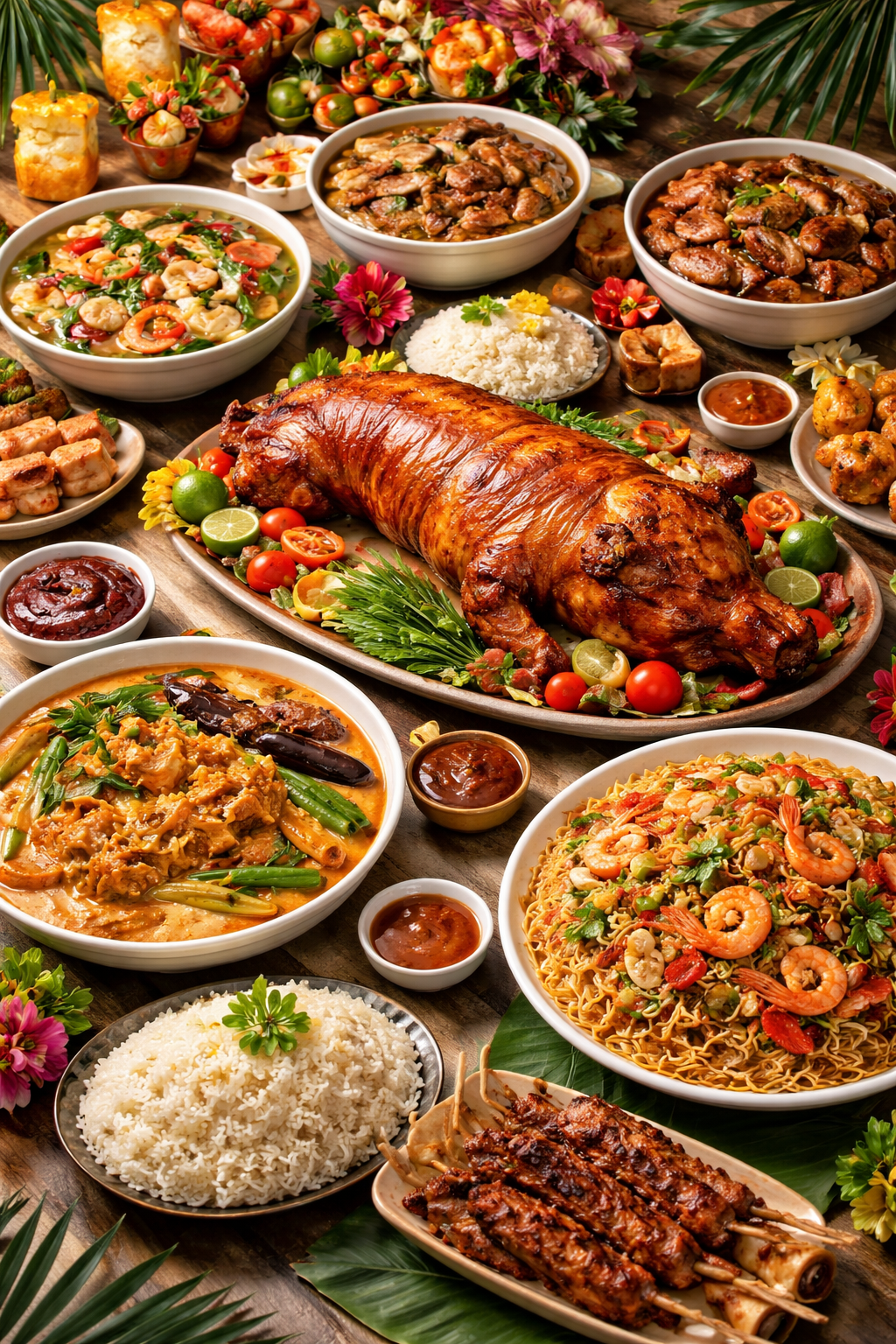
One of the most iconic Filipino dishes served during celebrations is Lechon, a whole roasted pig. The process of preparing Lechon involves seasoning the pig with a mixture of herbs and spices, then roasting it until the skin is crispy and golden-brown. The dish is a symbol of abundance and is often the main attraction at weddings, birthdays, and even local festivals. It’s enjoyed by everyone, and its presence at a celebration is a mark of grandeur.
Another dish that features prominently at Filipino feasts is Kare-Kare, a hearty stew made with oxtail, tripe, and sometimes pork. It’s cooked in a rich, peanut-based sauce and served with bagoong (fermented shrimp paste) on the side. This dish is especially popular in celebrations that call for elaborate meals. Its smooth, creamy sauce and tender meat make it a perfect pairing with steaming rice, and the bagoong adds a salty contrast that enhances the dish’s flavor.
Sinigang, a sour and savory soup, is often served at Filipino gatherings to balance out the richness of other dishes. It’s typically made with pork, shrimp, or fish, and its distinctive sourness comes from tamarind. The addition of vegetables such as kangkong, sitaw (string beans), and eggplant makes it a wholesome, refreshing dish that complements the heavier dishes found at celebrations. It’s commonly served at festive meals due to its comforting and appetizing nature.
For something with a spicy twist, Bicol Express is a popular choice. Originating from the Bicol region, this dish features pork or shrimp cooked in coconut milk with chili peppers, creating a spicy and creamy flavor profile. It’s perfect for guests who enjoy bold flavors and adds a bit of heat to the meal, making it a favorite at large gatherings and family events.
No Filipino celebration would be complete without Pancit, a noodle dish that symbolizes long life. There are many varieties of Pancit, with Pancit Canton being one of the most common. It’s a stir-fried noodle dish made with vegetables, meat, and seafood, and it’s often served at birthdays and anniversaries. Pancit Malabon and Pancit Palabok are other well-loved versions, each with a unique twist in flavor and presentation.
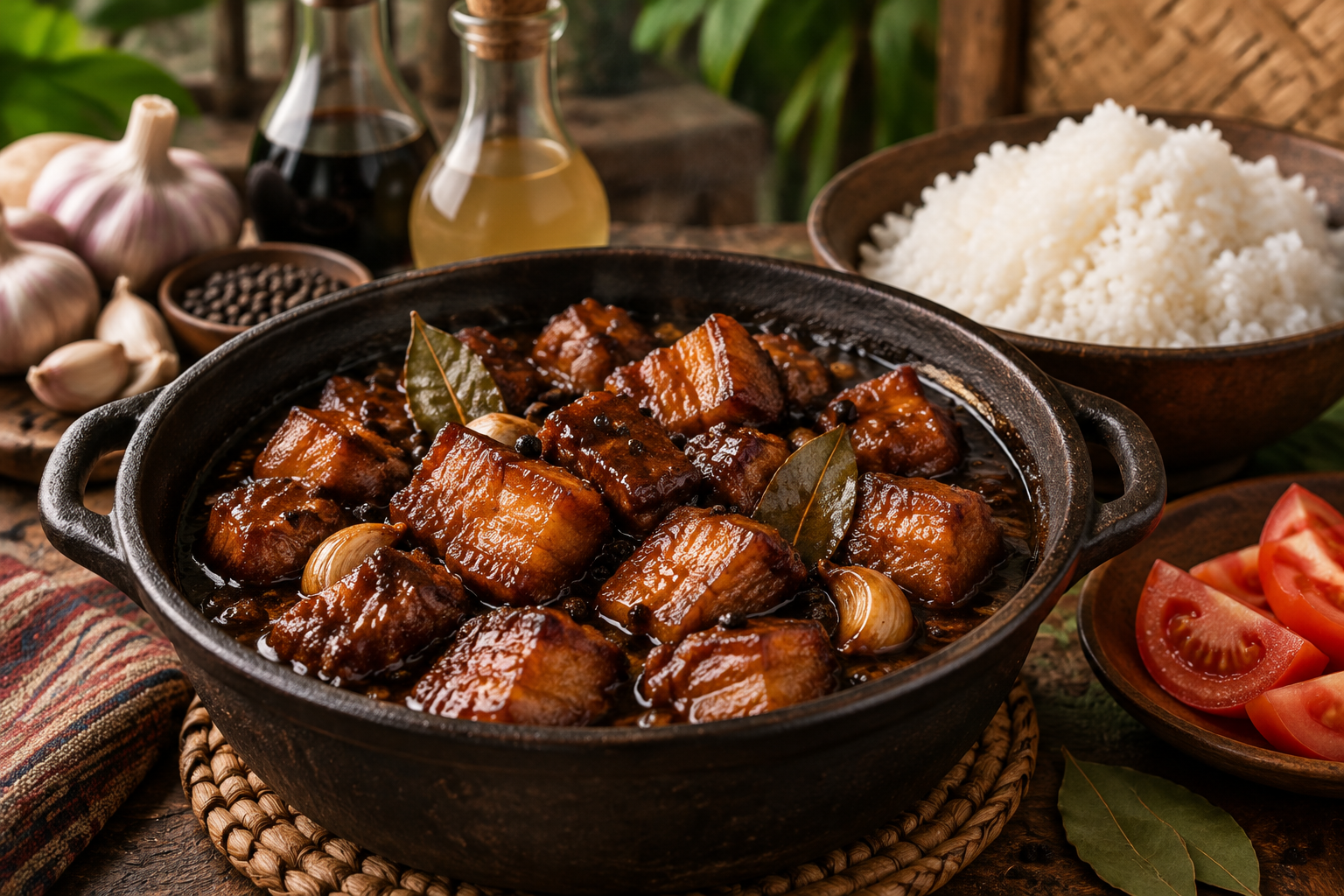
Adobo is another dish that frequently appears at Filipino celebrations, even though it is often served on regular days as well. This dish consists of meat (usually chicken or pork) marinated in soy sauce, vinegar, garlic, and spices, then slow-cooked until tender. The combination of salty, sour, and umami flavors makes Adobo an unforgettable dish that’s loved by all.
Filipino main dishes during celebrations are not just meals; they represent the heart of Filipino hospitality and culture. Whether it’s the show-stopping Lechon, the comforting Kare-Kare, or the festive Pancit, each dish carries with it a piece of the Filipino tradition that makes every celebration special.