Smoking continues to be a major health challenge in the Philippines despite years of public campaigns, warning labels, and stricter tobacco policies. The reason is simple but serious: tobacco use is addictive, socially visible, and deeply connected to routine. For many smokers, cigarettes are tied to stress, work breaks, social gatherings, or emotional coping. Over time, however, this habit can damage the body in ways that are difficult to reverse.
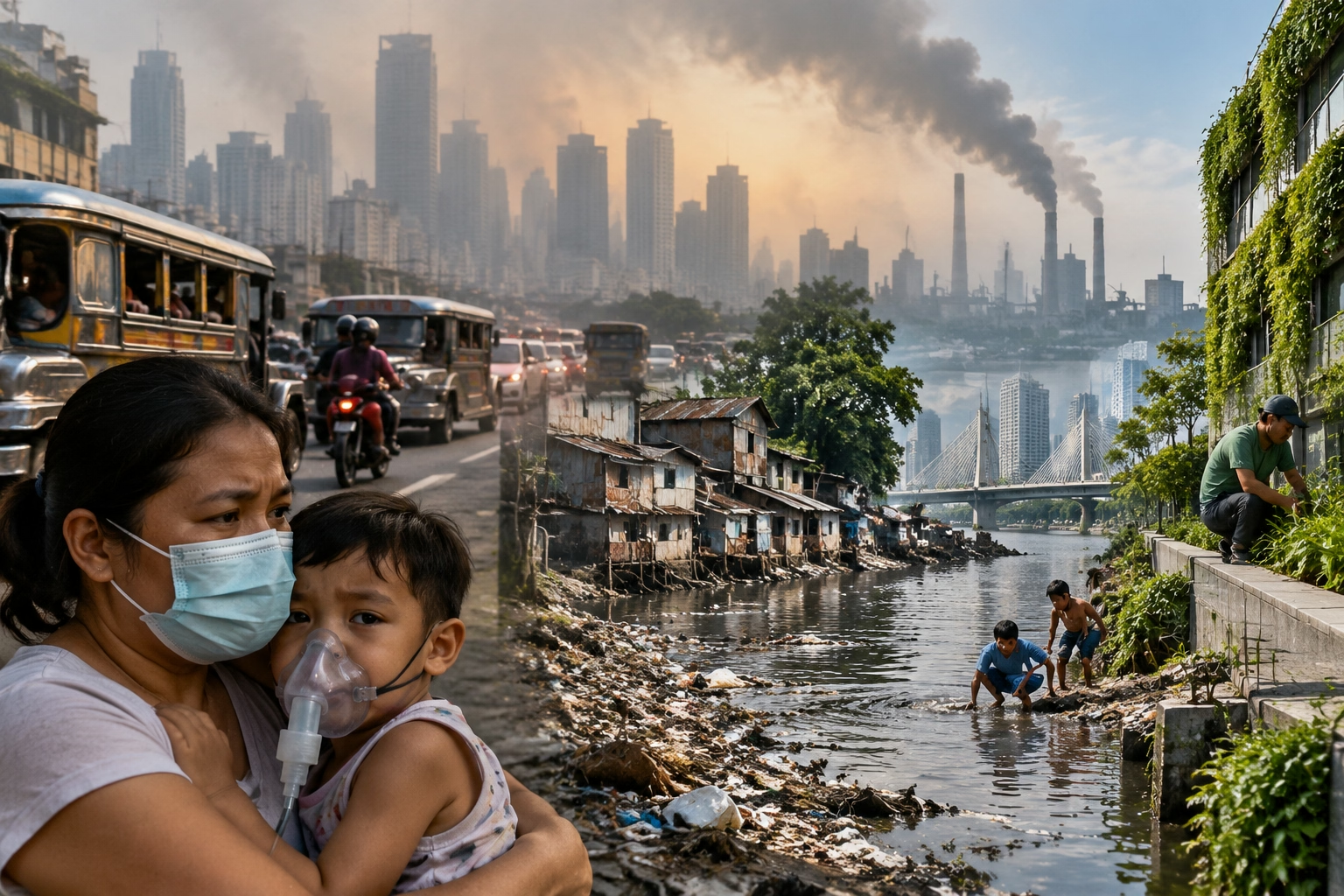
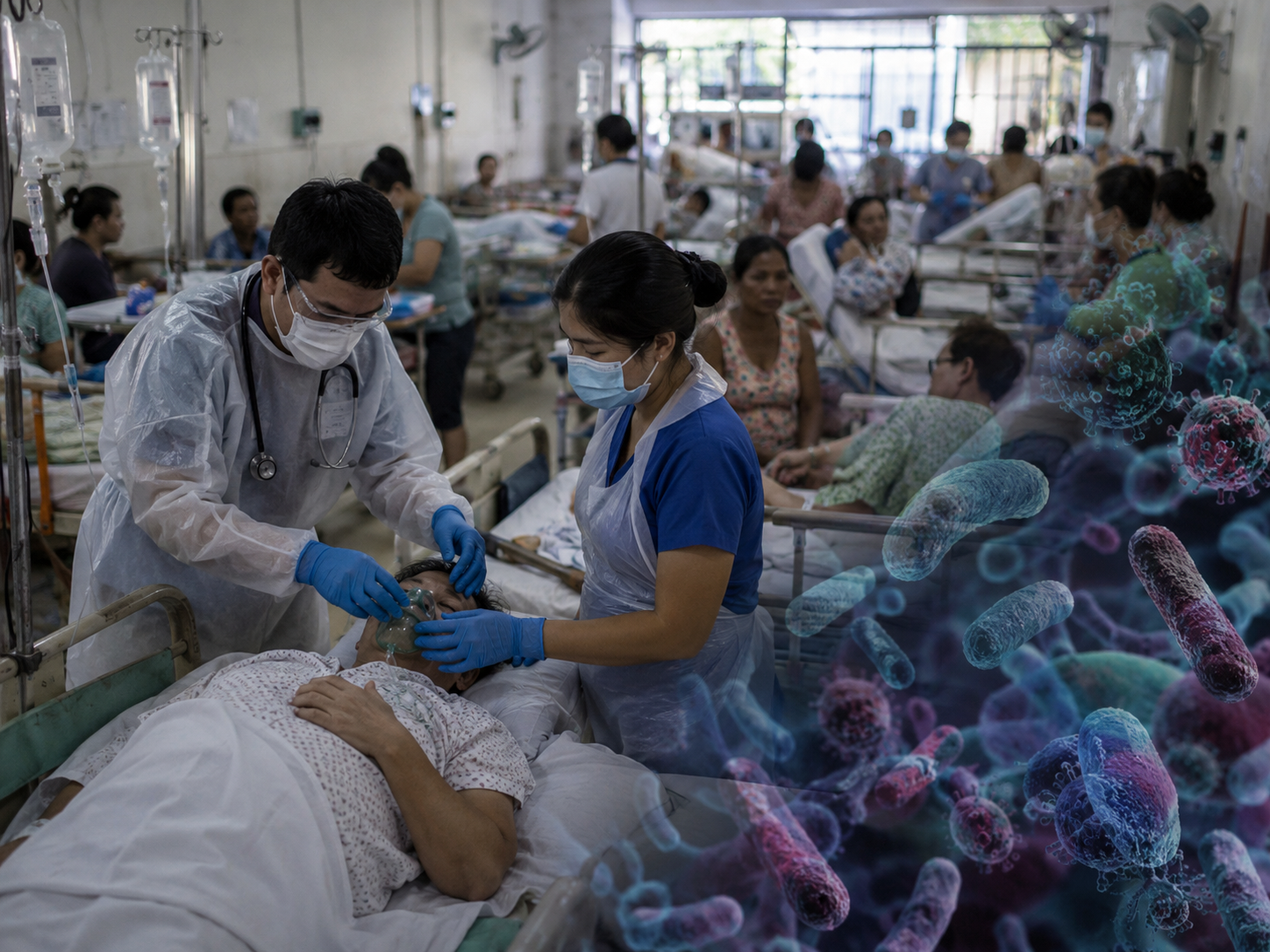
The lungs are among the first organs affected. Each cigarette exposes the respiratory system to toxic substances that inflame airways and reduce the lungs’ ability to function properly. Smokers may start with occasional coughing or shortness of breath, but long-term exposure can lead to chronic bronchitis, emphysema, and lung cancer. In a tropical country where respiratory infections, pollution, and crowded living conditions can already affect breathing, smoking adds another layer of risk.
The heart also suffers. Cigarette smoke harms blood vessels, raises blood pressure, and reduces oxygen delivery in the body. These effects can increase the risk of heart attack and stroke. Many Filipinos may not immediately connect smoking with cardiovascular disease because lung cancer is usually the better-known danger. Yet heart-related complications are among the most serious outcomes linked to tobacco use.
Nicotine addiction makes the problem more difficult. Nicotine can create dependence by affecting brain chemicals related to pleasure, focus, and mood. A smoker may want to stop but feel irritable, anxious, restless, or distracted when trying to quit. This is why health experts often recommend support systems, counseling, quit plans, and sometimes medical assistance rather than relying on willpower alone.
Smoking also affects daily life in practical ways. It can reduce stamina, worsen oral health, stain teeth, affect skin appearance, and contribute to persistent bad breath. For workers in physically demanding jobs, reduced lung capacity can make tasks more exhausting. For parents, smoking can create health risks for children through secondhand smoke exposure at home or in shared spaces.
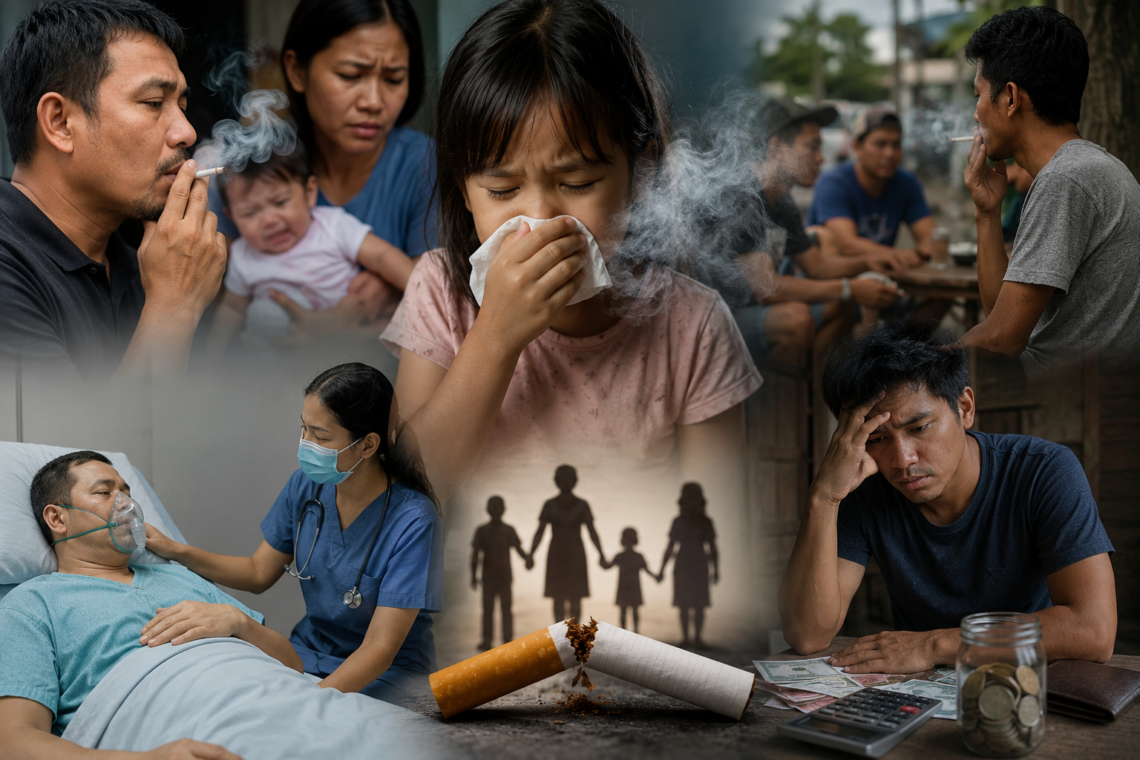
Secondhand smoke remains a major concern in the Philippines. Even when someone does not smoke directly, inhaling smoke from others can increase health risks. Children exposed to tobacco smoke may suffer more frequent respiratory symptoms, while adults with existing health problems may experience worse outcomes. This is why smoke-free homes, offices, schools, and transport areas are important for public protection.
Government action has helped change the public conversation. Tobacco taxes, graphic health warnings, and smoke-free policies have made cigarettes less socially invisible. These measures can discourage young people from starting and encourage current smokers to reconsider the habit. However, policy alone cannot solve the issue. Community attitudes, peer influence, and access to cessation help matter just as much.
The rise of vaping and heated tobacco products adds another challenge. Some people view these products as less harmful alternatives, but nicotine dependence remains a concern, especially among youth. Public health officials continue to emphasize that preventing addiction is easier than treating it after it becomes part of daily life.
The future of tobacco control in the Philippines depends on education, enforcement, and compassion. Smokers need accurate information and realistic support, not shame. Non-smokers need protection from involuntary exposure. Young people need clear messages before nicotine becomes normalized. When families and communities understand the full health impact of smoking, the path toward a healthier Philippines becomes more achievable.