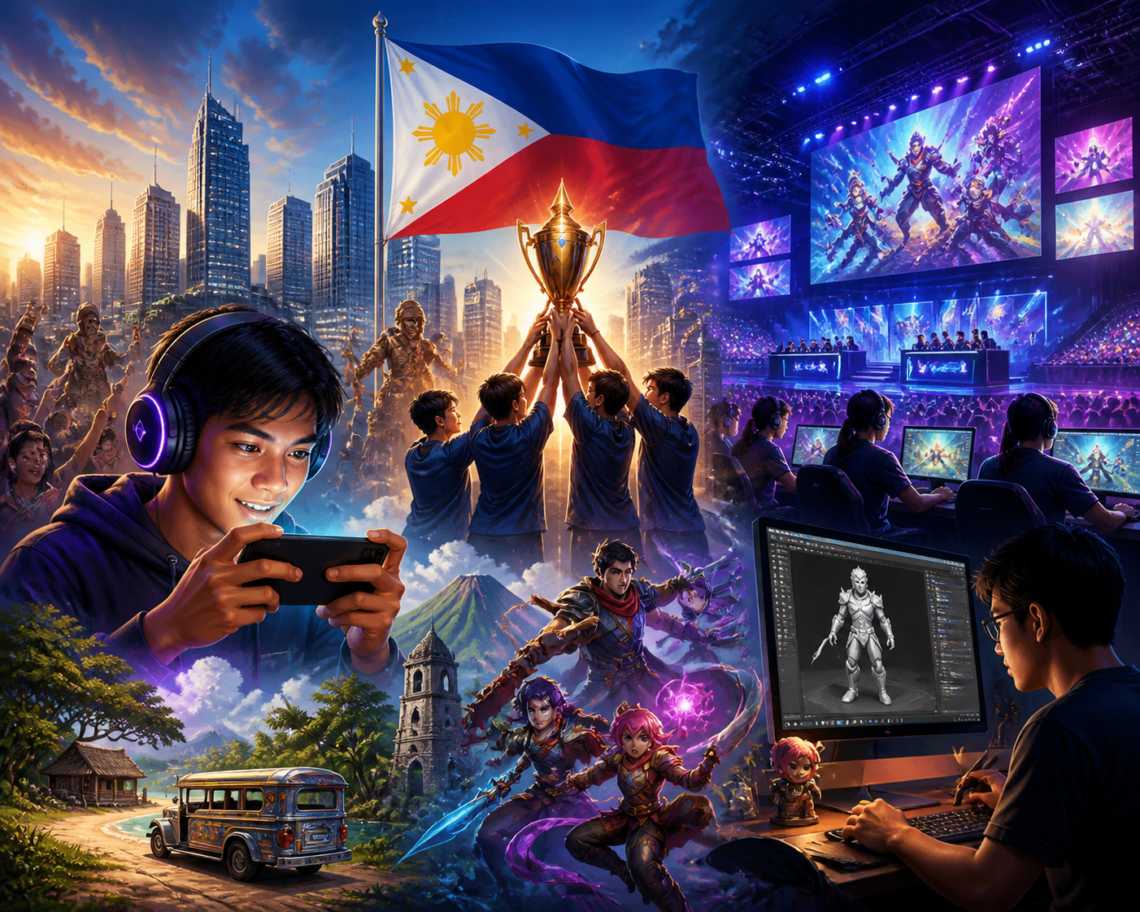
In recent years, the gaming industry in the Philippines has rapidly expanded, transforming the country into a prominent player in the Southeast Asian market. With a massive population of young, tech-savvy individuals, the Philippine gaming market is a hotbed for both new opportunities and emerging trends. As global companies recognize the potential of the Philippine market, the local gaming sector continues to evolve, offering exciting prospects for game developers, investors, and players alike.
Mobile Gaming as a Key Driver
Mobile gaming has become the cornerstone of the Philippine gaming landscape. With the proliferation of affordable smartphones and improved internet infrastructure, mobile games have become the go-to choice for millions of Filipinos. The ease of accessibility, combined with the growing popularity of multiplayer online games, has led to mobile gaming’s dominance.
Games like Mobile Legends, Call of Duty: Mobile, and Clash Royale are enjoyed by a diverse range of players, from casual gamers to dedicated esports competitors. The free-to-play model, which allows players to enjoy games for free while offering in-game purchases, has proven to be particularly lucrative for developers and has contributed to the growth of the industry.
The Role of Local Game Developers
Local game developers in the Philippines are gaining traction both at home and abroad, contributing to the country’s growing reputation as a hub for game creation. The rise of indie game studios in the Philippines has resulted in the development of unique games that cater to Filipino culture and experiences. These local games not only entertain but also showcase the creativity and innovation of Philippine game developers.
In addition, several Filipino developers have made a name for themselves on the global stage, participating in international game development contests and partnerships. The government has played an important role in fostering this growth, offering support through various initiatives aimed at encouraging innovation and collaboration in the gaming space.
Esports as a Growing Trend
Esports has quickly gained momentum in the Philippines, with the country becoming one of the top destinations for competitive gaming in the region. Major esports tournaments attract large audiences, both offline and online, with esports teams and organizations becoming an integral part of the country’s gaming culture. Local heroes, such as TNC Predator and Execration, have garnered international recognition, further elevating the profile of Philippine esports.
The rise of esports has led to increased investments in gaming infrastructure, such as professional gaming arenas and dedicated training centers. With esports events becoming mainstream, there is a growing interest in gaming careers, with players, coaches, analysts, and streamers finding lucrative opportunities in this rapidly evolving space.
Overcoming Challenges to Growth
Despite the exciting prospects, the Philippine gaming industry faces a number of challenges. One of the major hurdles is the country’s inconsistent internet infrastructure. Although internet connectivity has improved in urban areas, many rural locations still struggle with slow speeds and unreliable connections, which can affect the gaming experience, especially in competitive environments.
Additionally, there is a need for more skilled professionals in game development and design. While the demand for gaming content continues to rise, the lack of a trained workforce poses a challenge for local developers looking to scale their operations. It is essential for educational institutions and industry players to collaborate in developing training programs to address this gap.