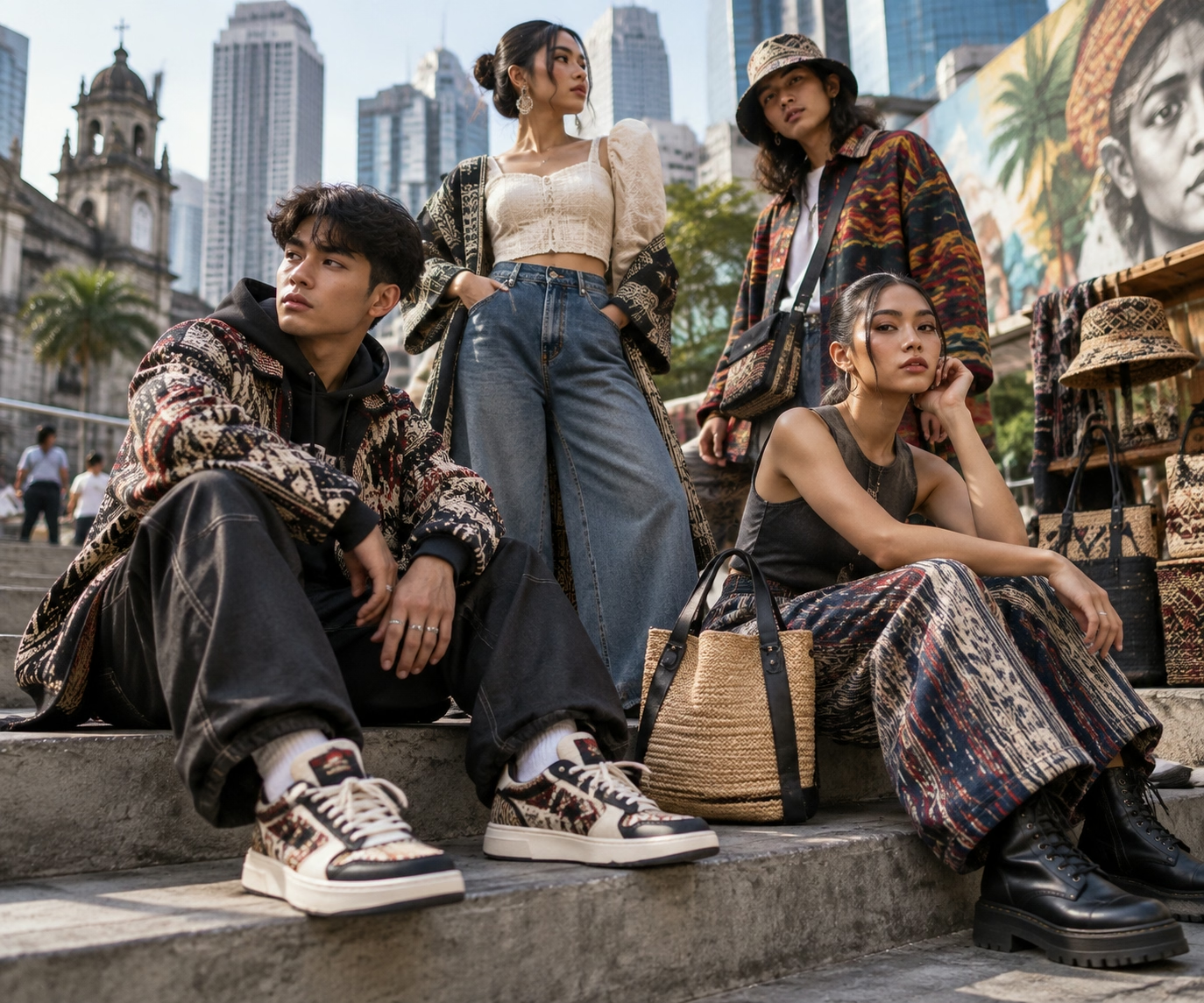

Manila’s street style borrows generously from the city’s kinetic surfaces: chrome bumpers, peeling posters, pastel walls sun-faded to perfection. This translation shows up in reflective taping on jackets, mirror-finish sunglasses, and silver jewelry layered over basic tees. The climate frames choices—vented shirts, mesh panels at the back, and perforated sneakers that breathe in high humidity. Oversized fits make sense; they create shade and airflow, and their drape catches wind, animating garments as you walk.
Color stories track the commute. Morning outfits lean bright and alert—citrus socks, cobalt sling bags—while evening wardrobes pivot to smoked neutrals and metallic flashes that catch bar signage and traffic lights. Graphics nod to the city’s visual clutter: route numbers, stencil fonts, hand-painted store signs, and religious iconography subtly screen-printed on heavyweight cotton. Aesthetics aren’t purely decorative; reflective strips double as safety on dim streets, and quick-dry fabrics shorten the time between a sudden shower and the next stop.
The engine of individuality is thrifting. Ukay racks carry everything from 90s windbreakers to military surplus. Locals customize: they crop jackets to ribcage length, swap buttons for seashell ones, and patch elbows with contrasting camo. Neighborhood tailors are collaborators, tapering trousers, lifting hems, and reinforcing seams for daily wear. Visible mending—contrasting thread repairs and sashiko-inspired stitching—adds character and extends garment life.
Utility is a major trope. Crossbody bags keep phones, cash cards, and reusable cutlery within reach, while carabiners clip water bottles to belt loops. Monsoon gear is integrated: ultralight umbrellas, waxed caps, and roll-top backpacks that shrug off rain. On the feet, Manila favors grippy outsoles and foam cushioning. Chunky dad sneakers anchor wide pants; rubber clogs and sandals handle flooded curbs; leather loafers appear for office afternoons, often worn sockless for breathability.
Neighborhoods shape looks. Divisoria’s market energy inspires bargain-smart layering—mesh over tees, vests over dresses. Escolta’s creative scene leans heritage-modern: pleated trousers, Cuban collars, and loafers with modern socks. BGC’s sidewalks feature techwear-lite—seam-bonded jackets and drawstring trousers in matte black or slate. Poblacion rides nightlife: chain details, satin slips over tees, and metallic micro-bags that fit just a card and lip balm.
Cultural echoes tie it all together. The Barong’s sheer elegance appears as organza overshirts; embroidery migrates to pockets and collars; pearl strands rest against sports jerseys, blurring formal and casual. Gender lines are fluid: skirts over shorts, lace with cargos, masc frames with delicate jewelry. Manila’s street style is design thinking in motion—iterative, resourceful, and tuned to the city’s rhythms—transforming jeepney chrome and postered walls into wearable, weatherproof stories.