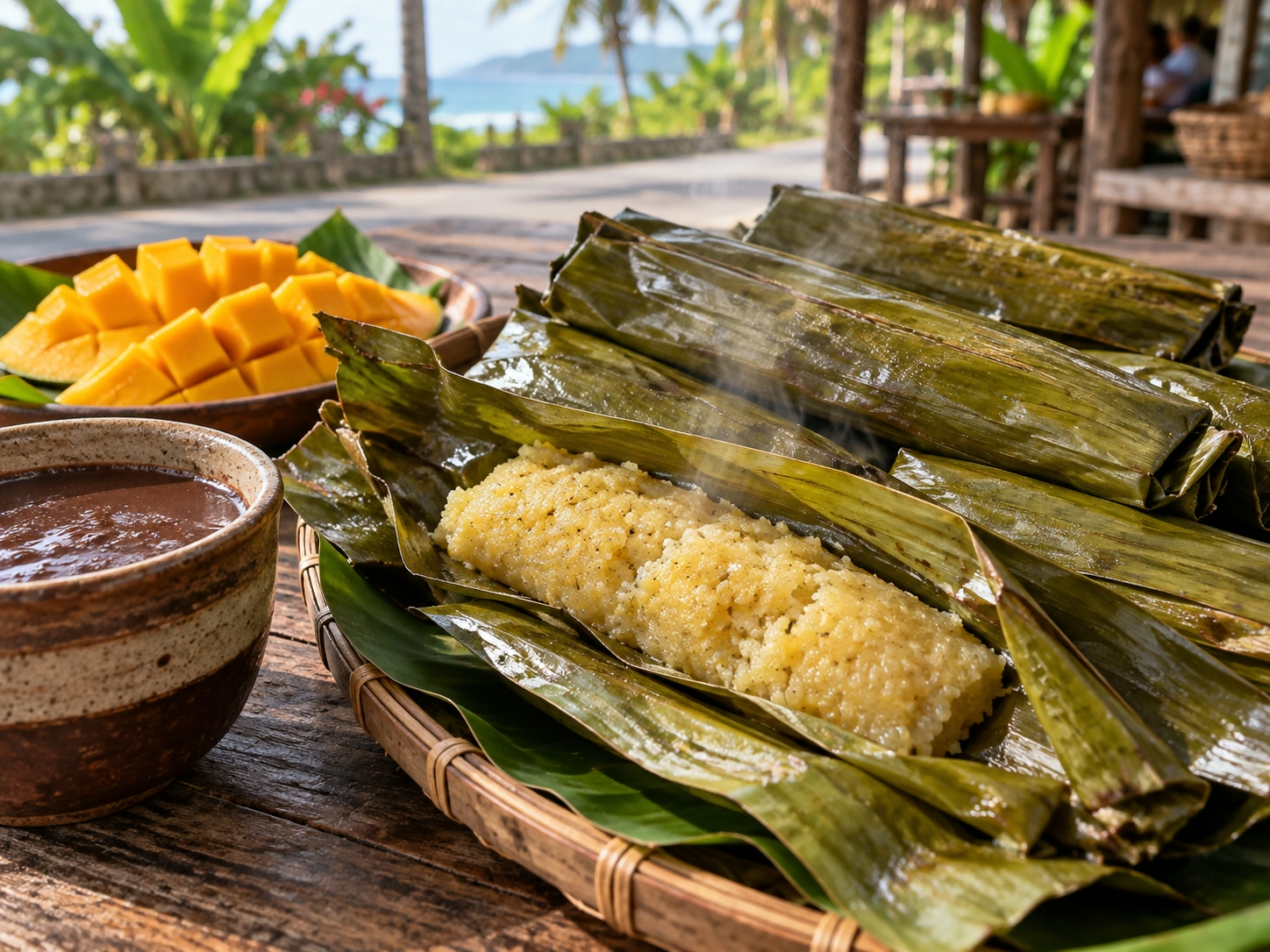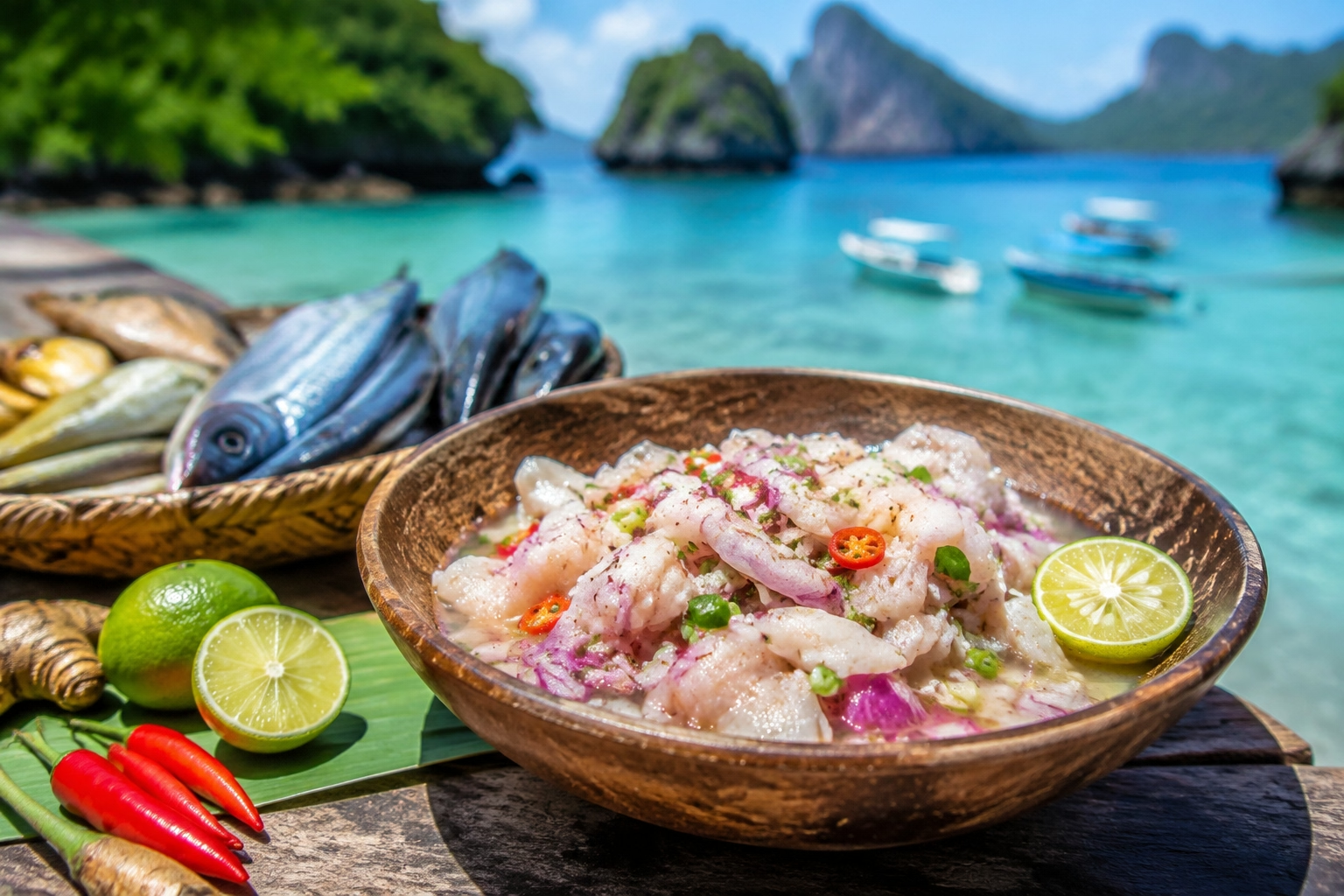
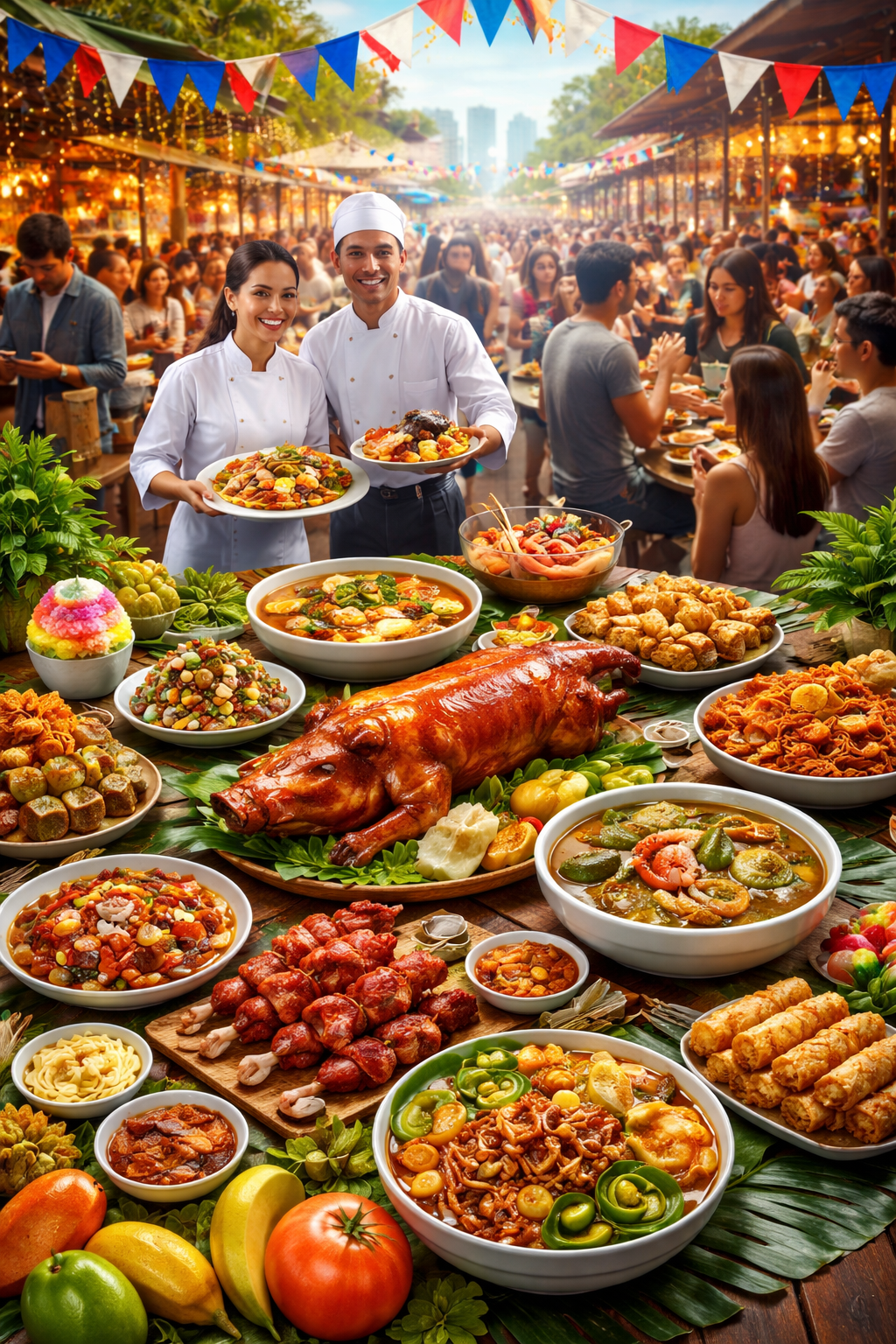
Filipino cuisine, once largely unknown to international food enthusiasts, has recently experienced a surge in recognition and popularity. Over the past few years, dishes from the Philippines have begun to earn their rightful place on the global culinary stage, thanks to their complex flavors, rich cultural heritage, and the efforts of dedicated Filipino chefs.
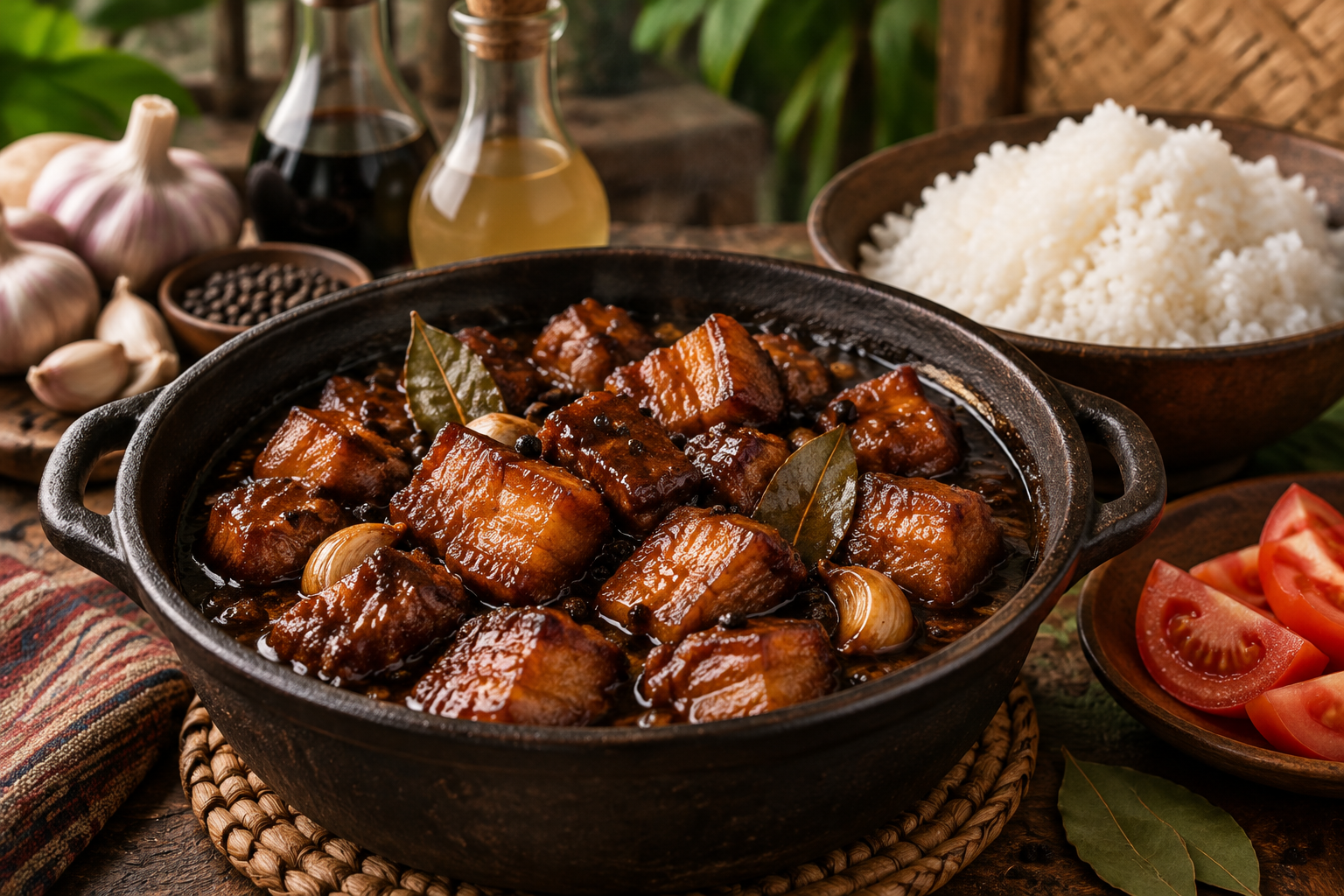
The distinct flavors of Filipino cuisine play a significant role in its rise to international fame. Unlike many other Asian cuisines that emphasize a singular taste, Filipino dishes incorporate a variety of flavors in one meal. This balance of sweet, salty, sour, and bitter is evident in dishes like adobo, a flavorful stew of marinated meat with vinegar and soy sauce, and sinigang, a sour tamarind soup served with pork or shrimp. This multifaceted flavor profile sets Filipino food apart, capturing the attention of food critics and lovers worldwide.
The rise of Filipino chefs and restaurateurs in the global food scene has also been crucial to the success of Filipino cuisine. Chefs like Margarita Fores and Claude Tayag have been instrumental in introducing Filipino flavors to the international community. By adding modern twists to traditional dishes, these chefs have made Filipino food more appealing and approachable to a diverse range of people. Their restaurants, which feature both traditional and contemporary Filipino fare, have garnered critical acclaim and widespread popularity, helping Filipino food gain greater recognition in cities around the world.
The global recognition of Filipino food can also be attributed to the increasing number of Filipino restaurants opening worldwide. In cities like New York, San Francisco, and London, Filipino eateries are becoming an essential part of the culinary landscape. Whether it’s a small mom-and-pop restaurant serving up lumpia and pancit or a trendy fusion spot offering innovative takes on classic dishes, Filipino food is capturing the imaginations of foodies around the world. These restaurants not only introduce Filipino food to new customers but also create spaces for Filipino culture to be celebrated through its vibrant dishes.
In addition to the restaurant scene, the explosion of Filipino food content on social media has played a significant role in bringing Filipino cuisine to global attention. YouTube chefs, food bloggers, and Instagram influencers have been sharing Filipino recipes, cooking techniques, and restaurant reviews, which has helped spread awareness about Filipino food. The engaging visuals of Filipino dishes, often colorful and intricately presented, are perfect for platforms like Instagram, which has allowed these dishes to go viral and reach a wider audience.
Moreover, Filipino cuisine’s rich history and cultural significance give it a depth that resonates with people worldwide. Many of the dishes have roots in centuries-old traditions, with flavors and techniques influenced by the country’s colonial history, from Spanish to Chinese to American. Dishes like bicol express, made with coconut milk and chilies, or kare-kare, a peanut-based stew, reflect this multicultural blend, offering a taste of the Philippines’ diverse cultural fabric.
With its bold flavors, diverse offerings, and growing presence in the global food scene, Filipino cuisine is poised to become a mainstay in international gastronomy. As more people experience Filipino food, its international profile will continue to rise, paving the way for even greater appreciation and recognition of this dynamic culinary tradition.