
The global fashion industry is undergoing a significant transformation, with an increasing number of designers and consumers seeking sustainable alternatives. In the Philippines, this shift is evident in the rise of eco-conscious fashion, driven by local designers who are using their creativity to make a positive impact on the environment. Sustainable fashion in the Philippines is rooted in a deep commitment to environmental preservation, ethical production, and supporting local communities.
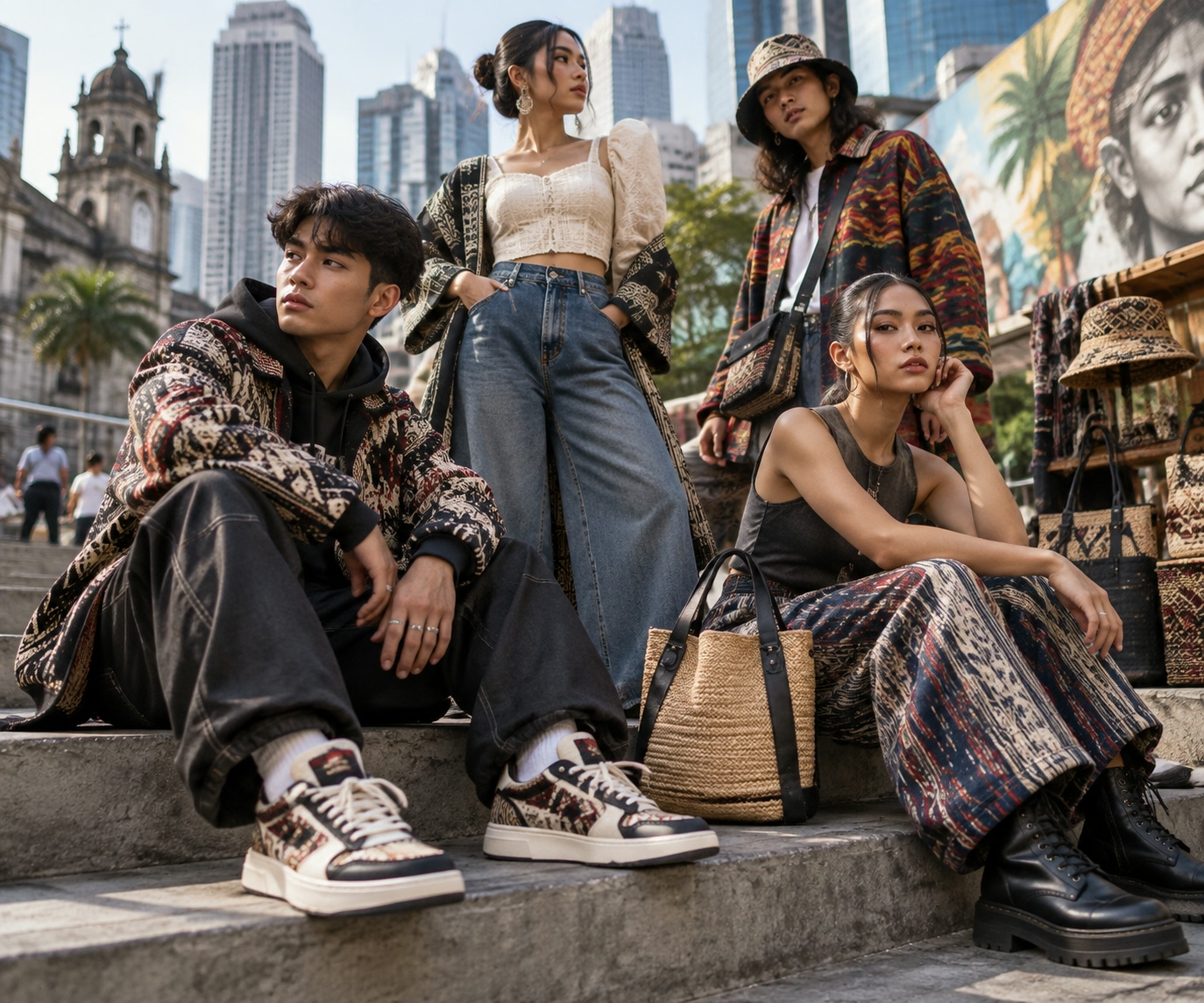
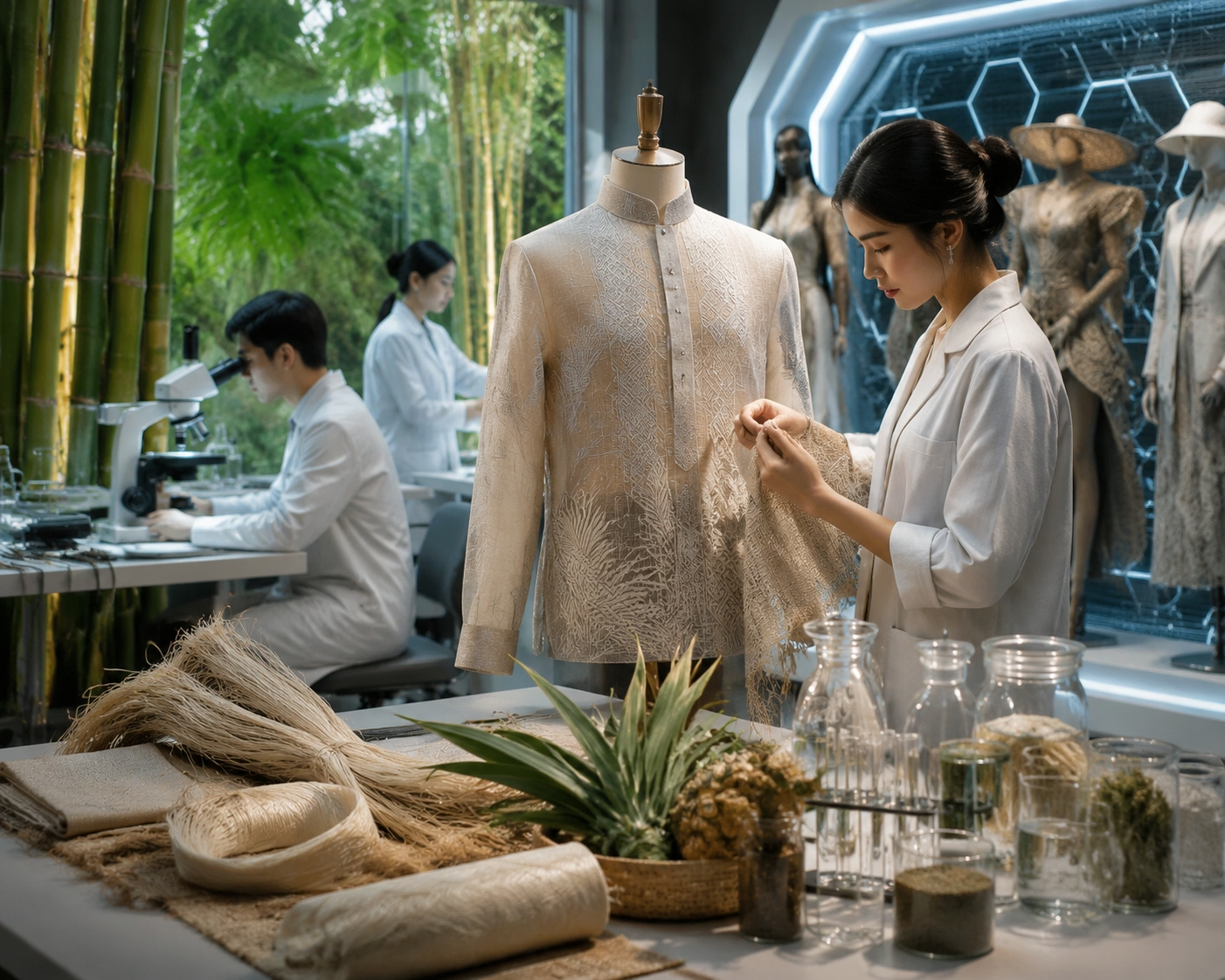
Filipino designers are increasingly turning to sustainable materials such as organic cotton, hemp, and recycled fibers to create innovative and stylish pieces. These materials are grown or processed in ways that have minimal impact on the environment, reducing the carbon footprint of production. Designers are also exploring the use of indigenous fibers like piña (pineapple leaf fibers), which is both sustainable and biodegradable. These natural materials are not only eco-friendly but also help preserve Filipino culture and heritage by showcasing traditional weaving techniques.
A notable shift in the Philippine fashion landscape is the rise of “slow fashion,” a philosophy that prioritizes quality over quantity. Slow fashion encourages consumers to invest in durable, timeless pieces that won’t contribute to the cycle of overconsumption that characterizes fast fashion. By promoting a more thoughtful approach to clothing, slow fashion aims to reduce waste, lower production costs, and create more ethical working conditions for garment workers.
Another significant component of sustainable fashion in the Philippines is the focus on reducing waste. Many Filipino brands are actively embracing upcycling and recycling, turning discarded clothing and materials into new fashion items. This practice helps minimize textile waste and provides an innovative solution to the growing problem of landfills filled with discarded garments. Local brands such as Rags2Riches have made a name for themselves by producing beautiful, high-quality accessories from upcycled materials, thereby reducing the environmental impact of textile production.
One of the most exciting aspects of sustainable fashion in the Philippines is its focus on empowering local communities. Many Filipino designers are collaborating with rural artisans, supporting their livelihoods by providing fair wages and sustainable employment opportunities. Through these collaborations, designers not only ensure that their collections are ethically produced but also help preserve traditional craftsmanship and heritage.
The impact of sustainable fashion in the Philippines is also being amplified by consumer demand. As awareness of environmental issues increases, more Filipinos are making conscious choices to support brands that align with their values. The growing popularity of eco-friendly fashion events, like the Philippine Fashion Week, highlights the rising interest in sustainable fashion, providing designers with a platform to showcase their eco-conscious creations.
The future of fashion in the Philippines looks increasingly promising, as the combination of creativity, social responsibility, and environmental awareness continues to shape the industry. Filipino designers are leading the charge toward a more sustainable future, proving that fashion can be both beautiful and environmentally responsible.