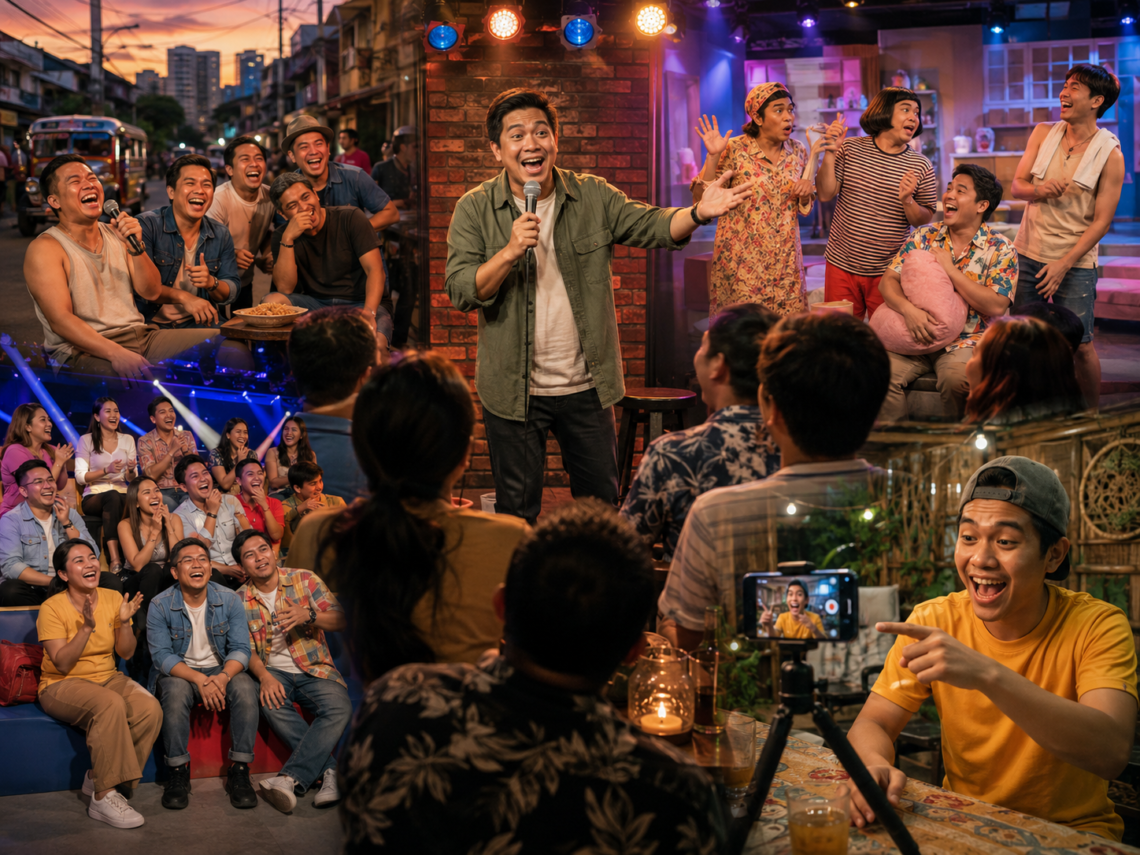
Comedy in the Philippines has a long and meaningful place in the nation’s popular culture. It is not limited to jokes or funny performances; it is a way of expressing identity, criticism, emotion, and social observation. Filipino comedy often reflects the realities of ordinary people. It can be silly and exaggerated, but it can also be sharp, emotional, and deeply connected to real life.
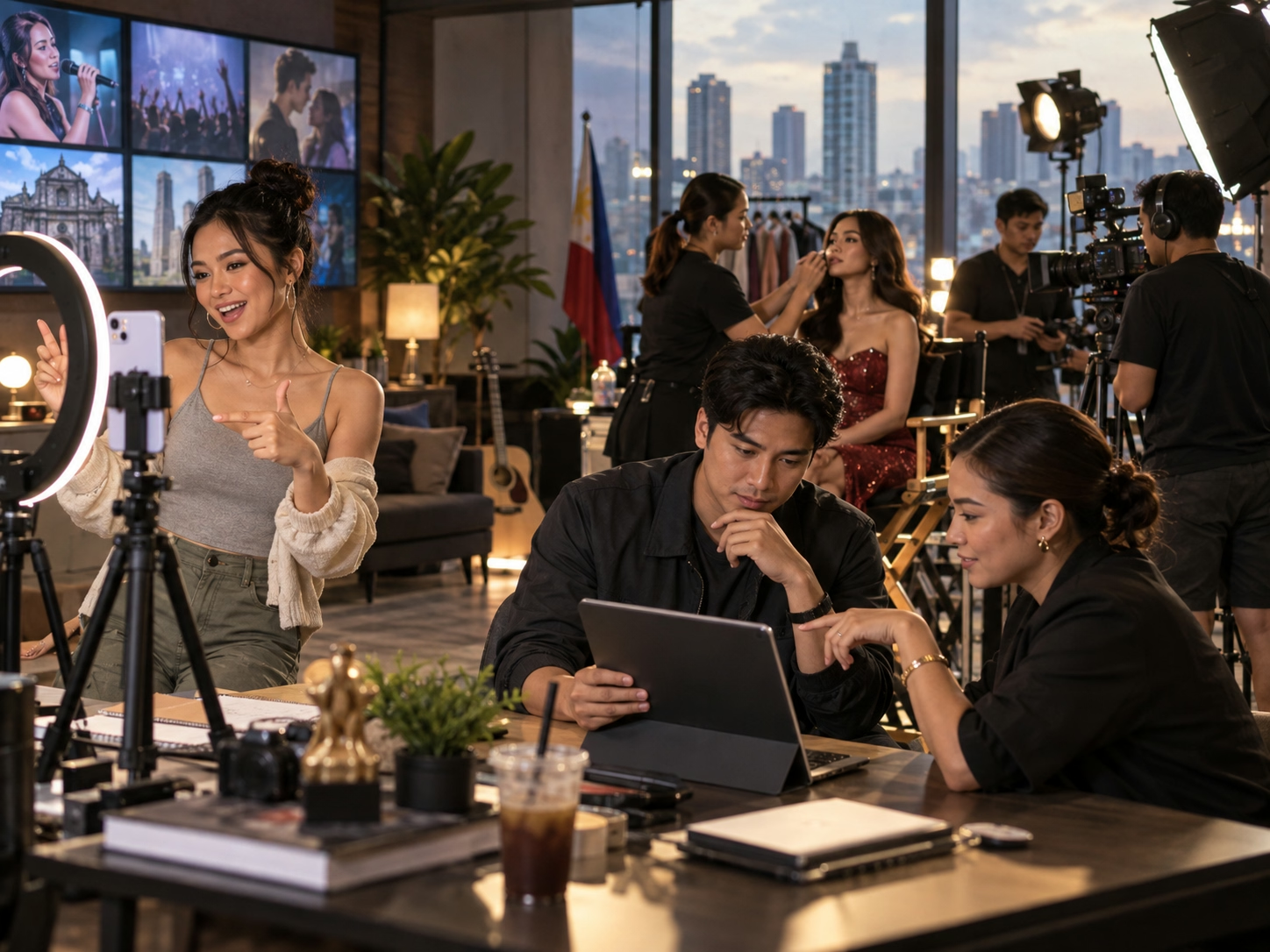
Many Filipino comedians build their careers through a combination of talent, persistence, and adaptability. The entertainment industry in the Philippines rewards performers who can do several things at once. A comedian may begin as a stage performer, then move into television, film, online content, radio, or hosting. Because audiences enjoy lively and personal interaction, comedians must develop strong timing, confidence, and the ability to read a crowd.
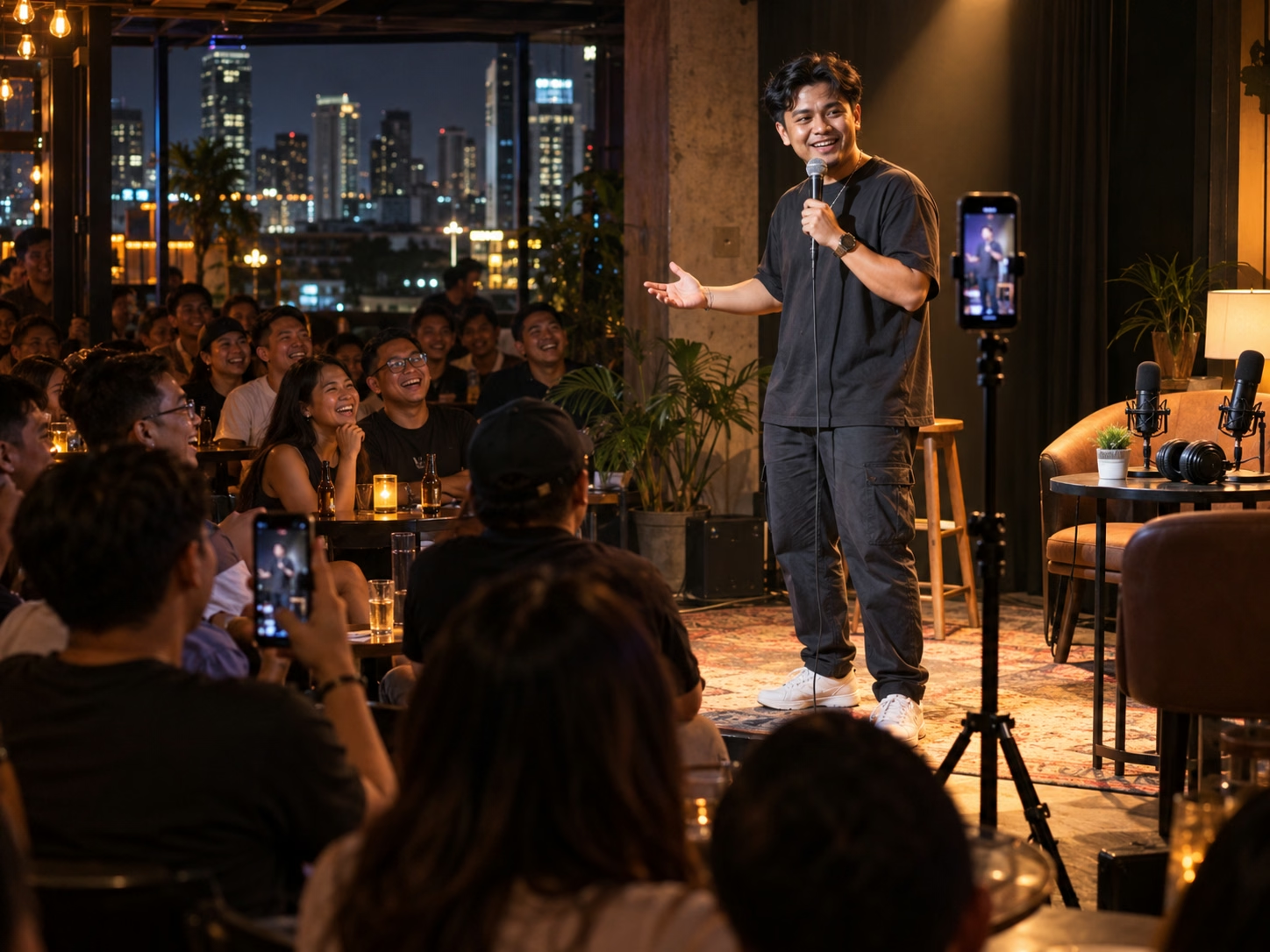
Live performance remains one of the strongest foundations of Filipino comedy. Comedy bars have produced performers who are skilled in improvisation, crowd work, impersonation, and musical comedy. In these spaces, comedians learn how to turn audience reactions into part of the show. This direct connection with viewers is one reason Filipino comedians often appear warm, spontaneous, and conversational.
In Philippine comedy history, Dolphy stands as a central figure. His roles often showed simple people dealing with complicated lives. He became loved because his humor did not feel cruel; it was often gentle, human, and full of heart. His sitcoms and films created a model for comedy that combined laughter with family values and social awareness.
Vic Sotto also became one of the most successful comedy personalities in the country. His work in television and film, especially in family-oriented comedy and fantasy-comedy movies, made him popular across generations. Michael V. brought a different strength to the industry through sketch writing, parody, and character comedy. His work on “Bubble Gang” showed how comedy could respond quickly to advertising trends, music, celebrity culture, and social behavior.
Vice Ganda became one of the most prominent modern Filipino comedians by bringing comedy bar energy into mainstream media. Known for quick remarks, playful teasing, and expressive delivery, Vice Ganda built a career across stand-up, television, film, and hosting. This shows how Filipino comedy has evolved from traditional sitcoms to more direct, personality-driven humor.
Several shows have become landmarks in Filipino comedy. “John en Marsha” is remembered for its humorous portrayal of family life, especially the challenges of marriage, money, and household authority. “Home Along Da Riles” used the setting of a poor family living near train tracks to create humor that was both entertaining and socially meaningful. It showed that comedy could represent poverty without removing dignity from its characters.
“Bubble Gang” remains one of the most important sketch comedy programs in the Philippines. Its sketches, parodies, and recurring segments helped audiences laugh at media culture, politics, romance, and daily habits. Variety and noontime shows, including “Eat Bulaga!” and “It’s Showtime,” also became important comedy platforms because of their live format. Hosts and comedians must react instantly, making the humor feel fresh and unpredictable.
The rise of digital media has opened new doors for Filipino comedians. Platforms such as YouTube, TikTok, and Facebook allow creators to reach audiences without traditional television support. This has made comedy more democratic and diverse. Regional accents, local customs, and specific community experiences can now become part of mainstream online humor.
Filipino comedy continues to thrive because it understands its audience. It uses laughter to talk about family, hardship, love, ambition, and survival. Its most successful performers are not only funny; they are observant storytellers who know how to turn everyday Filipino life into entertainment.