Long before modern theaters and large-scale festivals became popular, indigenous communities across the Philippines developed their own forms of performing arts to preserve history, communicate beliefs, and strengthen social connections. These traditions include ritual dances, epic storytelling, traditional music, and ceremonial performances passed from one generation to another.
Indigenous performing arts remain one of the most important expressions of Filipino identity because they represent the experiences of communities that have maintained cultural practices despite modernization. Each performance carries historical knowledge about nature, spirituality, agriculture, relationships, and community values.
The Philippines is home to numerous indigenous peoples, including the T’boli, Ifugao, Maranao, B’laan, Aeta, and various Lumad groups in Mindanao. Their artistic traditions demonstrate the cultural diversity that exists beyond the country’s mainstream entertainment industry.
The National Commission for Culture and the Arts (NCCA) continues documenting indigenous traditions through cultural research and preservation programs to ensure these practices remain accessible for future generations.
Source: https://ncca.gov.ph/
Traditional Dance as a Symbol of Community and Identity
The T’boli People and the Meaning Behind Movement
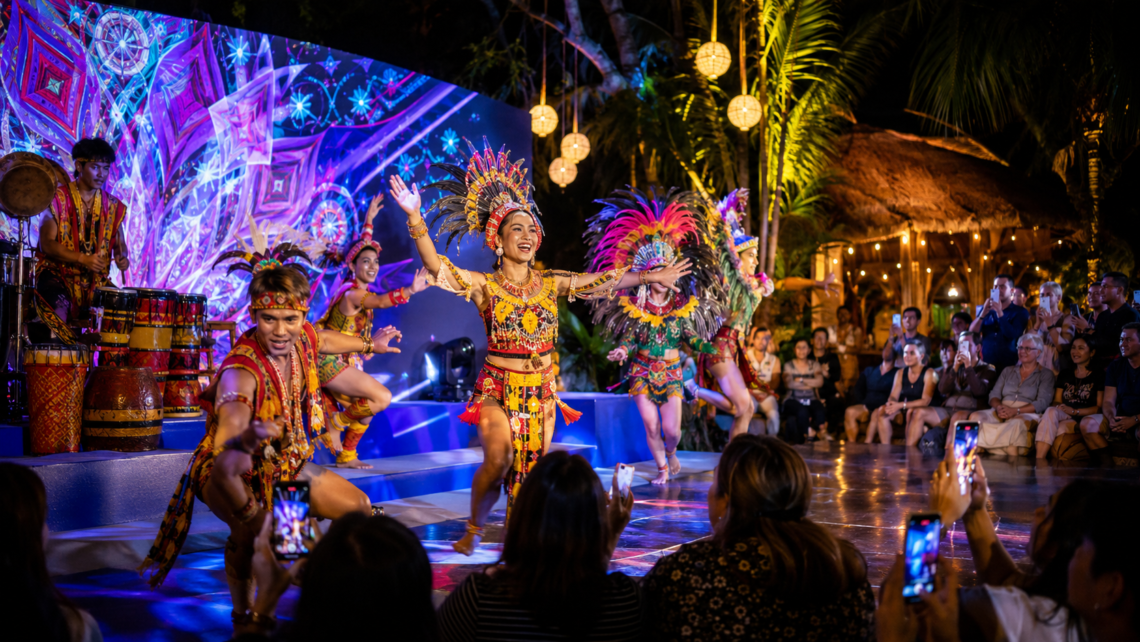
Among the most recognized indigenous performances in the Philippines are the traditional dances of the T’boli people from South Cotabato. Their dances often reflect relationships between humans, nature, and the spiritual world.
T’boli performances are closely connected with their traditional music and instruments, particularly the kulintang, agung, and bamboo instruments. Movements are carefully developed to represent daily activities, celebrations, and cultural beliefs.
For the T’boli community, dance is not simply a performance designed for audiences. It is a cultural language that communicates ancestral stories and reinforces community identity.
One important cultural figure associated with T’boli heritage is the late Lang Dulay, a National Living Treasure recognized for preserving the traditional T’nalak weaving culture. Her work demonstrates how indigenous artistic expressions are interconnected, with music, storytelling, textiles, and performances representing a shared cultural system.
Source: https://ncca.gov.ph/about-culture-and-arts/culture-profile/gamaba/
Indigenous Music Preserves Historical Knowledge
Traditional Instruments Carry Generations of Stories
Music plays a central role in indigenous Filipino performances. Traditional instruments are often created from locally available materials and are closely connected to the environment where communities live.
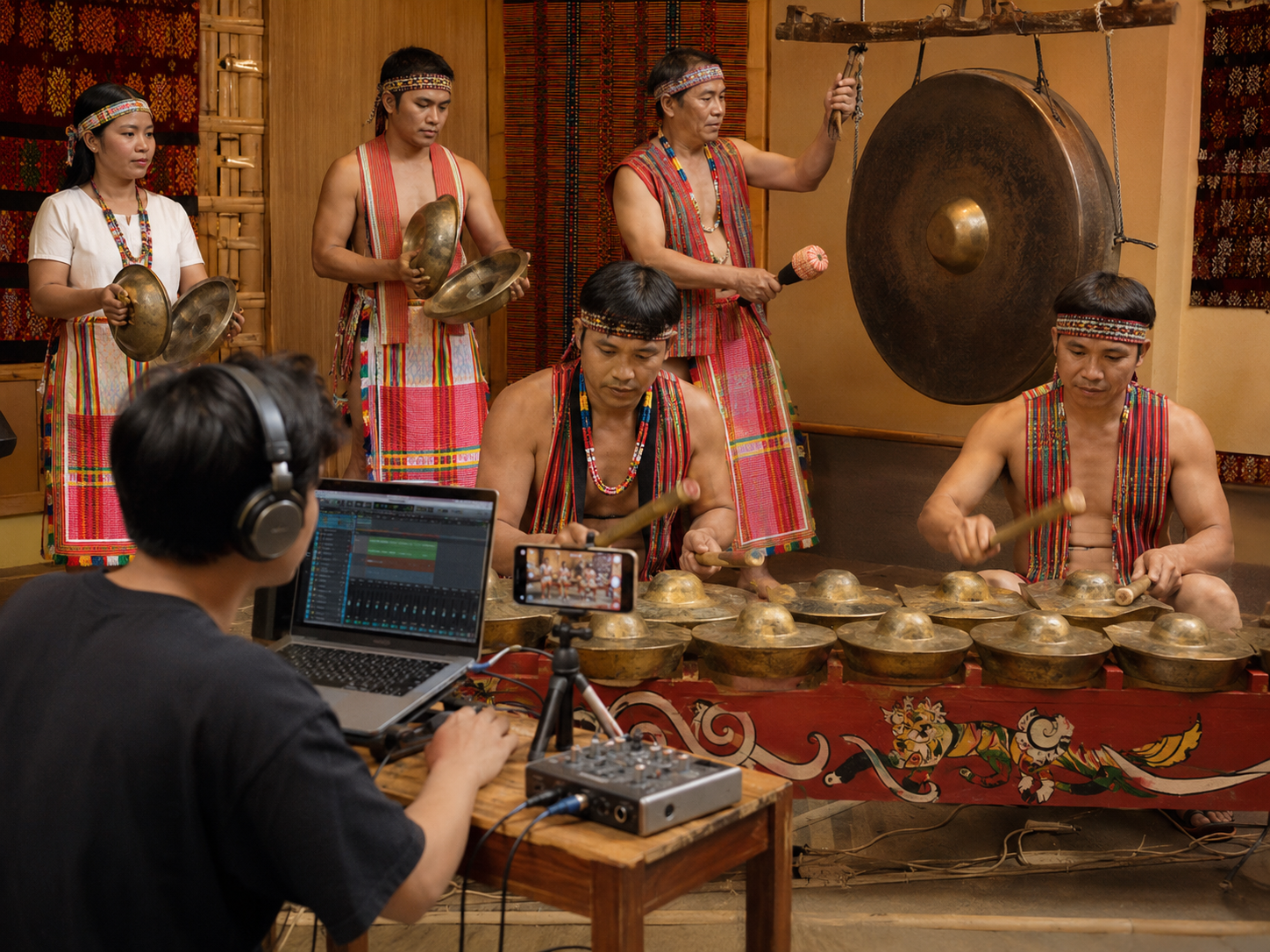
The Maranao people of Mindanao, for example, are known for the kulintang ensemble, which features a collection of small bossed gongs played in rhythmic patterns. These performances are commonly presented during celebrations, ceremonies, and important community events.
The musical traditions of indigenous groups demonstrate sophisticated artistic systems developed without relying on written musical notation. Knowledge is transferred through observation, practice, and direct teaching from elders to younger generations.
UNESCO recognizes the importance of safeguarding intangible cultural heritage, emphasizing that traditional knowledge requires active community participation to survive.
Source: https://ich.unesco.org/
Cultural Challenges Facing Indigenous Performances Today
Balancing Preservation and Modern Development
Although indigenous performing arts remain valuable, many communities face challenges in maintaining these traditions. Younger generations may become less connected to ancestral practices due to urban migration, changing lifestyles, and limited access to cultural education.
Some cultural organizations have responded by creating workshops, school programs, and community-based performances that encourage young people to learn traditional arts.
However, cultural experts emphasize that preservation should respect indigenous ownership. Traditional performances should not become merely commercial attractions without recognizing their original meanings and the communities that protect them.
This issue has become increasingly important as cultural tourism expands in the Philippines. Visitors are showing greater interest in authentic indigenous experiences, but responsible tourism practices are necessary to ensure communities benefit directly.
Digital Platforms Create New Opportunities for Indigenous Artists
Technology is providing indigenous performers with new methods to share their traditions. Social media platforms, online cultural archives, and digital storytelling projects allow indigenous artists to introduce their heritage to international audiences.
Young indigenous creators are increasingly using digital tools to document traditional performances, interview elders, and promote cultural awareness. These efforts help prevent valuable knowledge from disappearing while creating new opportunities for cultural education.
Digital exposure also allows indigenous communities to control how their stories are presented, giving them greater influence over cultural representation.
Why Indigenous Performing Arts Remain Important for the Philippines
Indigenous Philippine performing arts represent more than historical traditions; they are active cultural systems that continue evolving with society. Through dance, music, and storytelling, indigenous communities preserve memories, values, and knowledge that define the country’s identity.
As the Philippines enters a more connected global era, protecting indigenous performances becomes essential. These artistic traditions remind audiences that culture is not only found in museums or historical documents but also in the living practices of communities today.