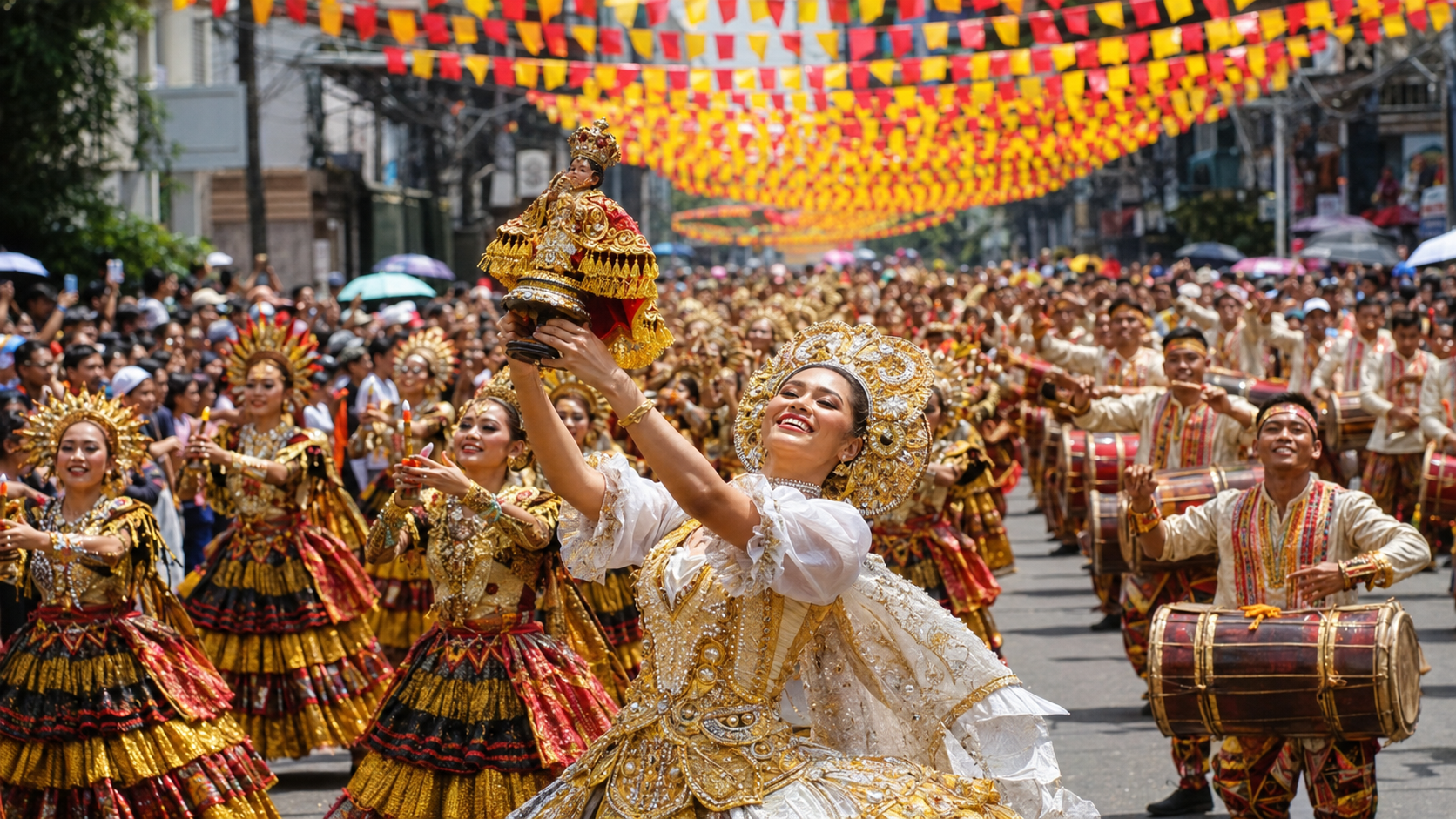
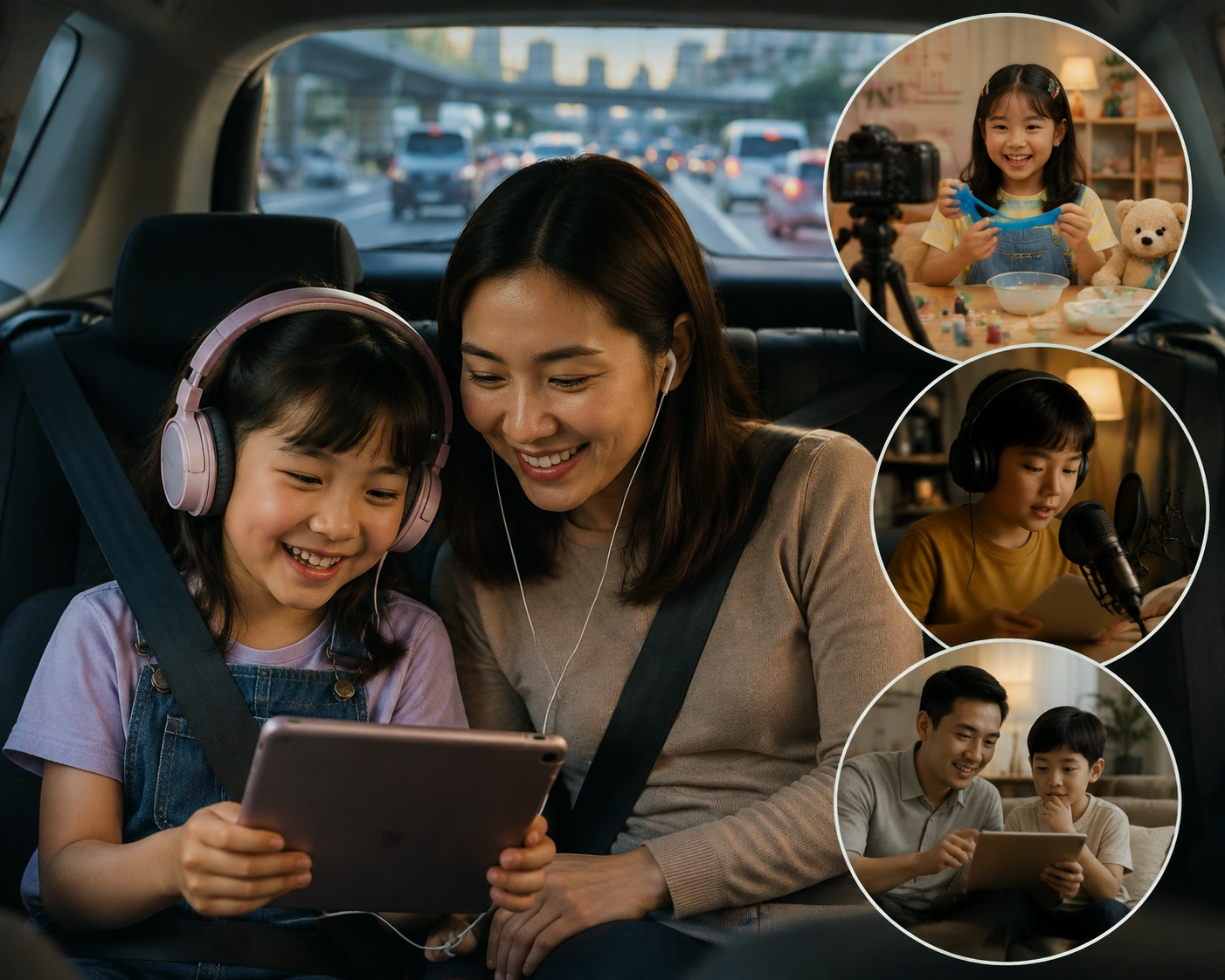
As the digital world becomes increasingly saturated, the children’s entertainment sector in the Philippines is seeing a surge in demand for offline and on-ground events. 2026 marks the peak of the revival of location-based entertainment (LBE), where parents strive to balance their children’s screen time with physical activity, socialization, and an appreciation of the performing arts.
The Phenomenon of Musical Theater and Stage Performances
The theater industry in Metro Manila, particularly at the Cultural Center of the Philippines (CCP) and major mall theaters, is in its golden age. Musical theater productions adapted from local and international characters are a magnet for young families.
Unlike previous years that only featured imported stories like Frozen or The Lion King, 2026 is witnessing the massive success of musical adaptations of local comics and characters created by Filipino illustrators. For example, stage shows featuring child-friendly adventures from the world of Trese or adaptations of popular local book series have been selling out for weeks.
This phenomenon shows that Filipino parents yearn to introduce cultural identity through the medium of performing arts. Ticket prices ranging from festival class to VIP make these shows accessible to the growing middle class.
Interactive Festivals and Educational Play Spaces
Beyond sitting quietly in cinemas or theaters, the “edutainment fair” trend is exploding in 2026. Major shopping malls like SM Malls and Ayala Malls are competing to host children’s festivals that combine play areas with science and art.
Events like the Kids Science Fair or Art Attack Festival not only provide entertainment stages but also booths where children can learn to make eco-friendly slime, program simple robots, or paint with natural materials. Child psychologists consider this concept highly effective because it combines motor, cognitive, and emotional stimulation in a single session.
Impact on the Creative Economy
This development has created a significant multiplier effect for Micro, Small, and Medium Enterprises (MSMEs) in the Philippines. Local illustrators, educational toy makers, and performing artists are gaining new platforms. Local governments in cities like Davao and Iloilo are also allocating special funds to hold annual children’s festivals as a domestic tourism attraction.
The revival of live events confirms that human touch, social interaction, and sensory experience can never be fully replaced by artificial intelligence. For Filipino children in 2026, the best entertainment is when they can watch, move, laugh, and learn simultaneously in the real world.