The Death of the “Resort-Only” Garment
Traditional resortwear had a simple brief: look appropriate near water, then change for dinner. The contemporary traveler—particularly the premium leisure segment that Filipino brands are courting—rejects this binary. A garment that only functions poolside is a garment that occupies suitcase space without earning its place.
The most commercially astute Filipino resortwear labels have internalized this shift. Simonita, a Manila-based line launched by designer Katya Lichauco, explicitly positions its pieces for “beachside brunches and seaside sunsets” as well as “late night cocktails at the city’s rooftop bars” . The design language—easy silhouettes, breathable natural fabrics, understated detailing—is engineered for versatility rather than occasion-specificity. This is not a marketing nicety. It is a direct response to how the premium travel consumer actually packs.
The Material Logic of Multi-Context Dressing
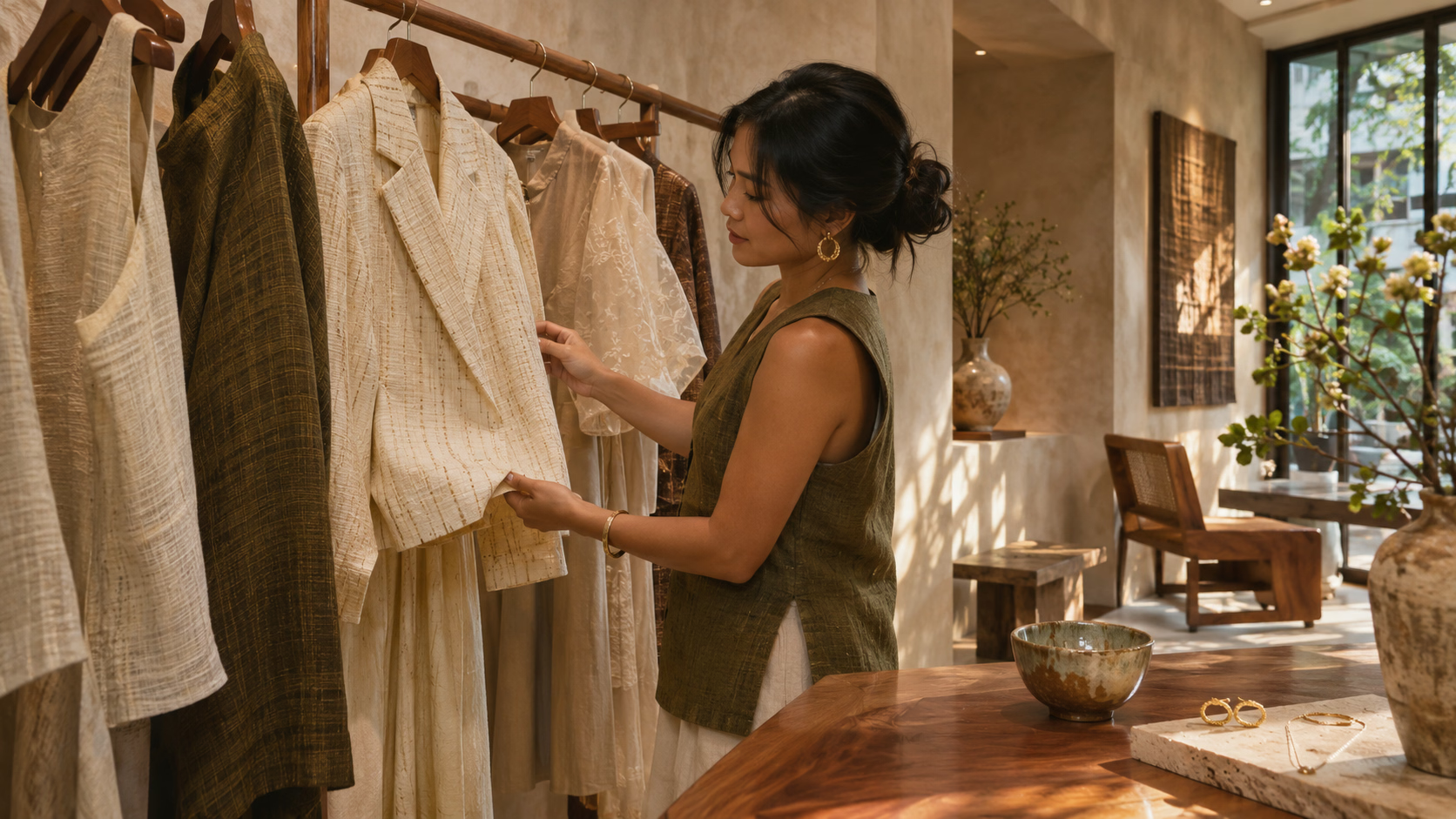
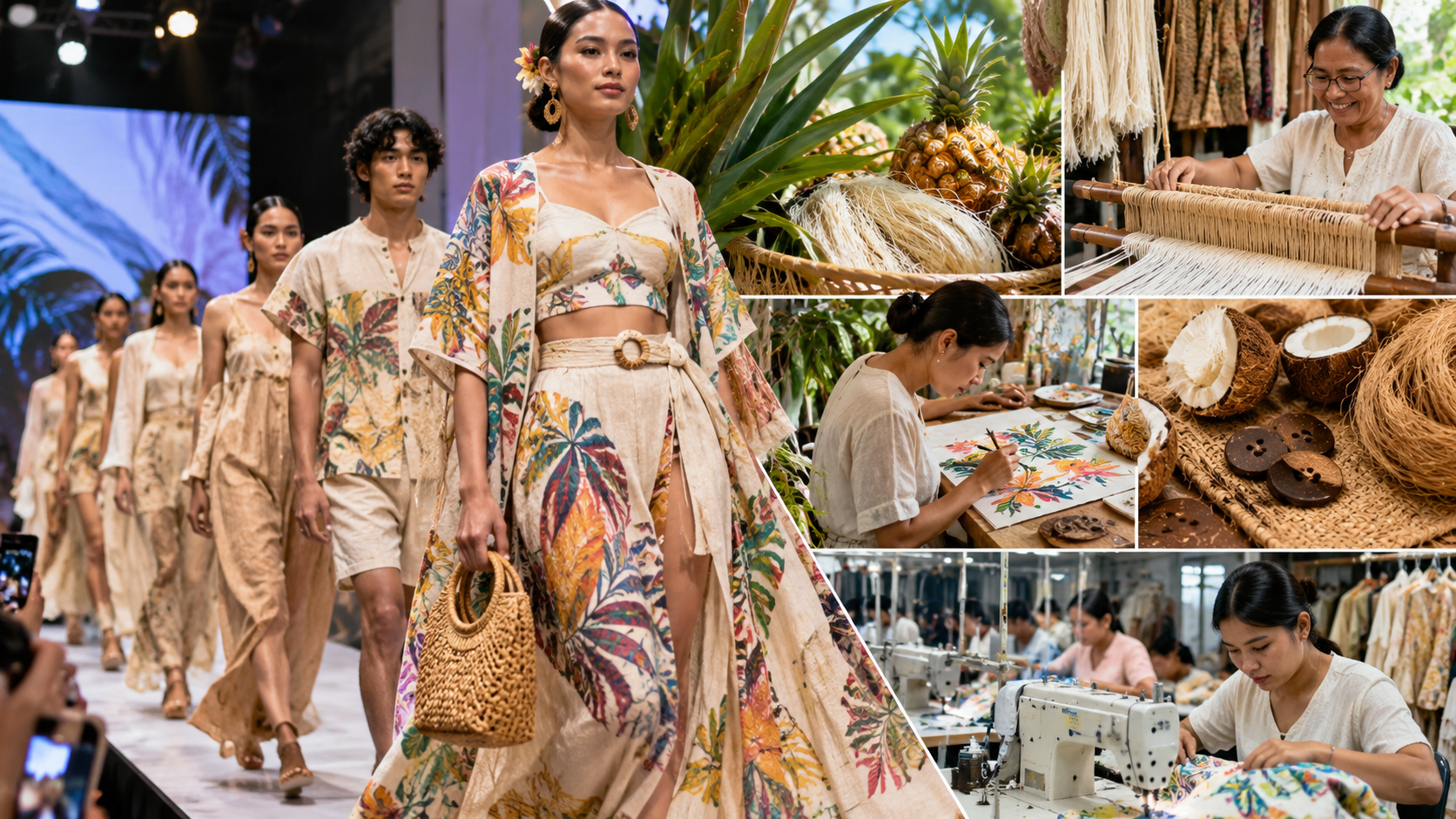
Versatility at the premium end is not achieved through design tricks alone. It requires material intelligence. Filipino resortwear’s material advantage—piña, cotton eyelets, lightweight weaves, and blended natural fibers—naturally supports garments that transition across climates and contexts.
At the Rakuten Fashion Week Tokyo presentation, the Philippine collection demonstrated how pineapple fiber could be blended with recyclable materials and digitally printed to create textiles suitable for streetwear silhouettes rather than conventional beachwear . The garments shown were not cover-ups or caftans. They were structured, contemporary pieces designed for an urban Japanese consumer who might wear them to a gallery opening in Manila or a weekend in Okinawa.
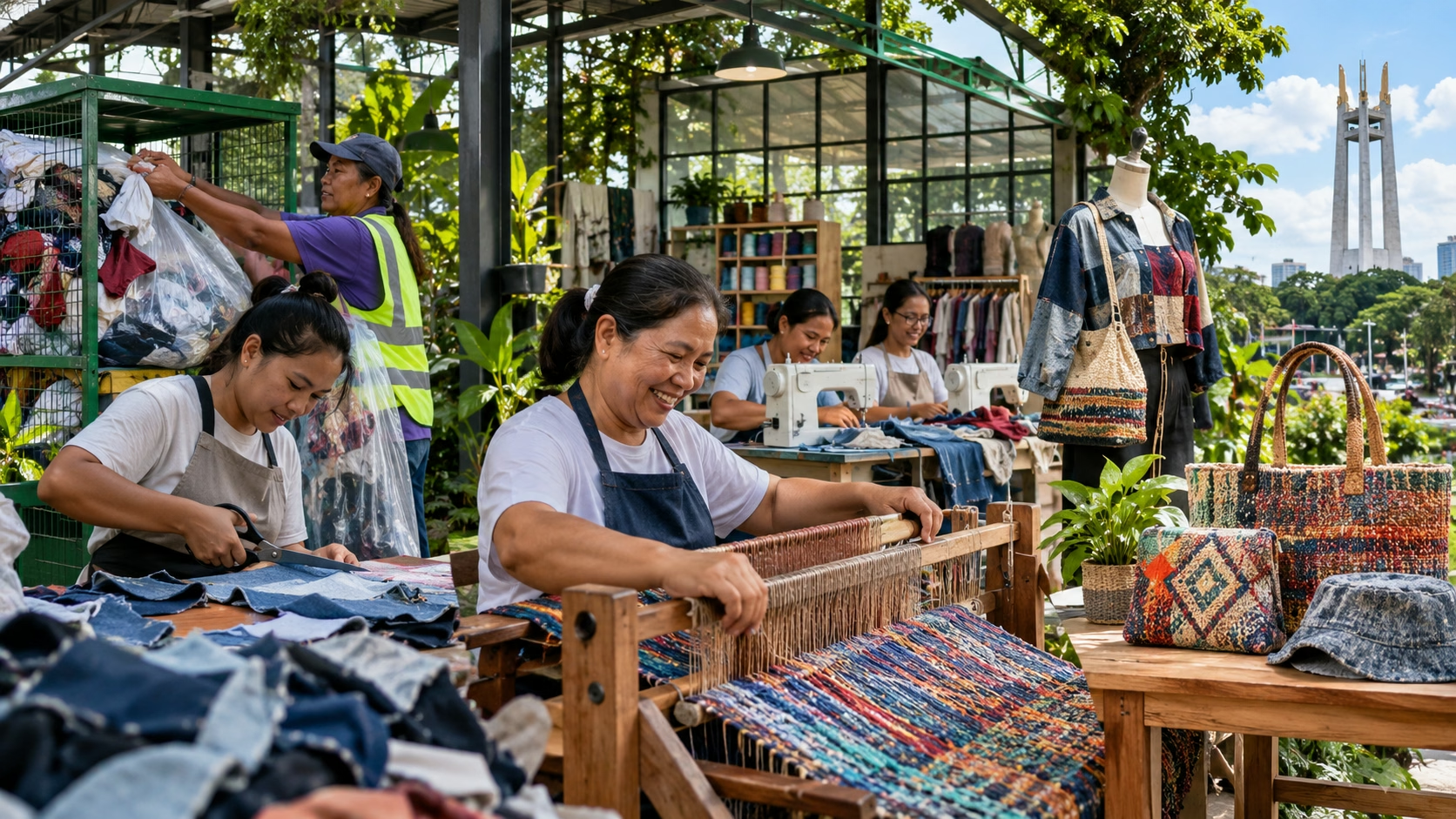
Orias, a Filipino brand approaching its tenth anniversary in 2026, has taken a more artisanal route to the same destination. Its “Punto de Vista” collection—described as “resort-city dressing reimagined for the contemporary tropicalist”—layers handmade crochet by Valenzuela single mothers against cotton eyelets and an avant-garde coated fabric . The tension between fragility and structure mirrors the dual contexts the garments are designed for: intimate dinners and confident public presence, resort ease and urban intention.
What the Global Market Gets Wrong About Tropical Fashion
International buyers and media often conflate “tropical” with “casual” or “colorful”—a legacy of the Hawaiian shirt paradigm that dominated resort retail for decades. The Filipino resortwear cohort is quietly dismantling this assumption.
The aesthetic emerging from Manila, Cebu, and the diaspora is more aligned with what Japanese and Scandinavian markets understand as “functional elegance”: restrained palettes, thoughtful construction, and materials that perform in heat and humidity without visual compromise. Simonita’s founder describes her design philosophy as drawing on “the slow, intentional way a cat moves through the world—curious and courageous, but calculated” . It is a useful metaphor for the garments themselves: relaxed in appearance, deliberate in engineering.
The Tourist Market Is Not the Target Market
A critical distinction separates resortwear 2.0 from the pasalubong economy. The domestic tourist seeking a souvenir t-shirt and the international premium consumer seeking a €250 resort shirt are not the same customer. Confusing them has historically trapped Filipino fashion brands in a low-margin, low-prestige segment.
The brands gaining international traction are explicitly avoiding this trap. Alta Bella’s positioning as “environmentally-conscious luxury” rather than “beachwear” ; Anmari’s emphasis on artisanal construction and sustainable materials rather than souvenir accessibility ; the Tokyo collection’s framing as “eco-luxury” rather than “tropical fashion” —each represents a deliberate category choice. The product may be designed for tropical contexts, but the market is global and the competitive set is luxury, not leisure.
This repositioning demands more than branding. It requires consistent quality, credible sustainability claims, and the operational discipline to fulfill orders on time. The creative foundation is in place. The commercial architecture is still under construction.