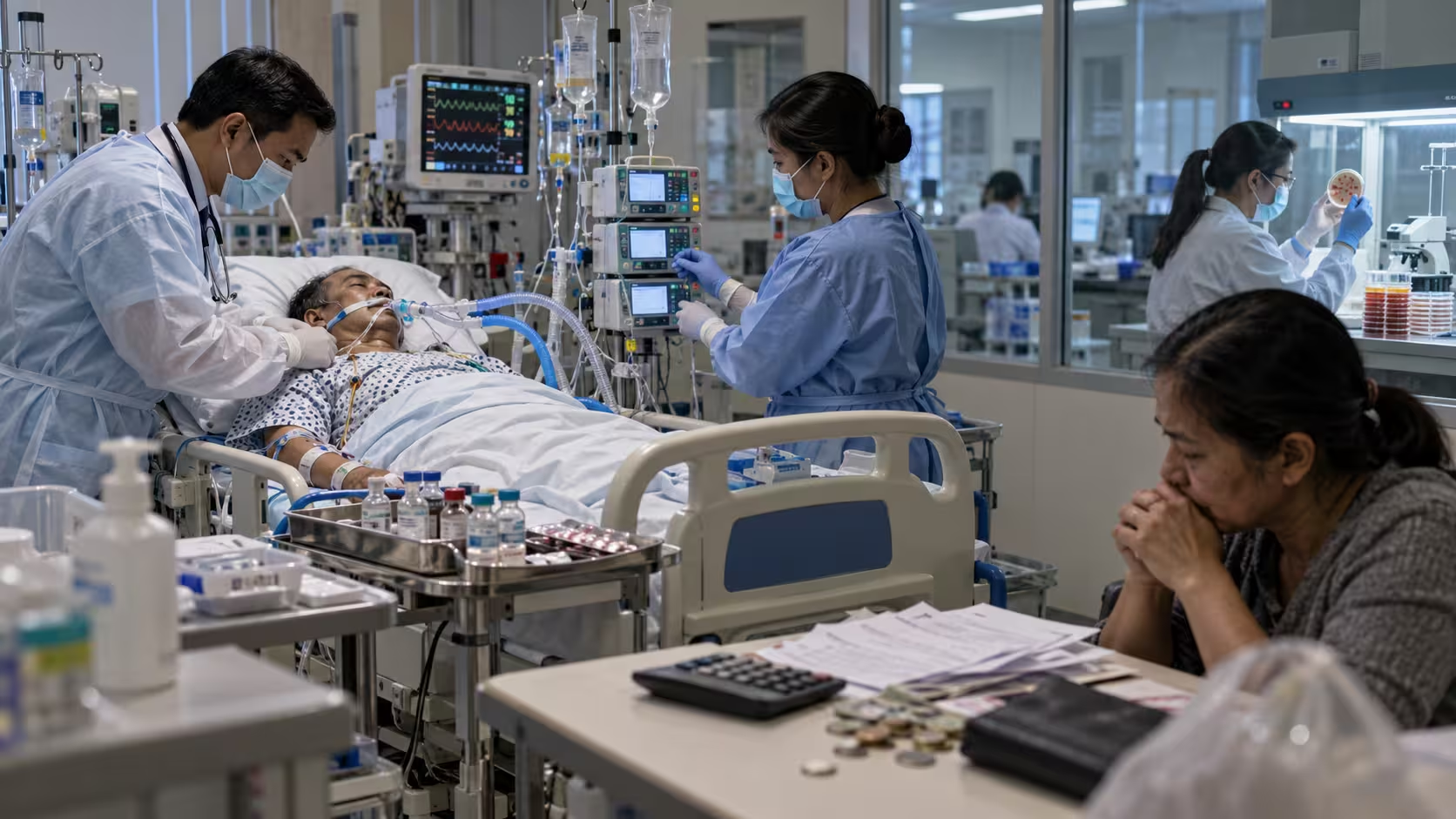
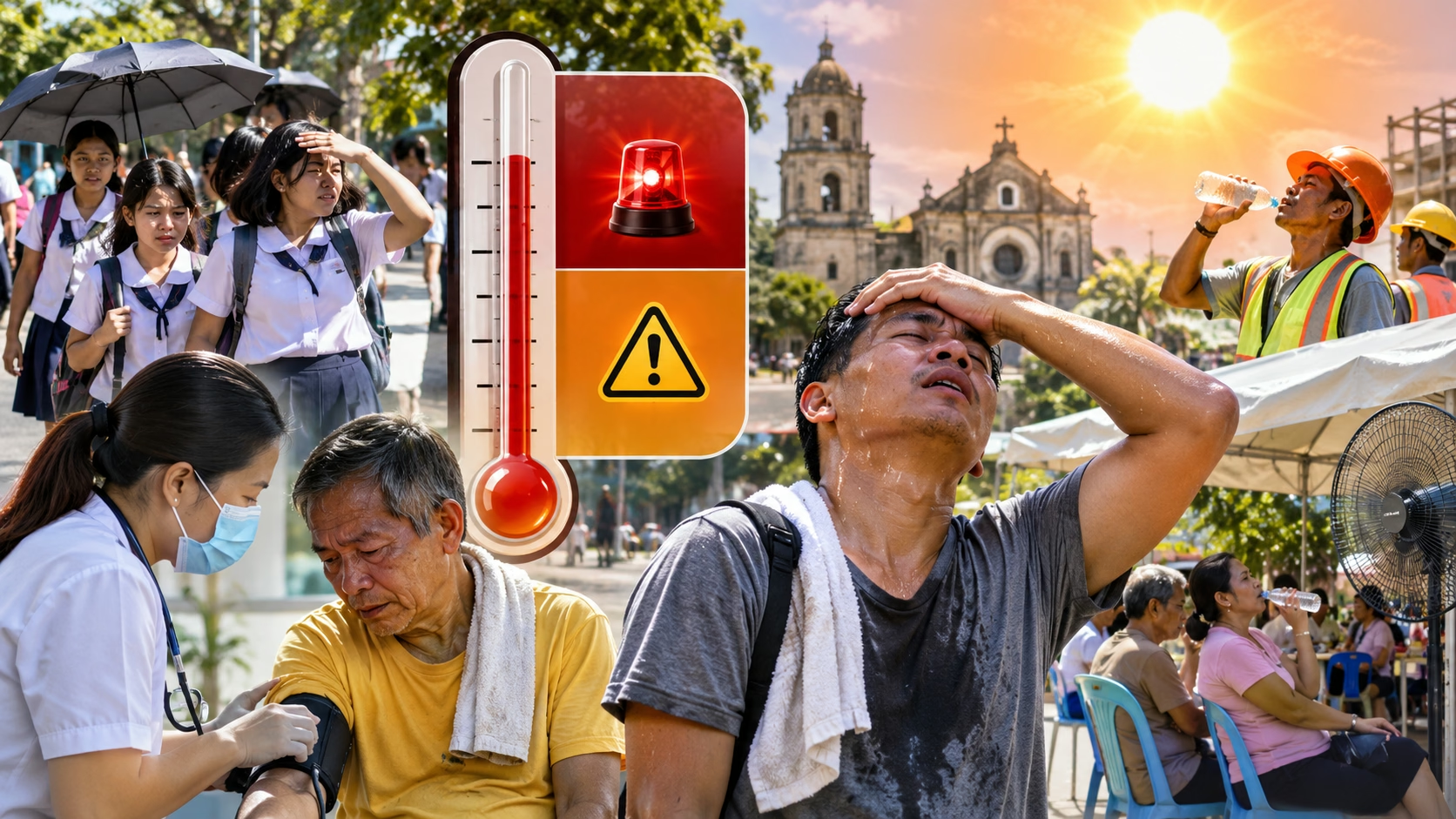
Heat does not always announce itself as a disaster. Unlike a typhoon, it does not tear roofs from houses or send rivers over banks. It raises the temperature of bedrooms, workplaces, and waiting sheds by a few dangerous degrees, and it kills through cardiovascular collapse, dehydration, and heat stroke. A report from the University of Chicago’s Climate Impact Lab has put a number on that quiet toll: approximately 6,500 additional heat-related deaths in the Philippines from September 2026 to February 2027, compared with a normal year .
A Global Projection With a Philippine Face
The Climate Impact Lab estimates that 451,000 people worldwide could die from heat-related causes during the same period as a powerful El Niño disrupts temperature patterns . In Southeast Asia, the additional deaths across the Philippines, Vietnam, Thailand, and Cambodia are projected at around 19,400 . The Philippine figure is not an abstraction. It represents parents, grandparents, workers, and neighbors—people whose deaths may be recorded as cardiac events, respiratory failure, or complications of existing illness rather than as heat fatalities .
The researchers quantified the relationship between temperature and excess mortality, accounting for local climate, vulnerability, and adaptive capacity, and then applied those relationships to long-range temperature forecasts . Their conclusion is that anomalously warm conditions will resemble the temperatures that climate change is projected to deliver two decades from now, producing 44 percent more extremely hot days than a normal year .
Why Heat Deaths Are Underestimated
Official records of heat-related illness capture only the most visible cases. The DOH has reported dozens of heat-related illness cases and a smaller number of deaths in surveillance systems, but these figures reflect patients who reached health facilities and were correctly identified . Many heat deaths occur at home, among older adults with cardiovascular disease, or among outdoor workers who collapse after prolonged exertion. The Climate Impact Lab’s excess-mortality approach captures a broader picture by comparing death rates during hot periods with what would be expected under normal conditions.
PAGASA has warned that the current El Niño could produce record-breaking daytime and nighttime temperatures . Nighttime heat is especially dangerous because it prevents the body from recovering after daytime exposure. In dense urban neighborhoods with limited ventilation and inadequate cooling, the cumulative effect can be severe.
A Preparedness Window That Is Narrowing
The United Nations in the Philippines has noted that while peak impacts are expected from late 2026, there remains a critical window to strengthen preparedness and implement anticipatory actions that reduce risks to vulnerable communities . That window is narrowing. Heat early warning systems exist, but thresholds are not yet fully calibrated to local health outcomes, and warnings do not always translate into protective action in remote or underserved communities . The 6,500-death projection is not a forecast of inevitable loss. It is a measure of how much depends on whether governments, health systems, and communities treat extreme heat as the slow-onset emergency it has become.