
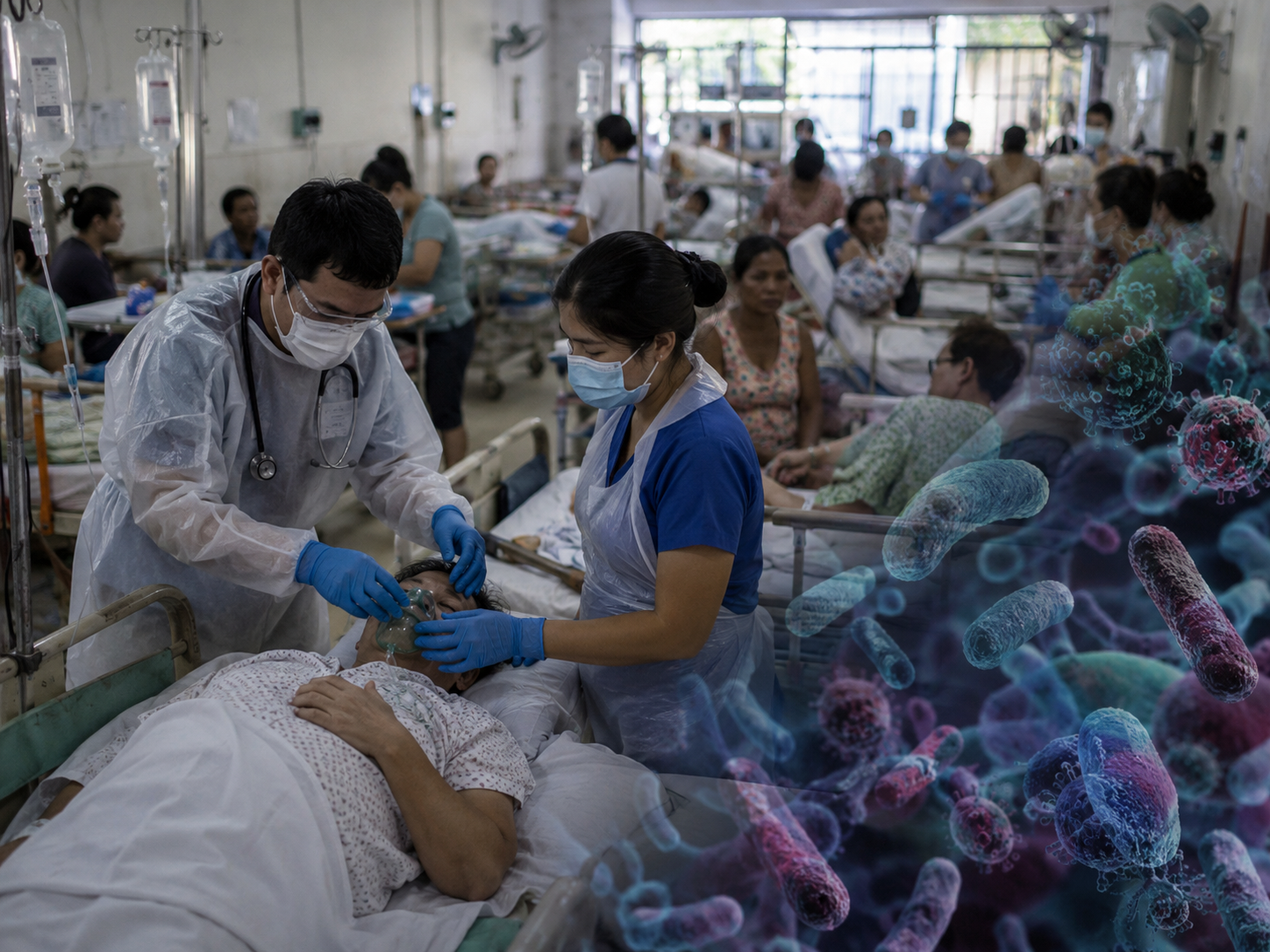
In the megacities of the Philippines, the line between human and animal habitats has blurred. This collision of ecosystems is a primary driver of zoonotic diseases—illnesses that jump from animals to humans. In 2026, the National Capital Region and surrounding provinces are witnessing a concerning uptick in two distinct but equally deadly zoonotic threats: Leptospirosis and Rabies. These diseases serve as stark indicators of urban decay and the failure of basic sanitation infrastructure.
Leptospirosis: The Floodwater Threat
Leptospirosis is a bacterial infection transmitted through the urine of infected rats, typically entering the human body through cuts in the skin submerged in contaminated floodwater. As the “Ber” months bring torrential monsoon rains, low-lying areas in Marikina, Malabon, and Navotas become breeding grounds for the bacteria.
The 2026 season has been particularly brutal. The strain on the Metro Manila drainage system has led to flash floods that linger for days, forcing residents to wade through water to salvage belongings or commute to work. San Lazaro Hospital, a primary referral center for infectious diseases, has reported a surge in admissions presenting with fever, jaundice, and renal failure—classic signs of severe leptospirosis.
Public health experts argue that this is not merely a medical issue but an urban planning failure. The lack of efficient garbage collection attracts rat populations, and the lack of proper drainage ensures prolonged human exposure. Prophylaxis with Doxycycline is available for high-risk populations, but it remains an underutilized tool, often unavailable in the rural health units that need it most.
Rabies: The Neglected Killers
Rabies remains a terrifying reality in the Philippines, a country with a massive population of free-roaming dogs. The virus is 100% fatal once symptoms manifest, making post-exposure prophylaxis (PEP) the only lifeline. In 2026, the supply chain for Rabies Immunoglobulin (RIG) and vaccines has been erratic, leading to anxiety among bite victims.
The issue is compounded by the high cost of treatment for private patients. While Animal Bite Treatment Centers (ABTCs) offer government-subsidized care, these centers are often overcrowded and located far from rural victims. The “One Health” approach is slowly gaining traction, integrating veterinary services and human health care to mass-vaccinate dogs. However, the stray dog population continues to grow faster than the sterilization and vaccination campaigns can manage.
A Call for Infrastructure and Education
Addressing these diseases in 2026 requires a cross-sectoral response. It is not enough to treat patients; the government must enforce waste management policies and invest in flood control. Simultaneously, responsible pet ownership campaigns are crucial. The link between a clean environment and disease prevention has never been clearer. As urban centers continue to expand vertically, the ground level remains a battleground for survival against unseen bacteria and viruses.