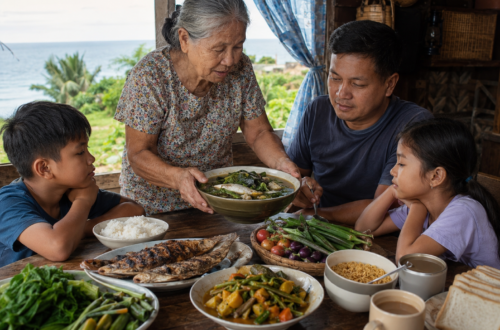
As healthcare costs skyrocket globally, a quiet revolution is taking root in the Philippines. Dubbed the “Green Prescription” movement, the year 2026 has seen doctors, insurance providers, and policymakers acknowledging that the country’s indigenous flora and therapeutic traditions hold the key to sustainable healthcare. This paradigm shift views health not as a commodity to be purchased but as a state of balance to be maintained. From the remote highlands of the Cordilleras to the bustling streets of Bonifacio Global City, the integration of local healing arts is providing a resilient, cost-effective antidote to the impersonal nature of modern medicine.
The Economics of the “Green Prescription”
The impetus for this shift in 2026 is largely economic. The exorbitant price of maintenance medications for chronic diseases has forced the national insurance provider, PhilHealth, to rethink its coverage. By expanding its “Outpatient Benefit Package” to include accredited herbal supplements like Lagundi syrup for respiratory issues or Sambong tablets for kidney stones, PhilHealth has reduced the national pharmaceutical expenditure significantly. This allows the government to redirect funds toward preventive care and infrastructure. For the average Filipino family, a green prescription means healthcare that does not push them deeper into poverty. It is a pragmatic solution that aligns public health goals with fiscal responsibility.
The Role of Social Media and the “TikTok Healers”
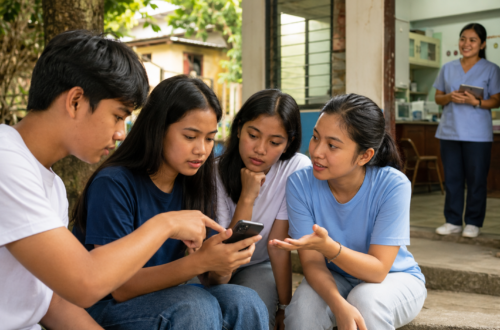
A fascinating driver of this 2026 resurgence is the digital democratization of knowledge. Young Filipino influencers, colloquially known as “TikTok Healers” or “Herb Tok,” are playing a massive role in destigmatizing traditional medicine. They are creating engaging, short-form video content that demystifies how to brew herbal teas for hypertension or how to perform self-Hilot for migraines. While the Department of Health has had to issue warnings against medical misinformation, they have also partnered with these influencers to ensure accurate information reaches the youth. This digital pivot has ensured that traditional medicine is not seen as “old-fashioned” but as a vibrant, trendy, and culturally proud aspect of the modern Filipino identity.
Regenerative Agriculture and Eco-Tourism
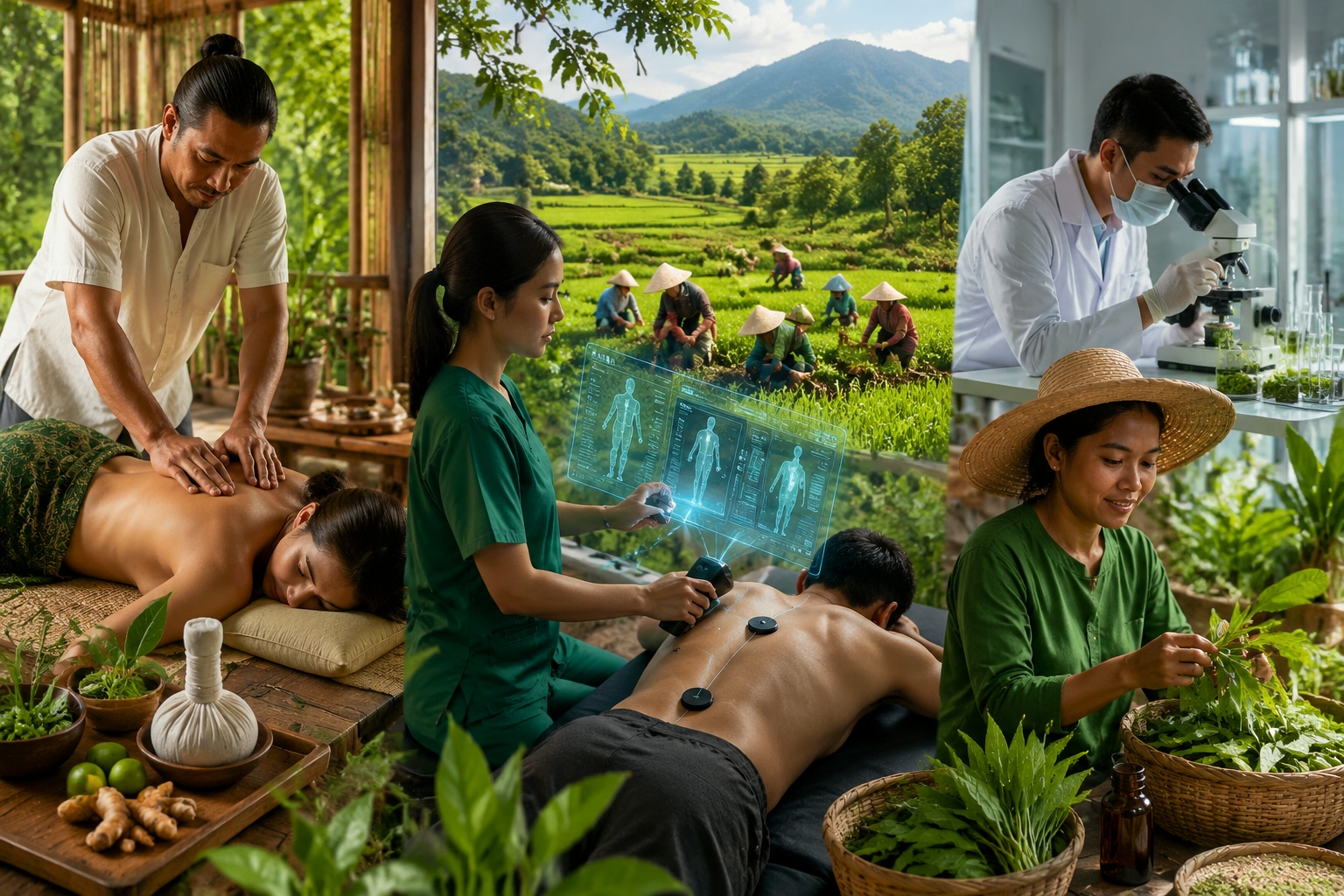
The demand for raw materials in 2026 has also sparked a regenerative agriculture movement. Traditional farming methods, such as the kaingin system, are being replaced by sustainable forest farming techniques to cultivate medicinal vines and trees. This has intersected beautifully with the eco-tourism sector. Tourists are no longer just visiting beaches; they are booking “Healing Farm Retreats” in Batangas and Bohol, where they can walk through organic herb gardens, receive personalized acupuncture or Hilot sessions, and learn about the sustainable harvesting of medicinal bark. This convergence of agriculture, tourism, and health has created a multi-billion peso industry that positions the Philippines as the premier wellness destination in Southeast Asia for 2026.