For generations, Filipino celebrations have centered on meat-heavy dishes like lechon, kare-kare, and Bicol Express. But a quiet plant-based revolution is reshaping the culinary landscape in 2026, as health concerns, environmental awareness, and rising meat prices push urban Filipinos toward meatless versions of their favorite foods.
Why Plant-Based Filipino Cuisine Is Booming in 2026
Data from the Philippine Statistics Authority’s 2026 Food Consumption Report (https://psa.gov.ph/) shows that sales of plant-based meat alternatives in Metro Manila surged by 41% year-on-year. The same report found that 28% of urban households now prepare at least one fully meatless meal each week, with the strongest adoption among professionals aged 25–40. This shift is not about abandoning Filipino culture but reimagining it with ingredients that are kinder to the body and the planet.
Reimagining Kare-Kare with Banana Blossom and Peanut Sauce
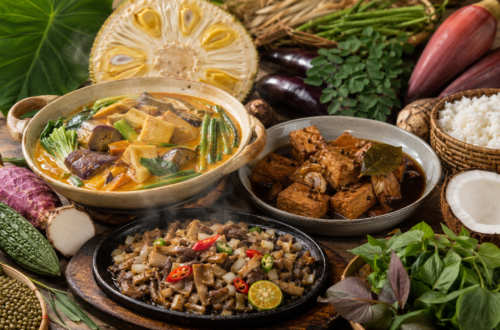
Kare-kare, the beloved oxtail and tripe stew in thick peanut sauce, is being transformed by substituting banana blossom, eggplant, and firm tofu. The annatto oil still provides its signature golden hue, while toasted rice flour maintains the thick, velvety texture. Chefs note that banana blossom’s tender, flaky texture mimics shredded meat remarkably well. This vegan version cuts saturated fat by 45% and cholesterol to zero, while retaining the nutty, savory profile that makes kare-kare irresistible.
The Meatless Lechon Craze: Jackfruit and Mushroom Innovations
Lechon—the crispy, glistening centerpiece of every fiesta—now has plant-based cousins made from shredded jackfruit, king oyster mushrooms, and wheat gluten, seasoned with lemongrass, garlic, and soy, then roasted until the outer layer crackles. Local startup VeggiePinoy supplies vegan lechon to over 50 restaurants and catering services across Metro Manila. Their 2026 holiday orders tripled, driven by families who want a healthier centerpiece without abandoning the ritual. Food bloggers have praised the mushroom-based skin for its satisfying crunch, though purists still debate its authenticity.
Bicol Express Without the Pork
Bicol Express, a spicy coconut milk stew, traditionally relies on fatty pork. The plant-based version uses young green jackfruit or smoked tofu, simmered in light coconut milk with an extra kick of chilies and ginger. This reduces calories by 30% while preserving the creamy, fiery flavor that defines the dish. Some cooks add a spoonful of fermented black beans to deepen umami, a trick borrowed from Chinese Buddhist cuisine.
Fast-food chains are taking notice. In early 2026, a leading Philippine fast-food brand launched a limited-time “Plant-Based Burger Steak” in selected Metro Manila outlets, selling out within two weeks. The trial’s success suggests that meatless Filipino food is moving from niche cafés to mainstream menus. However, affordability remains a barrier; urban mushroom farms and government subsidies for plant protein production are part of the 2026 strategy to make these options accessible to lower-income families. As the movement matures, expect plant-based versions of sisig, longganisa, and even dinuguan to enter the mainstream conversation.