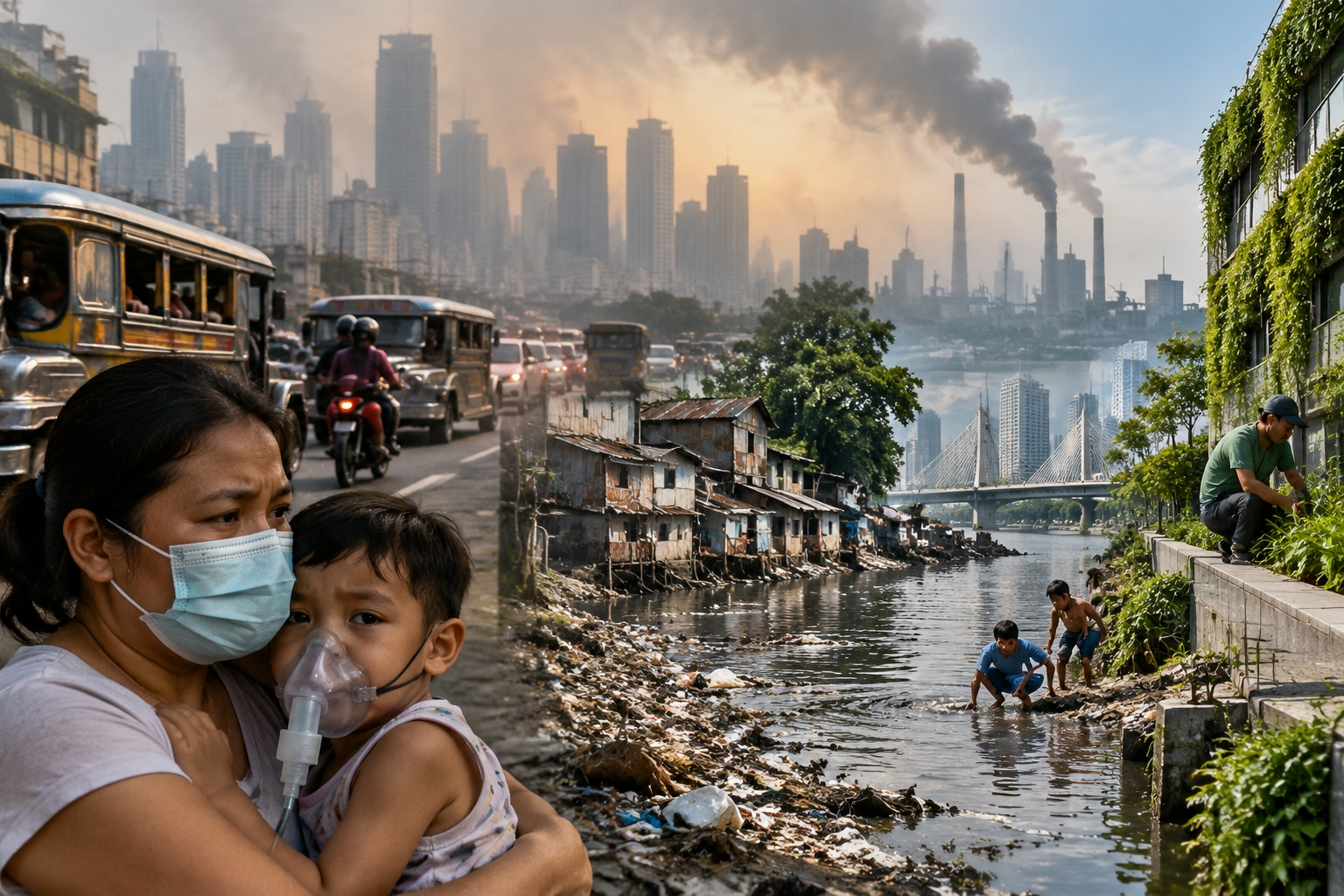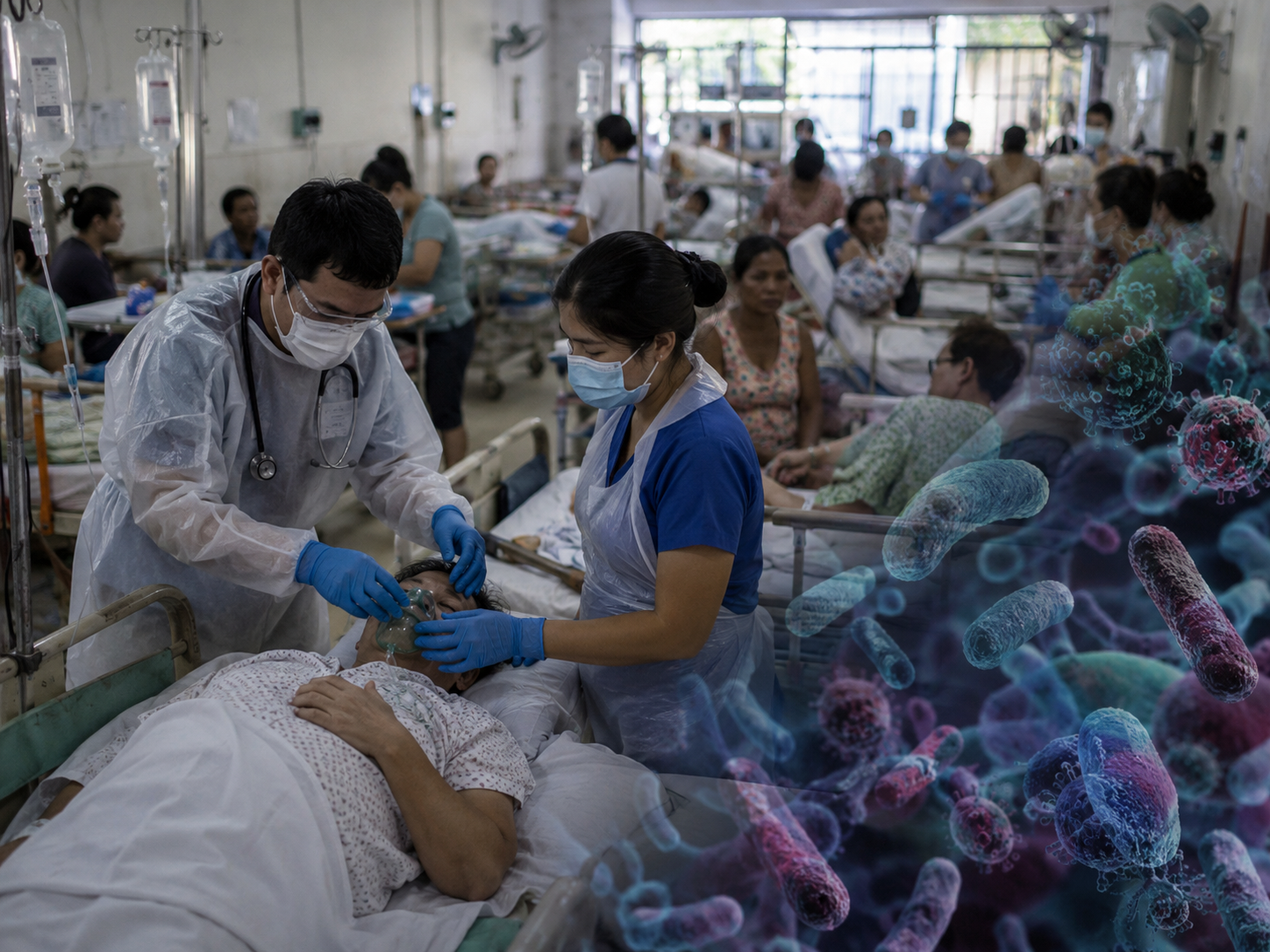
Cancer is an urgent health issue in the Philippines, where it has become one of the leading causes of mortality. Although the prevalence of cancer is on the rise, the nation still faces significant barriers in dealing with the disease effectively. One of the most critical challenges is the lack of awareness about cancer prevention, the availability of screenings, and the early detection of the disease. Without this knowledge, many individuals only seek medical help when the disease has advanced, reducing the effectiveness of treatments and lowering survival rates.
Efforts to combat cancer in the Philippines have primarily focused on educating the public about the importance of early detection. This is a vital step in improving outcomes for cancer patients, as early-stage cancer is more likely to respond to treatment. The Philippine Department of Health has initiated various programs that promote regular screenings, especially for women, who are at higher risk for cancers such as breast and cervical cancer. By encouraging regular check-ups and educating the population about warning signs, the goal is to increase the number of early diagnoses, which can greatly improve survival rates.
The importance of cancer prevention is another aspect of the awareness campaigns in the Philippines. The government, in collaboration with health organizations, aims to educate the public about the lifestyle factors that contribute to cancer, such as smoking, unhealthy diets, and lack of physical activity. Awareness campaigns are aimed at changing public behavior by promoting healthier lifestyles, which can reduce the risk of developing cancer in the first place.
In addition to traditional health programs, digital platforms and social media are increasingly being used to spread cancer awareness in the Philippines. These platforms offer a convenient way to reach a larger audience and provide information on cancer prevention and early detection, as well as success stories that can motivate individuals to seek screening. These campaigns are particularly effective in younger generations, who are more likely to engage with online content.
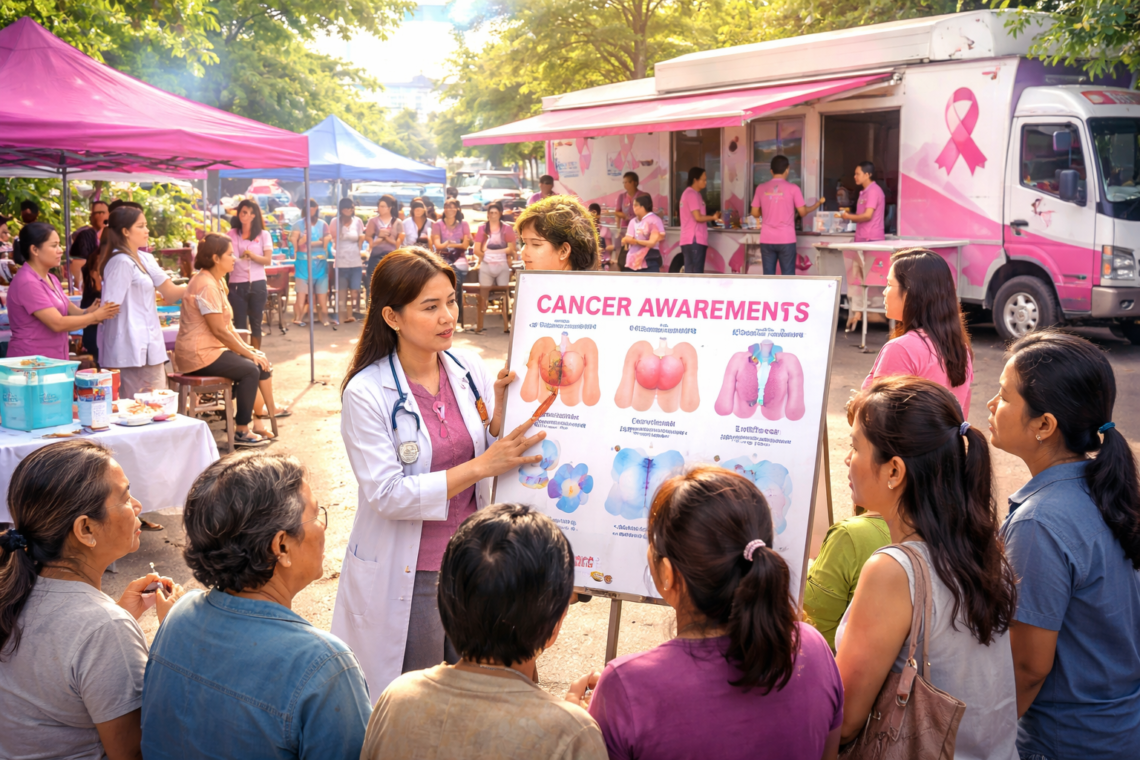
Aside from educational programs, there is a strong push to improve access to cancer screenings, especially in rural or underdeveloped areas. Mobile clinics, which travel to remote locations, have proven to be an effective means of providing cancer screenings to individuals who otherwise may not have access to healthcare services. These initiatives are helping to bring the necessary resources directly to communities that need them most.
Despite the challenges, there is a growing recognition of the importance of early detection and cancer awareness in the Philippines. With continued advocacy, education, and improved access to healthcare services, the country can make significant strides in reducing cancer mortality and improving the quality of life for those affected by the disease.