The healthcare system in the Philippines has undergone significant transformations with the introduction of telemedicine and mobile health applications. As technology continues to evolve, digital health services are providing an innovative approach to healthcare delivery, making it more accessible, efficient, and user-friendly. Telemedicine and health apps, in particular, have become key players in expanding access to medical care, particularly in rural and isolated areas.
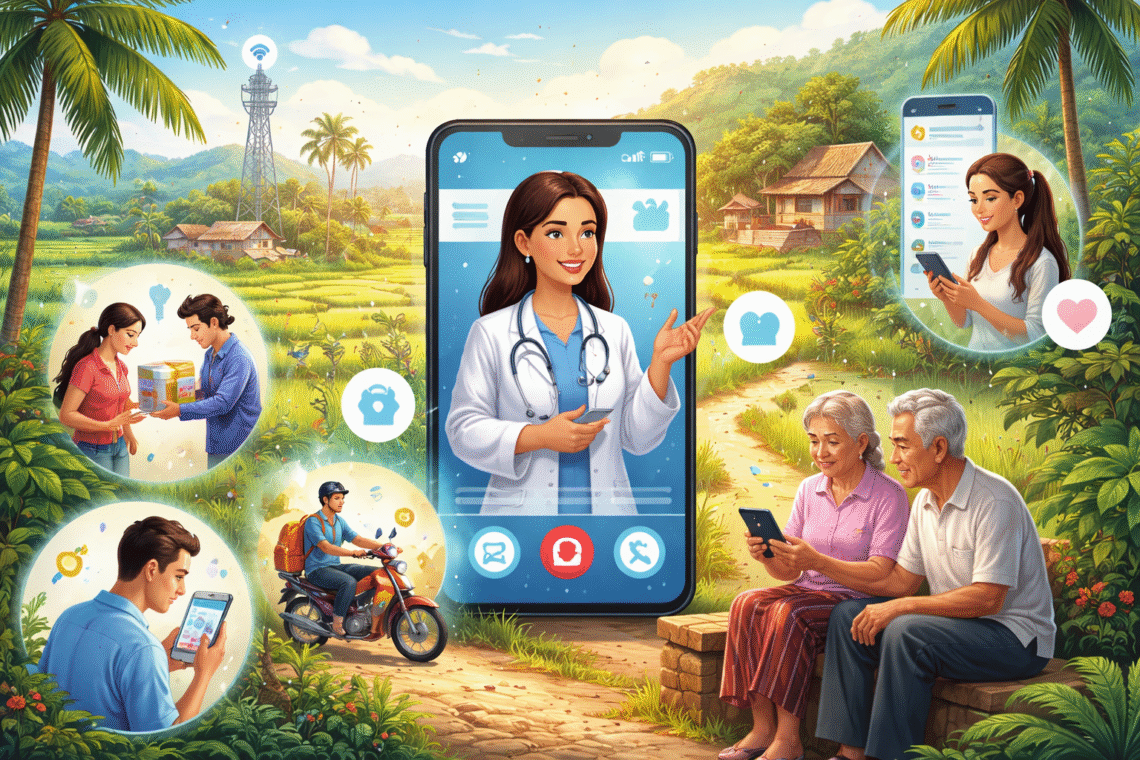
Telemedicine, defined as the use of digital technology to provide healthcare remotely, is one of the most revolutionary changes in the Philippine healthcare system. The country’s geographical challenges, with thousands of islands and a diverse population, have made it difficult for many Filipinos to access medical services. Telemedicine addresses this issue by offering virtual consultations, which allow patients to interact with doctors and specialists without needing to travel long distances. This is especially important for those living in remote areas or urban centers with limited healthcare facilities.
Several telemedicine platforms have been launched in the Philippines, including “Telehealth PH,” which provides online consultations with general practitioners and specialists. These platforms have gained popularity due to their convenience and affordability, particularly during the COVID-19 pandemic, when lockdowns and travel restrictions limited people’s ability to visit healthcare facilities. Through telemedicine, patients can receive medical advice, prescriptions, and follow-up care from the safety and comfort of their homes.
In addition to telemedicine, health apps have become increasingly important in the digital health landscape. Health apps allow individuals to track their health, manage chronic conditions, and access health information easily. Apps like “MyHealth” and “Doctor Anywhere” enable users to book appointments, request virtual consultations, and even order medications online. These apps empower users to take control of their health and make more informed decisions about their well-being.
One of the key benefits of health apps is that they cater to a wide range of health needs. For example, apps designed for fitness tracking help users monitor their physical activity, diet, and sleep patterns, which can contribute to healthier lifestyles. On the other hand, apps like “Carewell” are dedicated to managing specific health conditions such as hypertension, diabetes, and asthma, offering personalized care plans and medication reminders to help users manage their conditions effectively.
The adoption of digital health services in the Philippines is not only driven by consumer demand but also by government initiatives aimed at expanding access to healthcare. The Philippine Department of Health has supported the growth of telemedicine by collaborating with private providers to establish affordable and reliable digital health services. This collaborative effort has paved the way for more Filipinos to benefit from digital health solutions, improving healthcare access for people in underserved regions.
While the benefits of telemedicine and health apps are evident, there are still challenges to overcome. Limited internet connectivity in rural areas, digital literacy issues, and the need for improved data security remain significant barriers. However, with continued investment in technology and infrastructure, the potential for digital health services to revolutionize the healthcare system in the Philippines is immense.