Children in the Philippines grow up in a lively environment where traditional games, modern media, and big community celebrations exist side by side. The result is a rich mix of entertainment that reflects both Filipino culture and global influences.
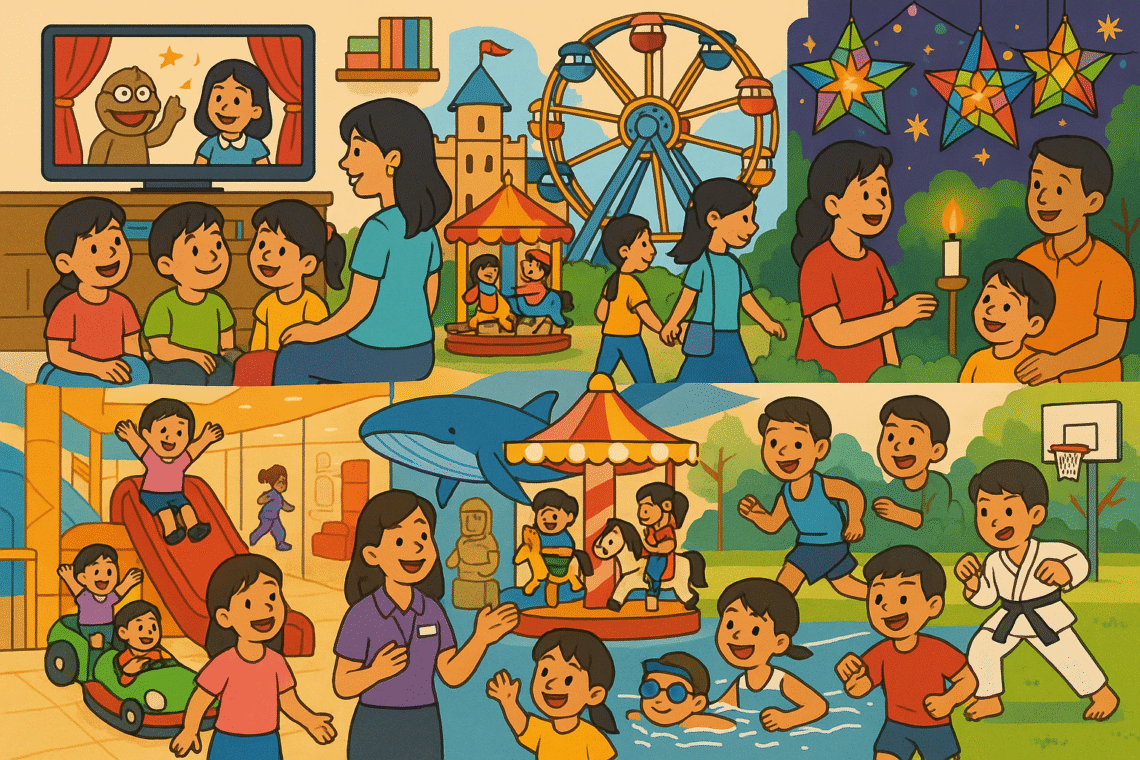
Television has long been a central source of fun for kids. For decades, local networks have produced educational programs that many adults still remember fondly. Science-focused shows like Sineskwela turned lessons about the human body, weather, and the environment into colorful stories. Values-oriented series such as Hiraya Manawari presented moral dilemmas and positive choices through fantasy tales and everyday situations. While newer cartoons and live-action shows now dominate screens, these pioneering programs helped shape expectations that children’s content should teach as well as entertain.
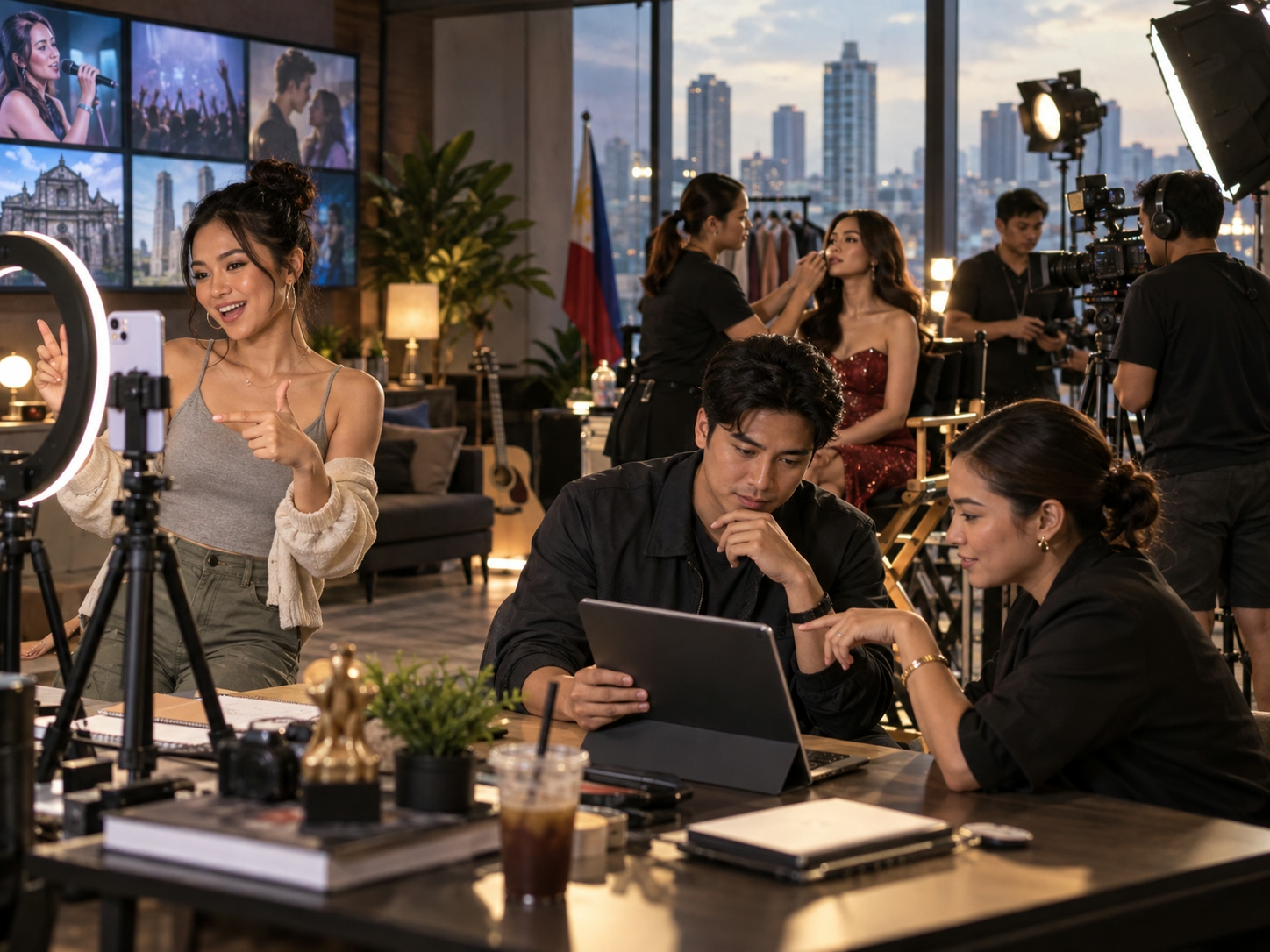
Today, digital platforms are just as important as TV. Many Filipino households have at least one smartphone or tablet, even if internet connections vary. Children use these devices to watch animated stories, learn songs, and follow kid influencers who share crafts, unbox toys, or demonstrate simple recipes. Parents and caregivers often guide what is watched, choosing videos with clear educational themes or moral lessons. This digital shift offers more options but also challenges adults to curate content carefully.
Physical spaces for play and entertainment are equally significant. Theme parks like Enchanted Kingdom attract families from across the country. Themed zones, gentle rides for younger kids, and interactive shows make it an appealing all-day destination. In Metro Manila and nearby provinces, various amusement centers, water parks, and farm-themed attractions give children opportunities to interact with animals, nature, and outdoor activities.
Within cities, malls are some of the most accessible venues for children’s entertainment. Aside from playgrounds and arcades, many malls host seasonal events tied to holidays like Halloween, Christmas, and Easter. These include trick-or-treat activities, costume parades, egg hunts, and photo booths with costumed characters. Brands frequently sponsor hands-on booths where kids can paint, build toys, or participate in simple science demonstrations.
Traditional and cultural events maintain an important place in children’s lives. Filipino fiestas often include “perya” (small traveling carnivals) with rides, game booths, and food stalls. Kids may join dance groups that perform during processions, or they may take part in children’s pageants and talent shows. Major festivals, such as Kadayawan in Davao or MassKara in Bacolod, usually feature street performances that children can either watch or participate in through school and community groups.
School remains a major setting for entertainment and self-expression. Beyond academic work, students prepare for foundation day numbers, Christmas parties, and recognition events where they perform dances, skits, or choral pieces. These performances are often recorded and shared with extended family, turning them into treasured memories. Some schools maintain clubs dedicated to theater, music, or journalism, giving older children structured ways to explore their interests.
Sports and outdoor play also deserve mention. Basketball, volleyball, and traditional street games like “tumbang preso” and “patintero” still appear in many neighborhoods, especially during school breaks. Local tournaments for children, organized by schools, barangays, or churches, blend exercise with friendly competition and social bonding.
Taken together, kids’ entertainment in the Philippines is not limited to screens or commercial venues. It stretches from living rooms to school stages, from town plazas to large theme parks. Inside this ecosystem, children learn social skills, gain confidence, absorb cultural traditions, and discover what they enjoy most—all while simply having fun.