
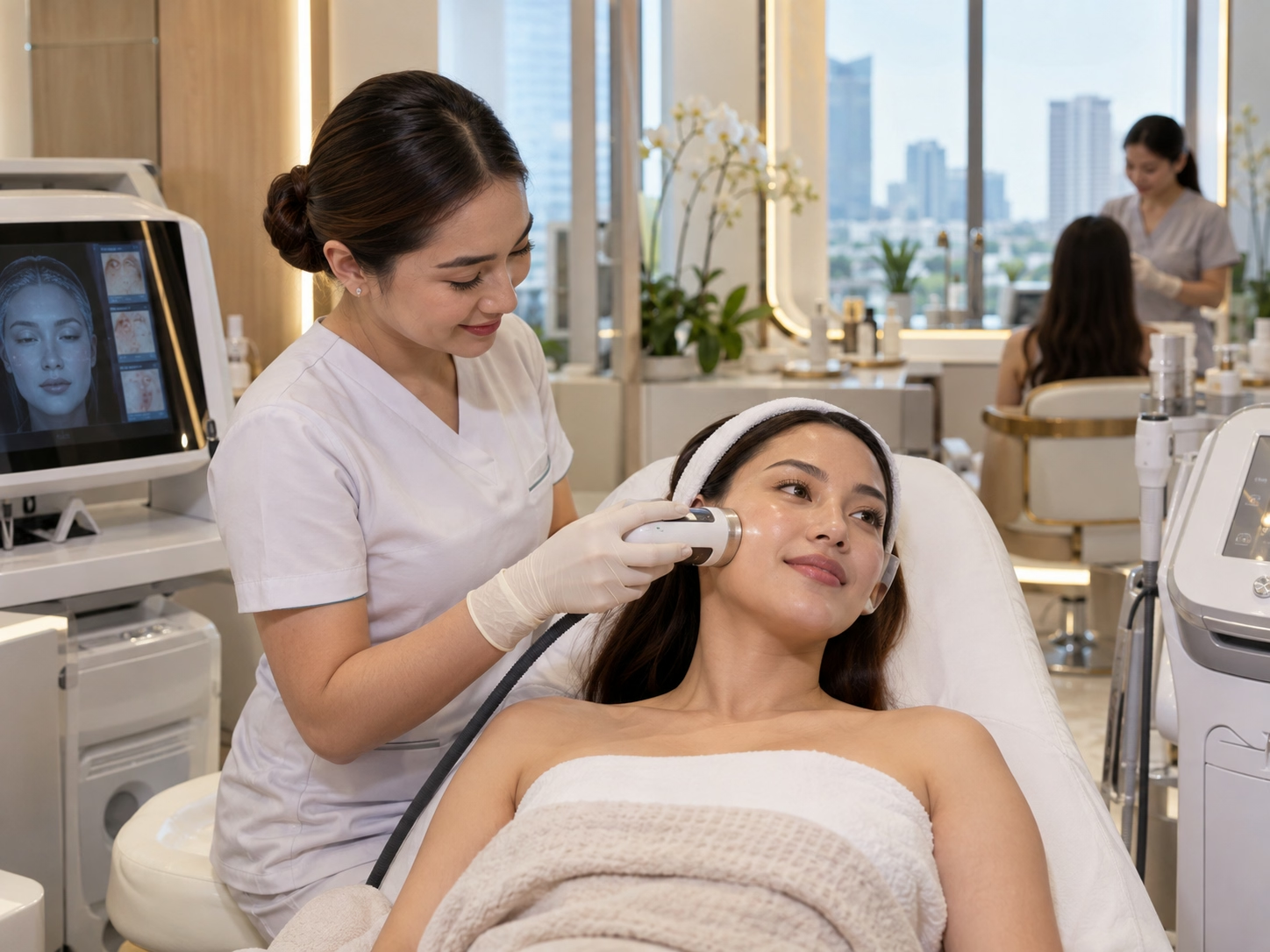
As the Philippine aesthetic industry experiences unprecedented growth, a parallel narrative is unfolding: a decisive regulatory crackdown aimed at protecting consumers and elevating professional standards. For clinic owners and investors, navigating this evolving landscape is no longer a back-office concern—it is a defining factor for long-term viability.
In mid-2026, the Philippine Food and Drug Administration (FDA) issued a stark warning to the public against using unregistered injectable products, explicitly naming “weight loss injectables, glutathione, and fat-dissolving products” as items of concern. The agency stressed that the use, promotion, and distribution of unregistered health products are prohibited under Republic Act No. 9711, also known as the FDA Act of 2009.
A Wave of Enforcement Actions
This warning was not an isolated incident. It followed a joint enforcement operation by the FDA and the National Bureau of Investigation – Dangerous Drugs Division (NBI-DDD) against a medical practitioner administering unregistered injectables in Pasig City. In a separate, high-profile case in August 2026, the NBI apprehended an unlicensed aesthetic practitioner for performing illegal “jawtox” procedures. The practitioner faced charges for Illegal Practice of Medicine, violations of the Philippine Pharmacy Act, and the FDA Act for operating a clinic without the required license and using unregistered glutathione drips.
These actions signal a new era of rigorous oversight. Local government units are also stepping up. In March 2026, the city of Iloilo announced plans to regulate dermatology and wellness clinics, requiring invasive procedure providers to obtain a License to Operate from the FDA, accreditation from the Department of Health (DOH), and to designate a licensed physician with relevant specialization as a medical director.
Compliance as a Business Strategy
For legitimate businesses, this regulatory tightening is not a threat but a strategic advantage. It levels the playing field by weeding out bad actors who cut corners and undermine consumer trust. Compliance is becoming a hallmark of quality and safety, which are increasingly important brand differentiators.
Key Compliance Requirements for Aesthetic Clinics in 2026:
- FDA Licensing: Any clinic performing invasive procedures or administering injectables must secure the necessary FDA licenses for both the facility and the products used.
- DOH Accreditation: Facilities must meet health and safety standards set by the Department of Health.
- Qualified Medical Oversight: A licensed physician with a relevant specialty must serve as the medical director.
- Product Traceability: Clinics must ensure all injectables and devices are registered with the FDA and sourced through legitimate channels.
Staying compliant requires a proactive approach. It involves investing in proper licensing, staff training, and robust supply chain management. The recent FDA enforcement actions highlight that the cost of non-compliance—including legal penalties, reputational damage, and business closure—is far greater than the investment in doing things right.
For investors and entrepreneurs, choosing to operate a fully compliant clinic is a powerful market signal. It demonstrates a commitment to patient safety and quality that can build lasting trust, attract discerning clients, and secure partnerships with reputable brands and medical institutions. In the Philippine aesthetic industry’s new era, compliance is not just a legal obligation—it is a competitive edge.