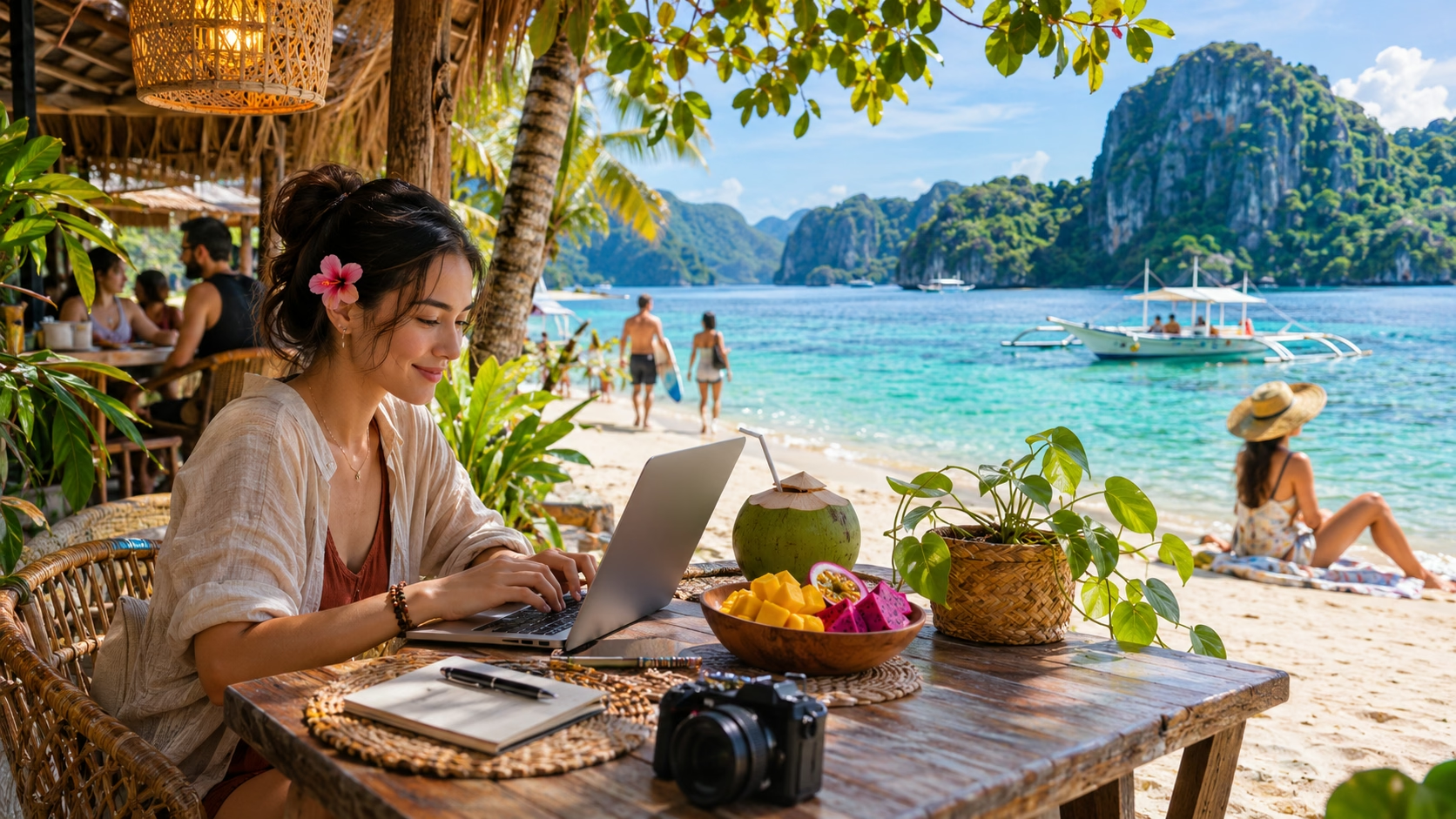
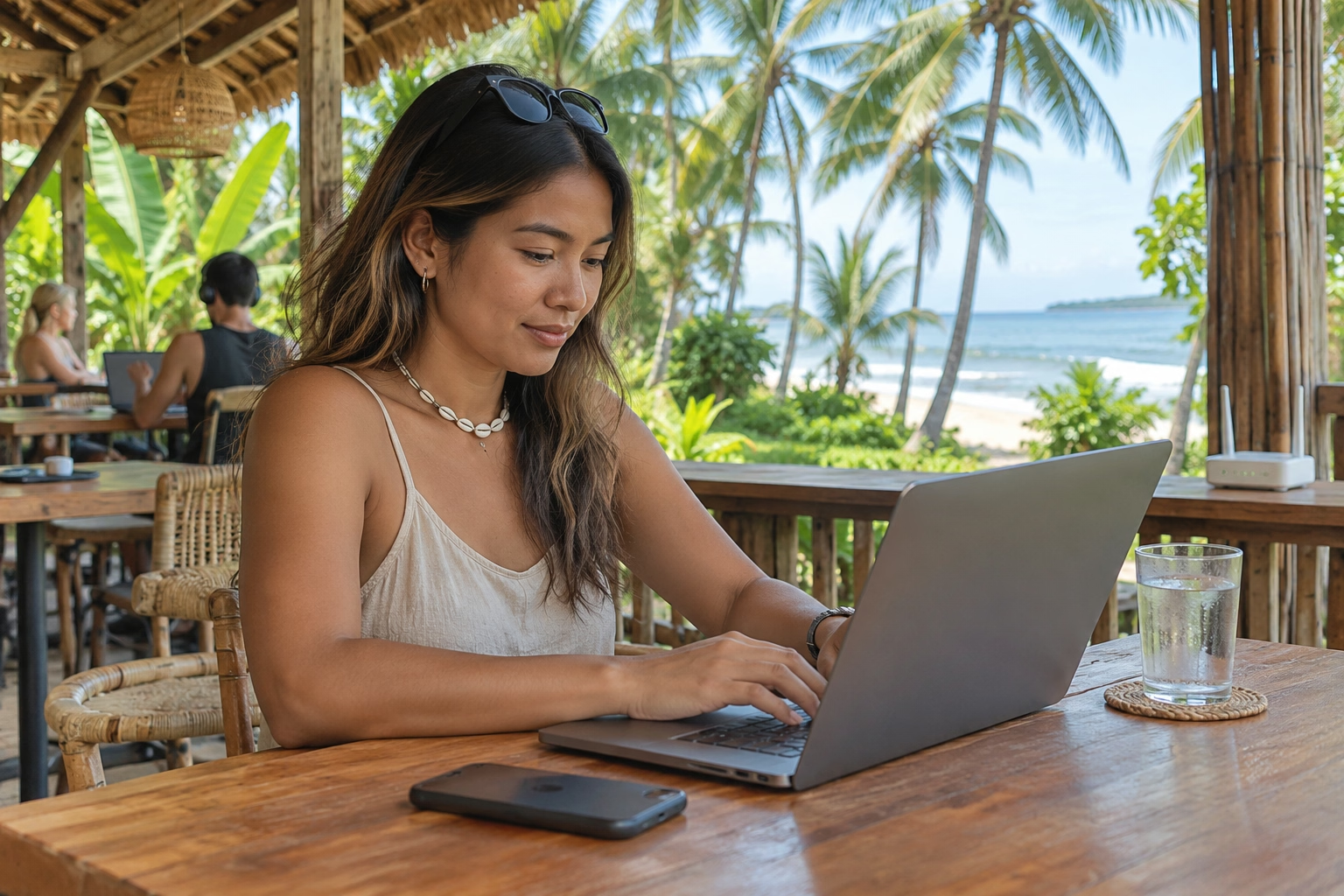
The romantic image of working from a hammock is seductive, but the reality of a long-term workation in the Philippines is built on a foundation of practical logistics. From the bureaucratic nuances of immigration to the daily hunt for a reliable power source, the difference between a stressful stay and a seamless experience lies in the preparation. This playbook focuses on the unglamorous but essential details that ensure your remote work remains uninterrupted while you explore the archipelago.
Visa Strategies: Beyond the New Digital Nomad Visa
While the Digital Nomad Visa (DNV) introduced in 2025 is a significant step forward, it is not the only—or necessarily the easiest—path for all remote workers . The DNV is subject to reciprocity agreements, and as of early 2026, the final list of eligible nationalities is still pending . For citizens of many countries, the traditional tourist visa remains the most flexible and accessible option.
The strategy employed by many long-term remote workers is a straightforward one: enter on a tourist visa, which is typically valid for an initial 30 days, and then extend it. Extensions can be processed at Bureau of Immigration offices for up to 36 months in total without leaving the country . This process, while requiring a visit to a sometimes-crowded office, is generally routine and relatively inexpensive. The key is to avoid overstaying, which incurs significant fines and can lead to blacklisting. For those planning to stay longer than six months, the DNV, if eligible, offers a more formalized structure and the benefit of multiple-entry privileges, but the tourist visa extension route remains a viable and widely used alternative.
The Realistic Budget: Avoiding the Expat Bubble
A common pitfall for new arrivals is the “expat bubble,” where daily choices—imported groceries, Western restaurants, private taxis—inflate the cost of living to Western levels. A realistic budget for a comfortable but local-oriented lifestyle is essential. Outside of Metro Manila’s central business districts, a single remote worker can live well on $1,000 to $1,400 per month .
Housing is the largest variable. A modern studio in Cebu IT Park might cost $500, while a basic apartment in Davao or Dumaguete could be half that . Food is where significant savings are possible. By shopping at local markets (palengke) and eating at neighborhood eateries, a monthly food budget of $200 to $300 is achievable, a fraction of what it would cost to eat exclusively at tourist-facing establishments . The key is to view the Philippines not as a resort, but as a place where people live, work, and eat, and to participate in that local economy.
The Tech Toolkit: Redundancy is Everything
Given the variability of internet infrastructure across the islands, a robust personal tech setup is not a luxury; it is a necessity . The cornerstone of this setup is a dual-SIM smartphone. One slot should hold a local SIM from a major provider like Globe or Smart, loaded with a generous data plan to serve as a hotspot when the primary Wi-Fi fails.
The second essential piece of equipment is a reliable power bank, preferably with a high capacity to charge a laptop or keep a mobile hotspot running during outages. For those who frequently take video calls, investing in a good quality headset with noise cancellation can mitigate the background noise of roosters, traffic, or torrential rain. Finally, researching your accommodation’s internet setup before booking is critical. Ask specific questions: Is the connection fiber? Is there a generator? What is the actual speed during peak evening hours? A host who can provide a screenshot of a recent speed test is worth their weight in gold.
Integrating Work and Wellness
The most successful workations are those that establish boundaries. The blurring of lines between “office” and “beach” can lead to burnout just as easily as a corporate job. Establishing a dedicated workspace—whether a desk in your apartment or a regular table at a local cafe—helps signal to your brain that it is time to focus.
Equally important is leveraging the unique wellness opportunities the Philippines offers. A morning swim before logging on, a weekend island-hopping trip, or an afternoon hike can do more for your productivity than another cup of coffee. The goal is not to maximize the number of tourist attractions you visit, but to create a sustainable rhythm where the environment enhances your work rather than distracting from it. The workation succeeds when the work feels manageable and the “-ation” feels earned.