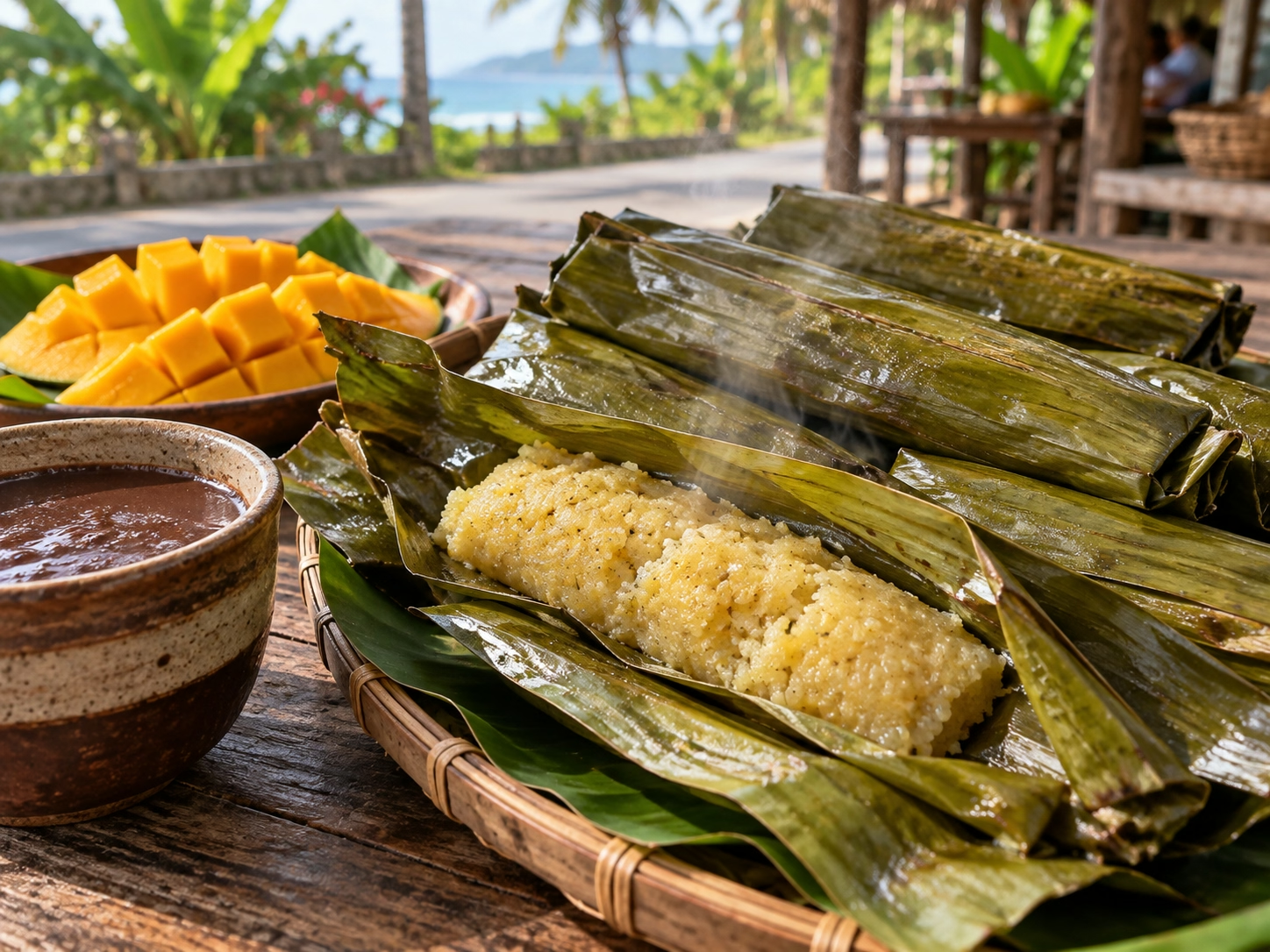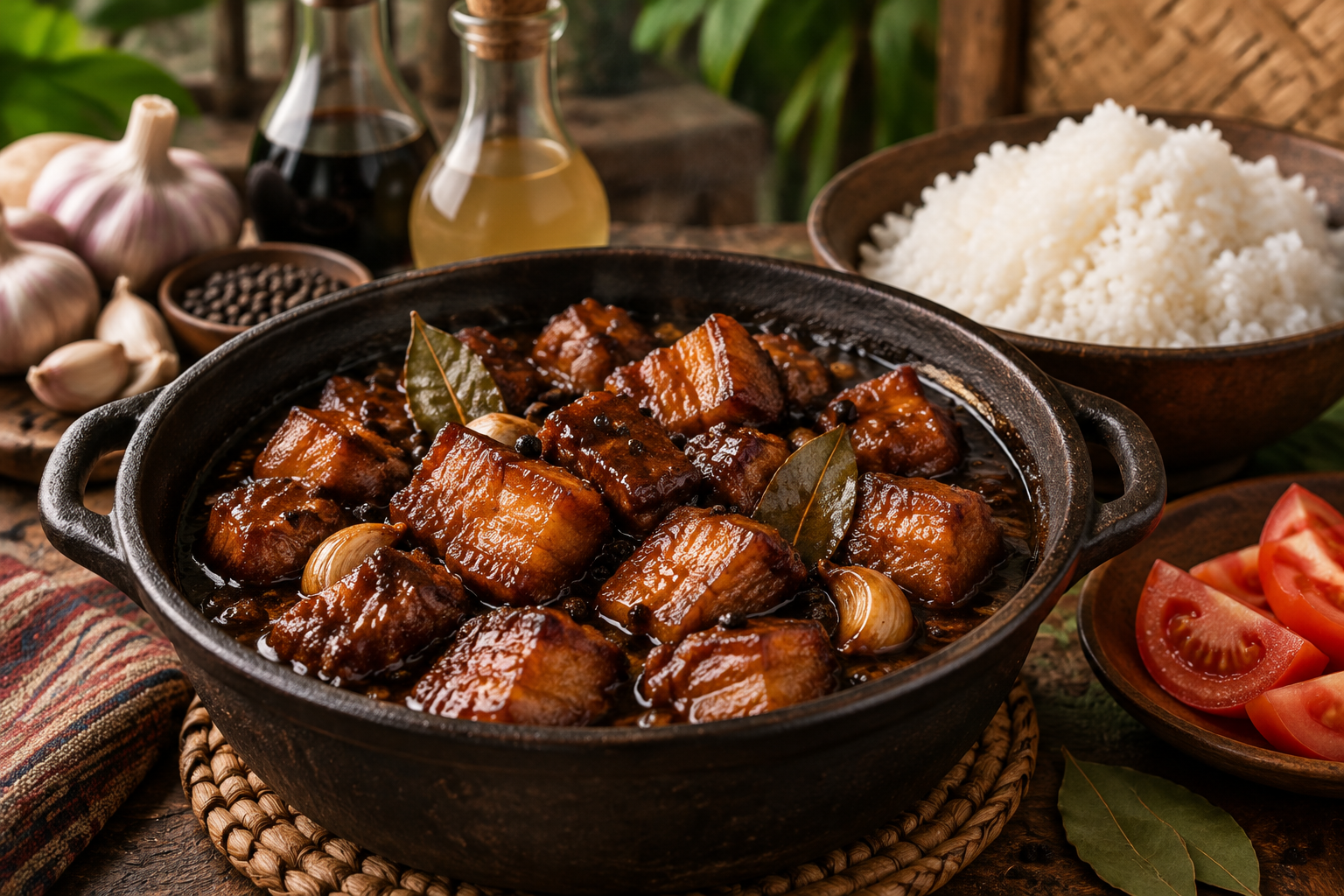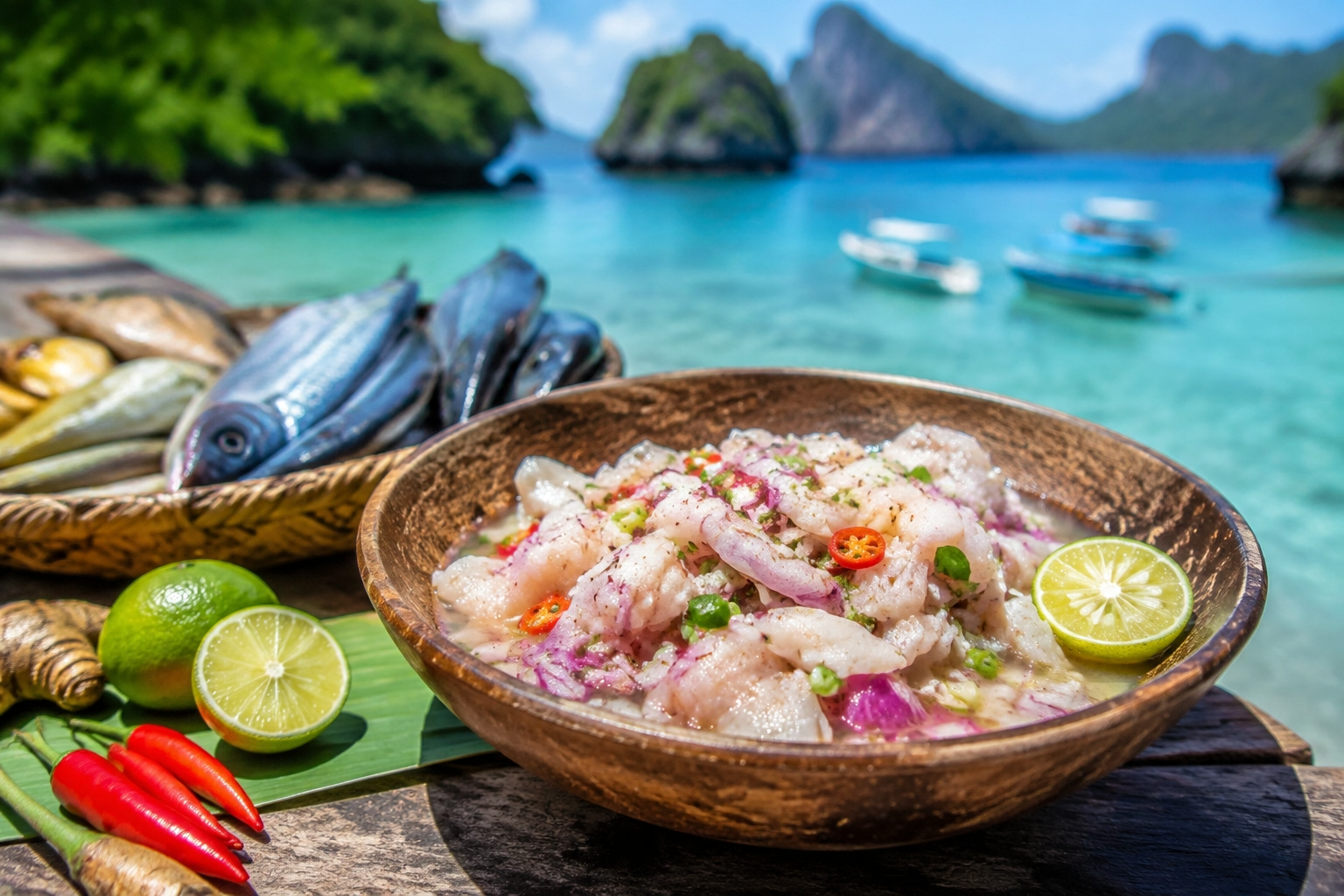
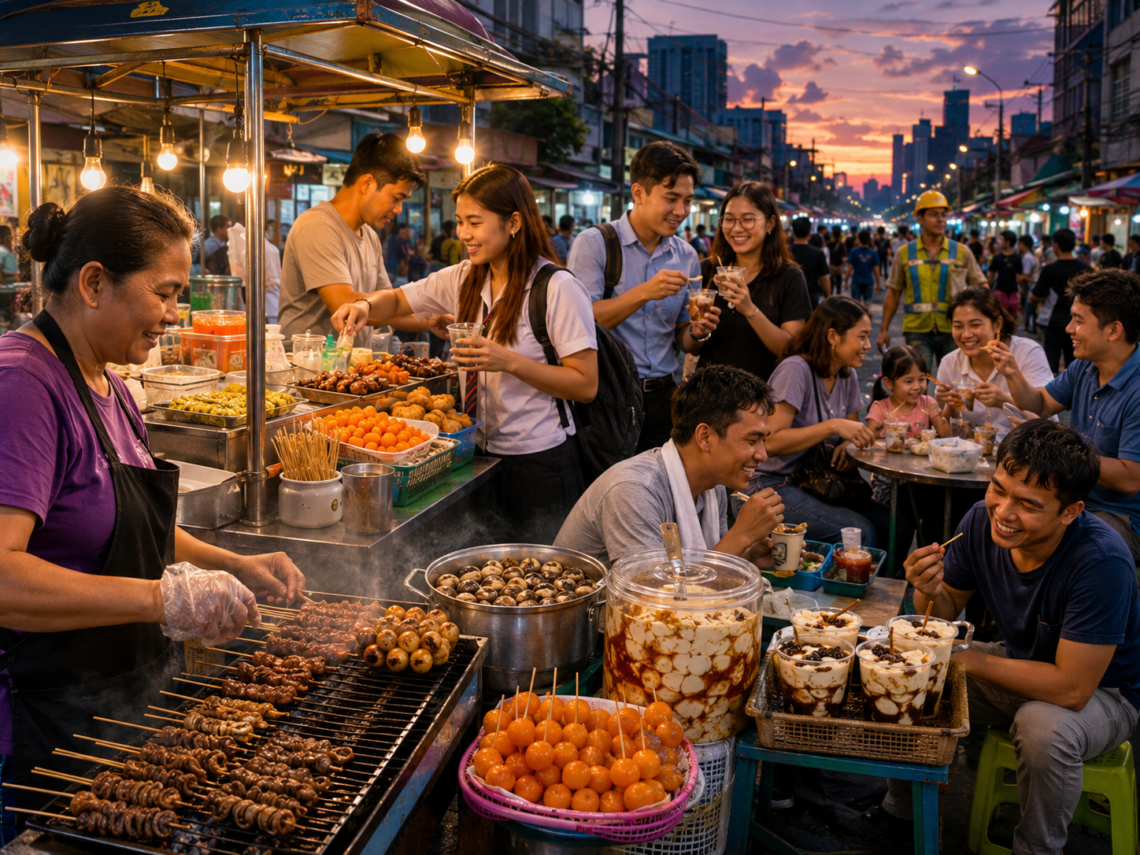
Across cities and towns in the Philippines, street food is a constant presence, offering convenient, affordable, and culturally rich meals. Whether it’s grilled corn, pork barbecue, or kakanin (rice-based desserts), street vendors cater to a wide spectrum of consumers—from schoolchildren to office employees—providing nourishment that fits both the schedule and budget of everyday life.
The primary appeal of street food lies in its accessibility. Positioned near schools, bus stations, markets, and office districts, vendors serve meals that are quick to prepare and easy to carry. This accessibility makes street food a practical option for busy individuals who need a fast and affordable way to eat. For many vendors, selling street food is a primary source of income, sustaining families and supporting local economies, which underscores its economic significance.
Street food also preserves and celebrates Filipino culinary traditions. Each region showcases its unique specialties: in Quezon City, for instance, taho remains a breakfast favorite, while in Cebu, lechon manok (roasted chicken) and danggit (sun-dried fish) are popular snacks. These foods reflect both local flavors and historical influences, keeping traditional recipes alive while allowing them to evolve with changing tastes. Festivals and community gatherings further emphasize street food as an integral part of social and cultural expression.
Beyond nutrition, street food encourages social interaction. Food stalls act as informal meeting points where people pause in their routines to socialize. Friends chat over skewered meats, families share sweet treats, and neighbors engage in casual conversation. This social function creates a sense of belonging and strengthens communal ties, highlighting street food’s role in shaping the social landscape.
Health and hygiene are ongoing priorities for street food vendors. Many have improved practices by using cleaner cooking equipment and maintaining safer preparation areas. Government programs provide education and monitoring to ensure compliance with health standards. These measures help preserve consumer trust and ensure the longevity of street food traditions in modern contexts.
Innovation is a hallmark of street food culture in the Philippines. Vendors experiment with new flavors, combinations, and presentation styles to attract diverse customers, including tourists. This constant adaptation illustrates the creativity inherent in Filipino cuisine, allowing street food to remain relevant while honoring its traditional roots.
In daily life, street food is far more than a simple meal. It embodies cultural heritage, supports local economies, facilitates social connections, and adapts to contemporary needs. Its enduring presence on Philippine streets demonstrates its profound significance in both everyday life and the nation’s broader cultural identity.