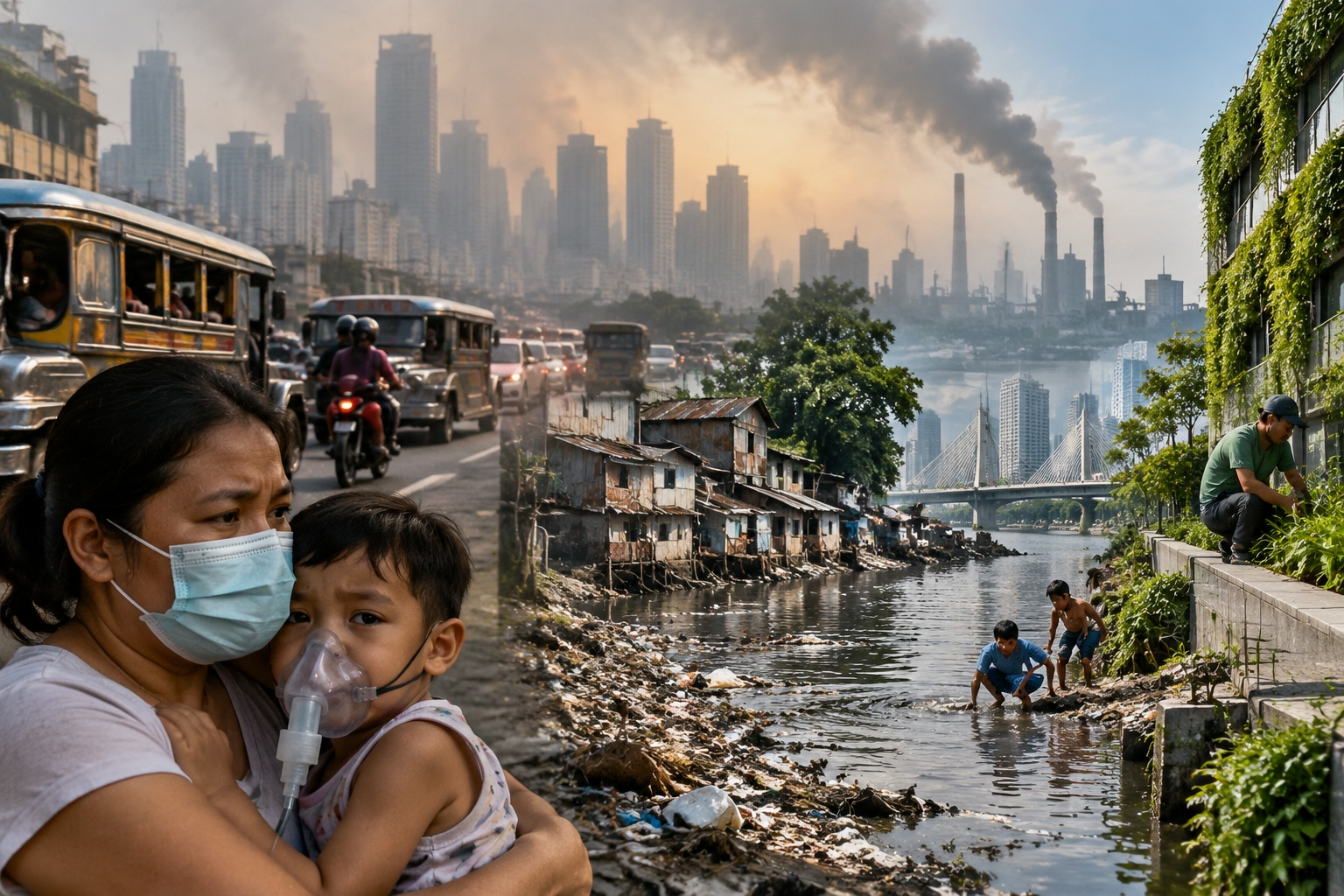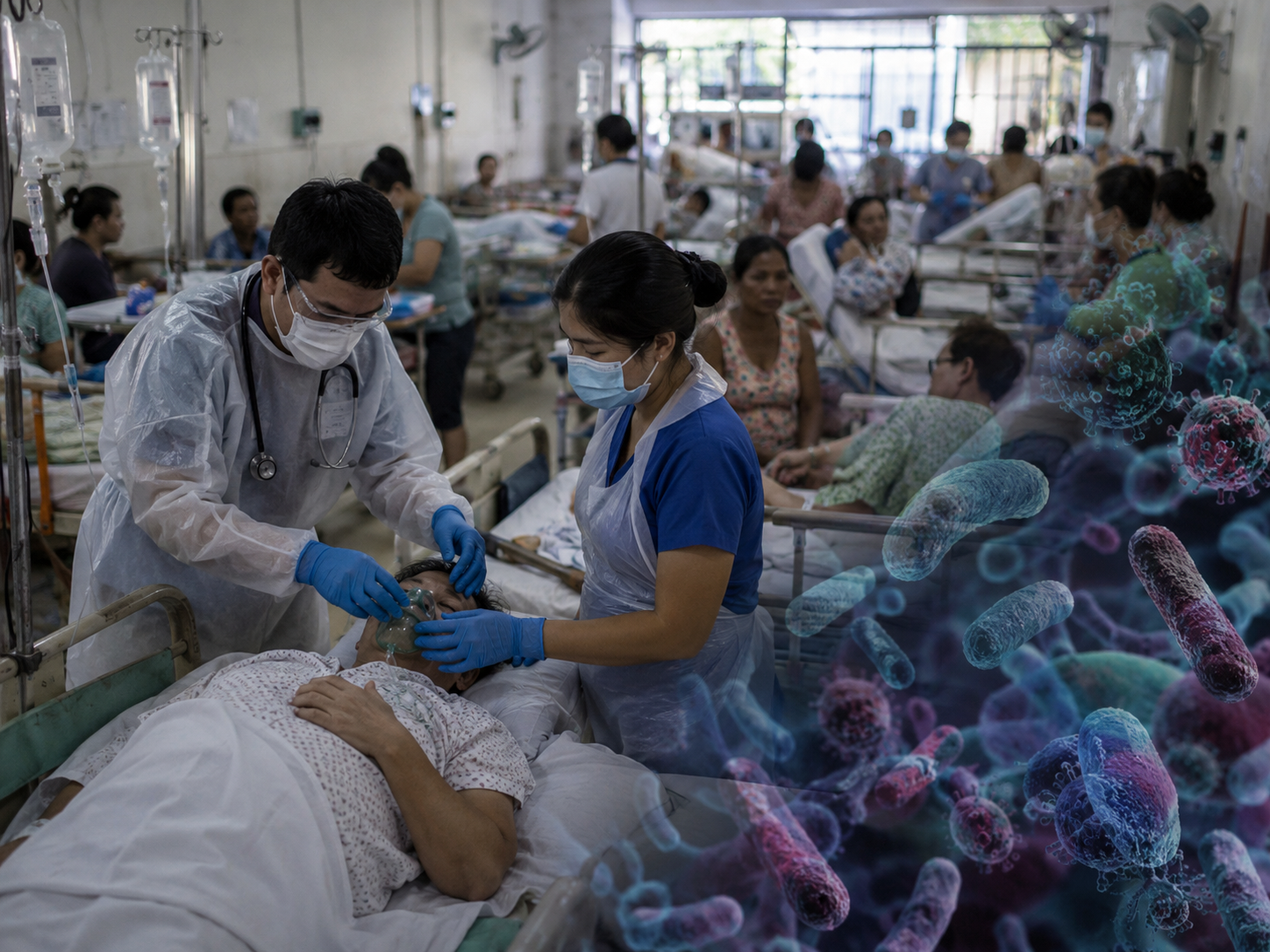

The Philippines’ maternal and child health agenda balances scale with sensitivity to local realities. While national norms define what every woman and child should receive, the country’s archipelagic geography and disaster profile demand flexible, equity-centered implementation.
Equity starts with access. Family planning counseling and a full range of methods help women plan pregnancies; adolescent-friendly services reduce social and logistical barriers. For pregnancy care, the priority is early enrollment and completion of antenatal visits, including blood pressure monitoring, anemia prevention, and vaccination. Yet distance, cost, and cultural concerns can limit uptake, especially among indigenous communities and residents of far-flung islands.
To bridge these gaps, the system deploys a tiered service network. Barangay Health Stations and Rural Health Units provide routine care and Basic Emergency Obstetric and Newborn Care. Referral hospitals manage Comprehensive Emergency Obstetric and Newborn Care, including surgery and blood transfusion. Emergency referral pathways—ideally with transport, communication protocols, and designated receiving centers—are crucial when complications arise. Training on respectful maternity care encourages trust, which in turn boosts facility use.
Child health interventions are layered for resilience. The Expanded Program on Immunization includes outreach sessions for communities with limited mobility, supported by robust cold-chain maintenance. Integrated Management of Childhood Illness (IMCI) guides clinical decisions for pneumonia, diarrhea, and other common conditions, while newborn screening and early detection of congenital disorders prevent lifelong disability. Nutrition programs—iron-folic acid for pregnant women, promotion of exclusive breastfeeding, vitamin A supplementation, deworming, and growth monitoring—guard the first 1,000 days.
Social protection adds an equity lens. Conditional cash transfers through the Pantawid Pamilyang Pilipino Program encourage prenatal care and immunization compliance. School-based health initiatives reinforce hygiene, nutrition, and periodic deworming, sustaining gains beyond infancy. Meanwhile, PhilHealth benefits reduce catastrophic spending during childbirth and pediatric hospitalizations.
Resilience is non-negotiable. Typhoons, floods, and volcanic events routinely disrupt services, so facilities develop continuity plans, preposition essential commodities, and maintain backup power for cold storage. Mobile teams and temporary clinics support recovery and keep immunizations and prenatal services on track. Conflict-affected and disaster-hit areas often require additional psychosocial support for mothers and children.
Quality hinges on supplies, skills, and data. Stock management prevents vaccine and contraceptive stock-outs. Regular drills and mentorship keep emergency obstetric skills sharp. Community health workers and Barangay Nutrition Scholars extend coverage and provide real-time feedback on missed visits or rising malnutrition. Facility dashboards and routine reporting through national information systems drive micro-planning—targeting neighborhoods with low ANC completion or under-vaccination.
Cultural competence matters. Programs tailor messages to local languages, engage traditional leaders, and adapt service hours to livelihoods like fishing or farming. For indigenous peoples, respectful engagement and accompaniment by trusted community members improve uptake. Adolescent girls benefit from safe spaces, privacy, and staff trained to handle sensitive conversations without stigma.
Progress in maternal and child health requires relentless attention to the basics—timely care, competent providers, reliable supplies—delivered with empathy and readiness for disruption. By keeping equity and resilience at the core, the Philippines can close remaining gaps and ensure that mothers and children in every barangay receive care they can trust.