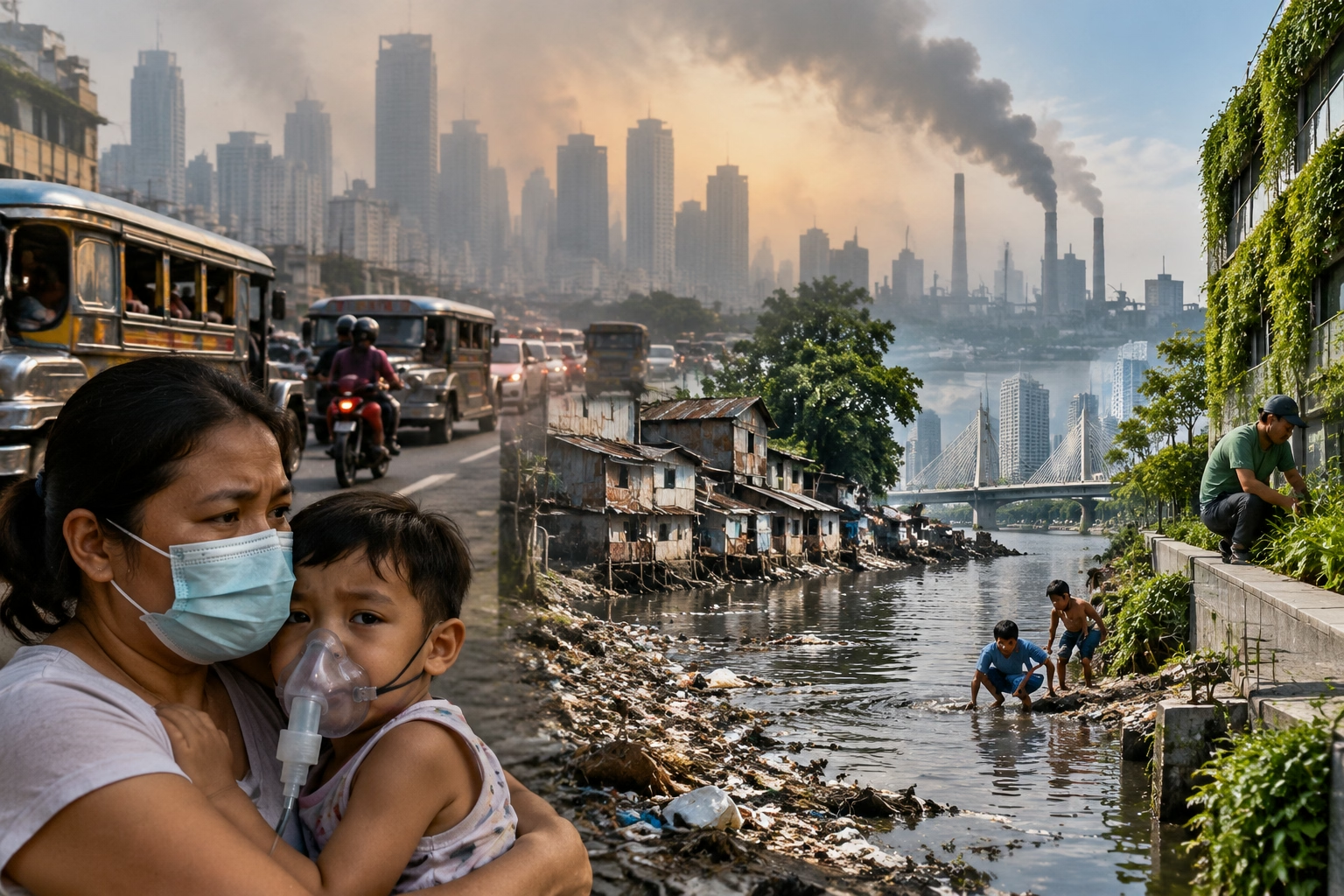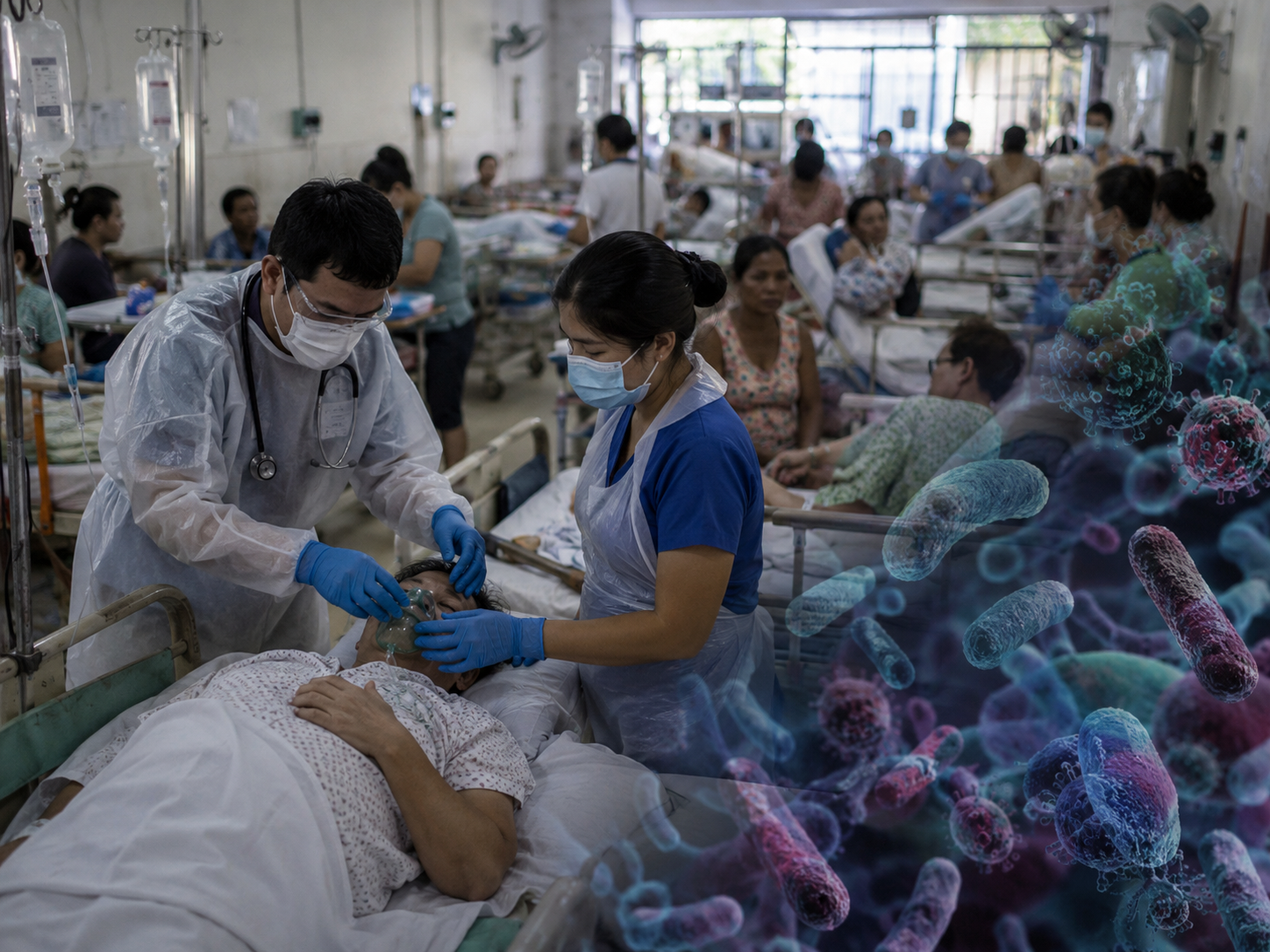
The delivery of healthcare services in the Philippines faces significant hurdles, particularly in rural and remote areas. The country’s complex archipelagic structure makes it difficult for residents of distant islands and inland villages to access hospitals and clinics. Many communities rely on boats, rough terrain travel, or limited road networks to reach healthcare facilities, often facing delays that can have serious implications for both preventive and emergency care.
One of the most pressing issues is the uneven distribution of healthcare personnel. Doctors, nurses, and specialists are concentrated in cities and larger towns, leaving remote communities with few or no medical professionals. This shortage results in limited access to routine health screenings, maternal care, vaccinations, and chronic disease management. Residents are often forced to travel long distances or delay seeking treatment, which can lead to worsening health outcomes.
Infrastructure deficits intensify the challenges. Many rural clinics lack electricity, clean water, and modern medical equipment. Pharmaceuticals and essential supplies are often scarce or irregularly delivered. In some cases, local health centers can only provide basic consultations, leaving residents to rely on self-care or traditional remedies for serious conditions. Poor transport infrastructure further restricts timely access to hospitals and emergency services.
Socioeconomic constraints also contribute to limited healthcare utilization. Many families in remote areas face financial hardships, making transportation and medical fees burdensome. Additionally, health literacy is often low, and cultural practices may prevent residents from seeking professional care promptly. These factors increase the risk of untreated illnesses, higher maternal and child mortality, and preventable complications from chronic diseases.
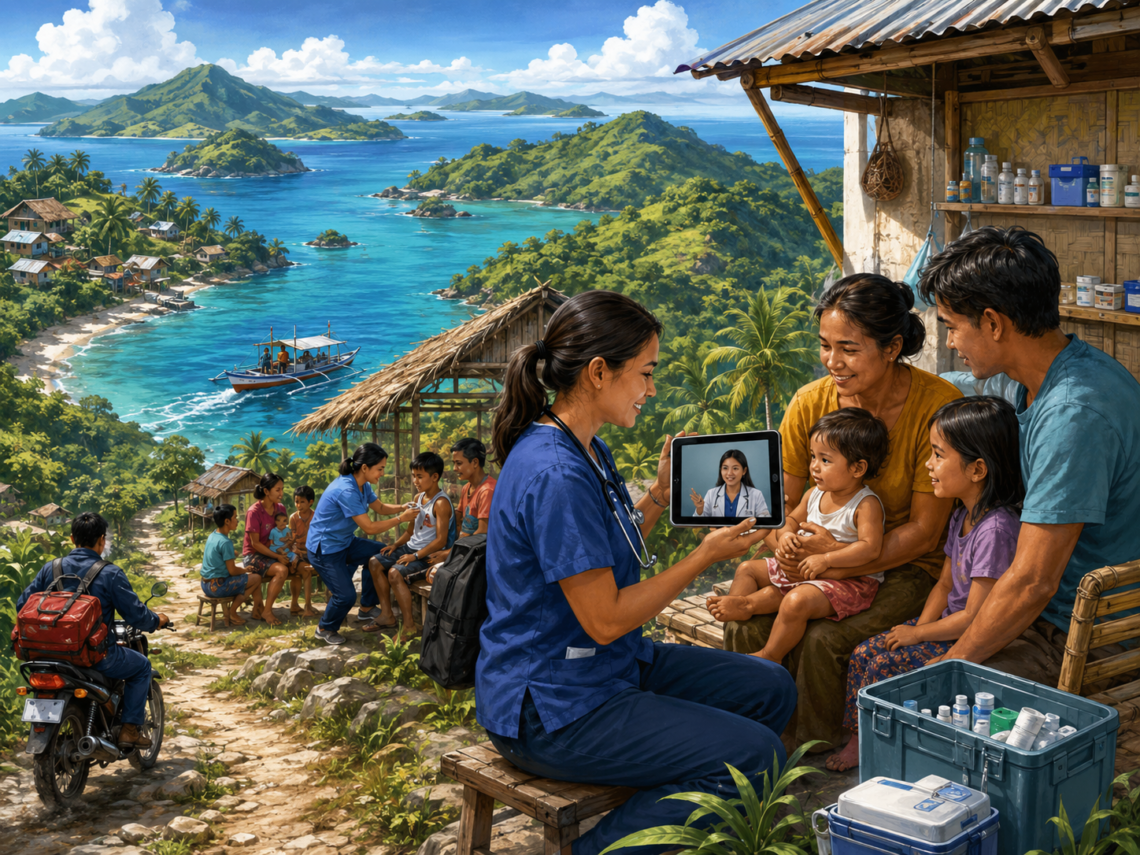
To improve healthcare access, the Philippine government and NGOs have introduced innovative strategies. Mobile health clinics provide direct medical services to isolated villages, offering vaccinations, screenings, and minor treatments. Telehealth initiatives allow consultations with specialists, reducing the need for extensive travel. Community health workers, who are trained locally, act as essential intermediaries between the formal health system and residents, offering health education, monitoring patients, and facilitating referrals.
International aid and partnerships have also strengthened healthcare delivery. Donations of medical equipment, infrastructure support, and professional training programs have improved the quality and reach of health services in remote communities. Programs like PhilHealth aim to reduce out-of-pocket expenses, enabling families to access care without prohibitive costs, while vaccination campaigns and public health education improve disease prevention.
Despite these measures, significant gaps remain. Addressing the shortage of healthcare professionals, upgrading infrastructure, and enhancing culturally sensitive education initiatives are key to ensuring sustainable healthcare delivery. Long-term strategies must combine technology, policy reform, and community engagement to overcome the structural, financial, and geographic obstacles faced by remote populations.
The Philippines’ experience highlights the complexities of delivering healthcare in geographically dispersed regions. Strengthening the healthcare system in rural and isolated areas is essential to ensure equitable access, improve health outcomes, and protect the wellbeing of the nation’s most vulnerable citizens.