A shopping journey through the Philippines can reveal as much about the country as a visit to a museum or historic district. Markets show how local merchants negotiate, source products, and serve neighborhood customers. Large malls illustrate the role of retail centers as social spaces where Filipinos dine, attend events, watch films, and spend time with family.
For international travelers, the challenge is deciding where to go. The best destination depends on whether the priority is low prices, locally made souvenirs, luxury labels, electronics, or a comfortable all-day leisure experience.
Finding Affordable Goods in Divisoria
Divisoria is a vast commercial zone rather than a single market. Its stalls, sidewalks, warehouses, and shopping buildings stretch across a busy section of Manila near Binondo.
The district is particularly strong in fabrics, ready-to-wear clothing, bags, footwear, party supplies, artificial flowers, toys, and home accessories. Many businesses sell both retail and wholesale, so customers buying several units may receive better prices.
Successful shopping in Divisoria requires patience. Visitors should inspect product quality, calculate quantities carefully, and ask whether the quoted price is for one item or a wholesale bundle. Weekday mornings generally provide a less intense experience than weekends or holiday periods.
A More Structured Market Experience at Greenhills
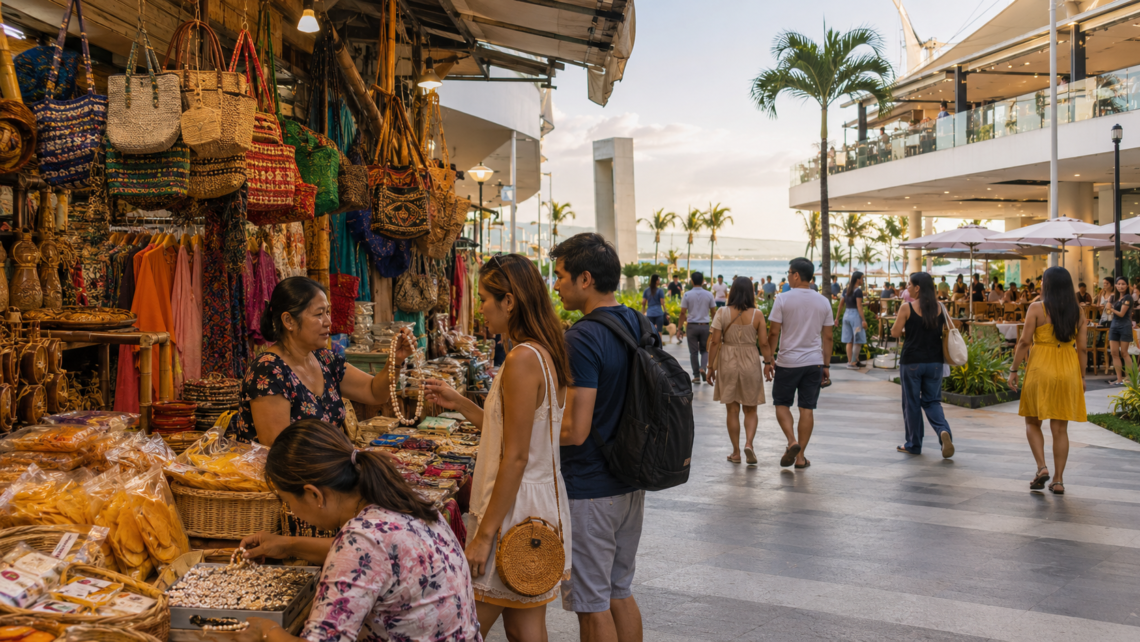
Greenhills Shopping Center offers an indoor market environment with organized sections for jewelry, clothing, electronics, collectibles, and food. Its pearl stalls are among the most distinctive attractions.
Tourists often purchase pearl necklaces as gifts, but quality levels differ substantially. Shape, luster, surface condition, color, and treatment can influence value. Asking for a written receipt and product details is advisable, especially when buying expensive jewelry.
The electronics section attracts customers seeking mobile phones, accessories, and repair services. Devices should be tested before purchase, and international buyers need to check voltage, network compatibility, and warranty limitations.
Manila’s Leading Lifestyle Malls
SM Mall of Asia is one of the most recognizable retail landmarks in Metro Manila. Located in Pasay, the complex combines shopping with restaurants, cinemas, event venues, recreation, and Manila Bay views.
Makati’s Greenbelt appeals to visitors looking for designer labels and fine dining. Its landscaped courtyards create a calmer environment than most enclosed shopping centers. Glorietta, located nearby, provides additional department stores, restaurants, and mainstream brands.
Bonifacio High Street in Taguig uses an open-air design that connects retail outlets with parks, offices, cafés, and residential buildings. It represents the continuing shift toward mixed-use commercial districts rather than traditional standalone malls.
Shopping Beyond Metro Manila
Cebu is the country’s most important shopping destination outside the capital region. Ayala Center Cebu offers gardens, restaurants, department stores, and international brands in a central business location.
SM Seaside City Cebu is designed as a large-scale entertainment and lifestyle complex. Visitors can combine retail shopping with dining, leisure activities, and family-oriented attractions.
Regional travelers can consult Philippines.travel for official destination ideas and broader tourism information before arranging transportation between shopping areas.
Choosing Authentic Philippine Products
Thoughtful purchases include woven baskets, embroidered clothing, abaca accessories, locally roasted coffee, tablea chocolate, dried fruit, pottery, and capiz-shell decorations. Products associated with specific provinces often have stronger cultural value than generic souvenir-shop merchandise.
Travelers should ask sellers about production location, materials, and artisan involvement. Buying directly from recognized craft stores, community organizations, or regional trade fairs can provide greater confidence that producers receive a fairer share of the sale.
Digital payments are becoming more visible, but cash remains essential in smaller markets. A practical shopper carries both while keeping large amounts of money concealed.