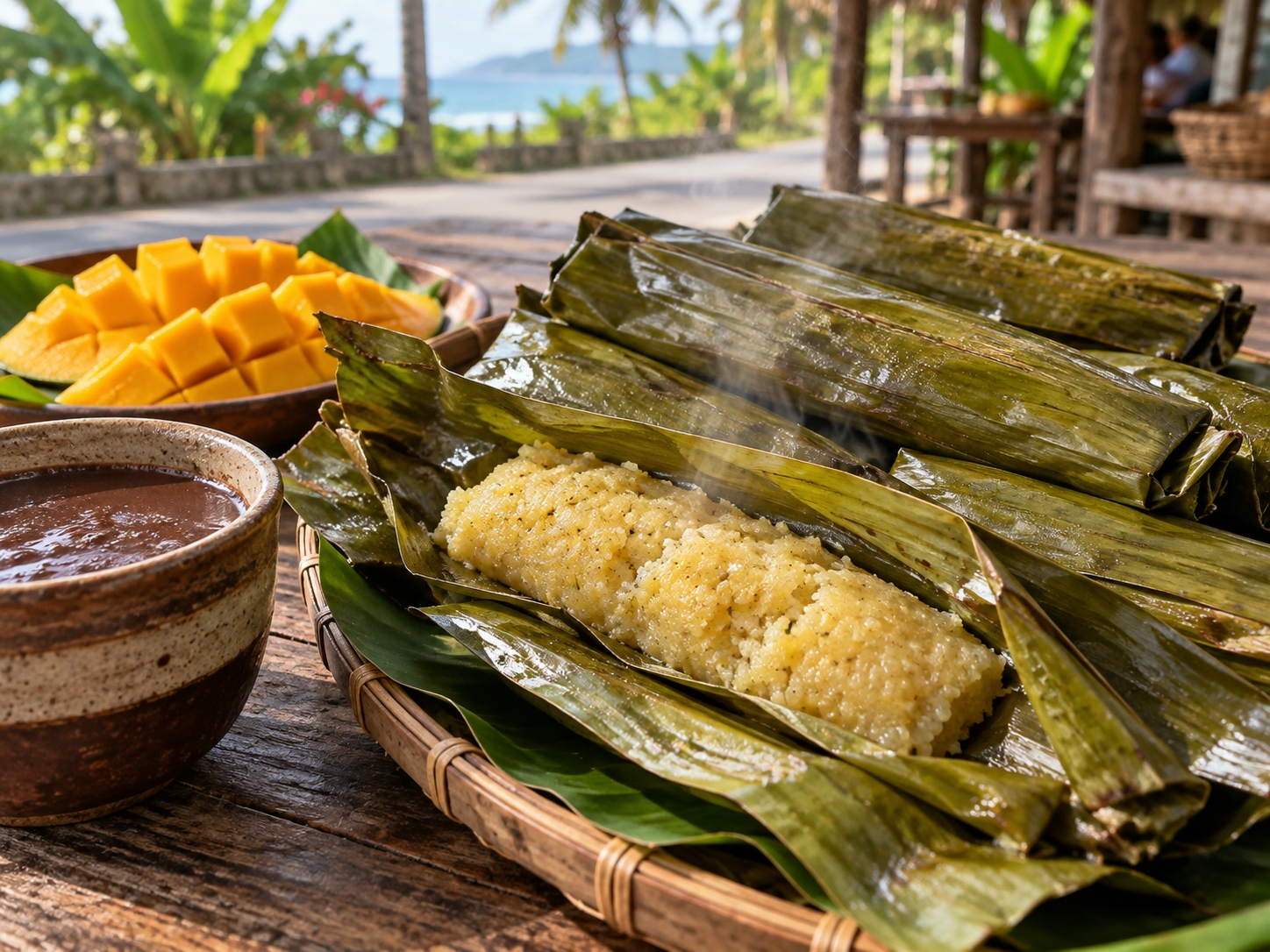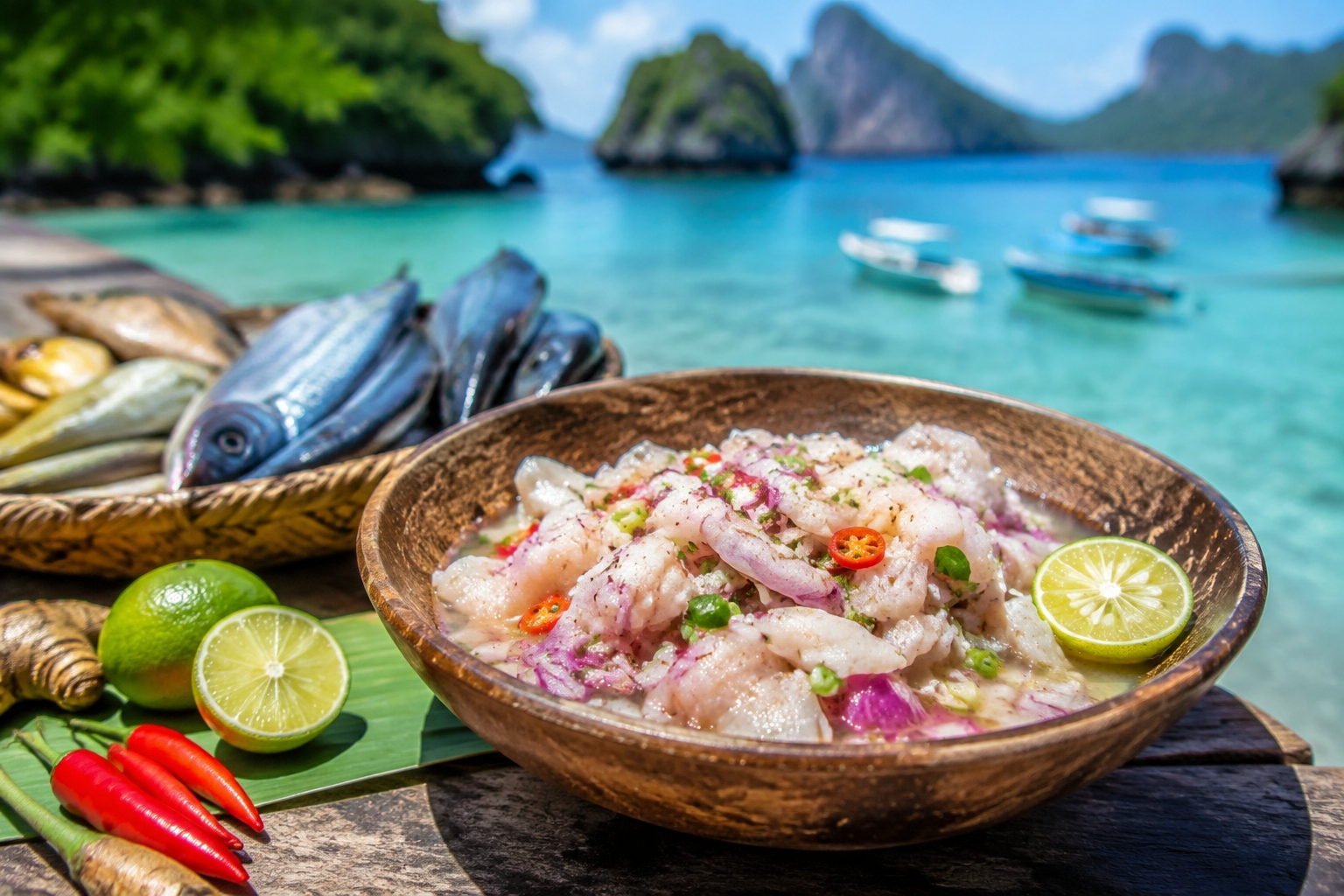

Filipino cuisine, with its rich history and complex flavor profiles, is undergoing a transformation. The modern Filipino fusion movement is bringing a fresh perspective to traditional Filipino dishes, blending them with global culinary influences to create something new and exciting. This fusion is not only about combining different ingredients or techniques but also about infusing Filipino food with a sense of innovation and adventure.
The concept of fusion cuisine, which has taken the culinary world by storm, is now making its mark on Filipino food. Filipino chefs are embracing this trend by merging local ingredients with flavors and techniques from various parts of the world. This new approach reflects the dynamic, ever-evolving nature of Filipino cuisine, where regional traditions are now enhanced and reinterpreted for the modern food lover.
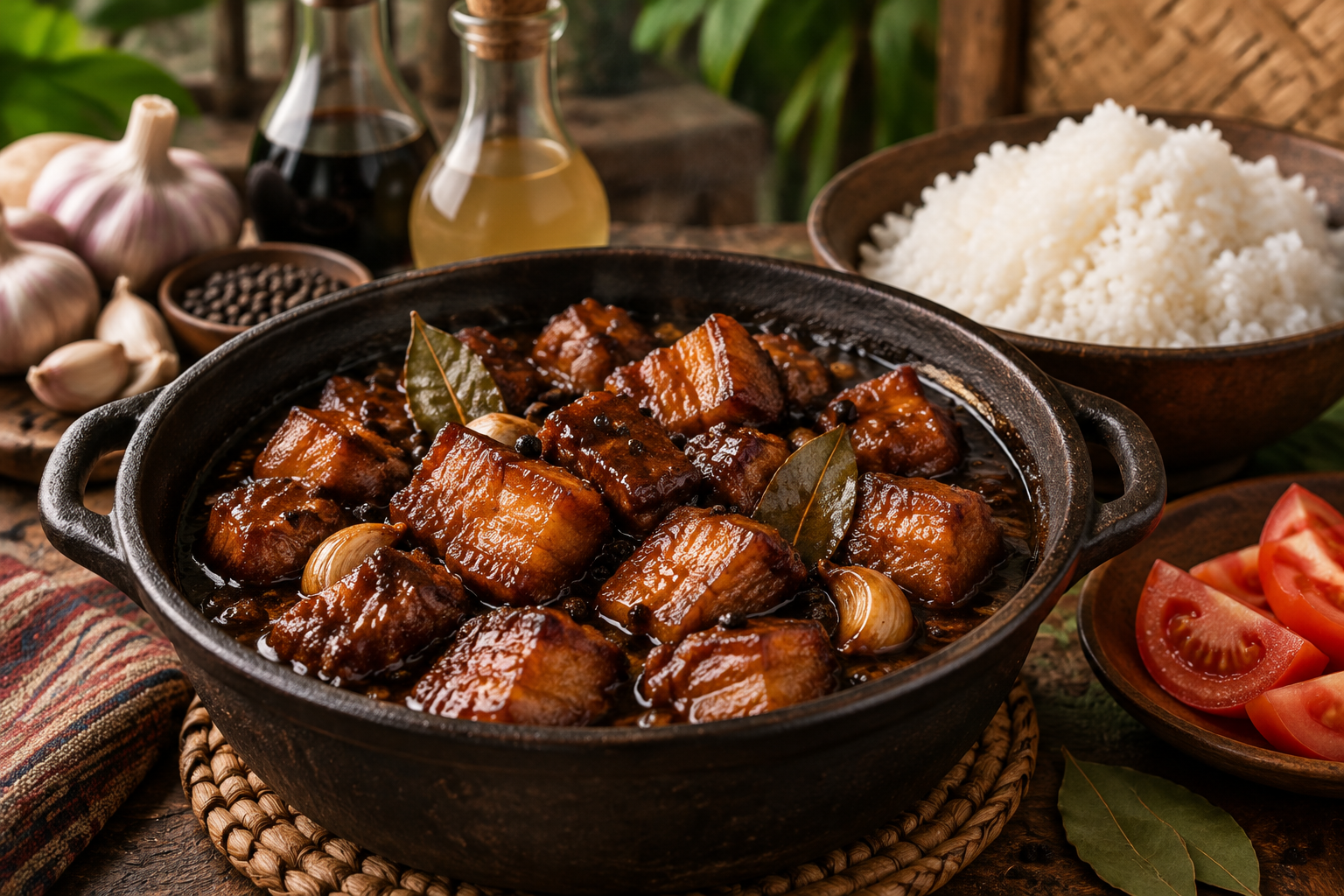
One of the most significant changes in modern Filipino fusion cuisine is the use of global ingredients to enhance traditional dishes. For example, Filipino adobo, known for its savory, tangy, and garlicky profile, has been reinterpreted using international ingredients such as lemongrass or tamarind paste, or by incorporating flavors from other cultures like Korean or Japanese influences. The infusion of truffle oil, for example, adds an aromatic luxury to the dish, making it feel both familiar and innovative.
In addition to the ingredient changes, cooking techniques also play a crucial role in this modern fusion. The slow-braised adobo, traditionally made over a stovetop, may now be prepared using sous-vide cooking to achieve a more delicate texture and intense flavors. Similarly, sinigang, the classic sour soup, can be served in an entirely new format, like a sinigang-flavored foam or as part of an upscale tasting menu.
Filipino street food, a cherished aspect of Filipino food culture, has also found a place in the world of fusion cuisine. Dishes like isaw (grilled chicken intestines) or sisig (sautéed pork cheek and ear) are now being served in fine dining restaurants, presented in innovative ways that appeal to modern tastes while still respecting the traditional flavors. Some chefs even take the bold step of incorporating global elements, such as pairing Filipino street food with Asian fusion or Mediterranean influences.
Desserts, often a highlight of Filipino meals, have seen their own share of reinvention in the fusion movement. Ube, a purple yam often used in Filipino desserts, has gained worldwide popularity. Chefs are now using ube not just in traditional pastries like halo-halo or ube ice cream, but in creative new desserts such as ube cheesecakes or ube-flavored doughnuts. Leche flan, a rich caramel custard, has been incorporated into contemporary desserts, often paired with other exotic ingredients like coconut mousse or chocolate ganache.
Another driving force behind this fusion movement is the increasing global recognition of Filipino cuisine. As chefs around the world become more interested in exploring Filipino flavors, they are incorporating Filipino ingredients and dishes into their menus. This exposure has helped Filipino fusion dishes gain more widespread appreciation, allowing them to reach global food enthusiasts eager to try something new.
As Filipino fusion cuisine continues to develop, it remains rooted in its rich culinary heritage. While chefs may be pushing boundaries and experimenting with new flavors, the soul of Filipino food remains intact. The modernization of traditional Filipino dishes through fusion is a celebration of the country’s history and culture, presented in an exciting new light.