Fashion in the Philippines plays a major role in shaping and expressing social identity. It helps people communicate their background, values, status, and sense of belonging. Because the Philippines is culturally diverse and historically complex, Filipino fashion cannot be understood through one single style. It is a combination of indigenous traditions, colonial influences, religious practices, modern consumer culture, and global trends.
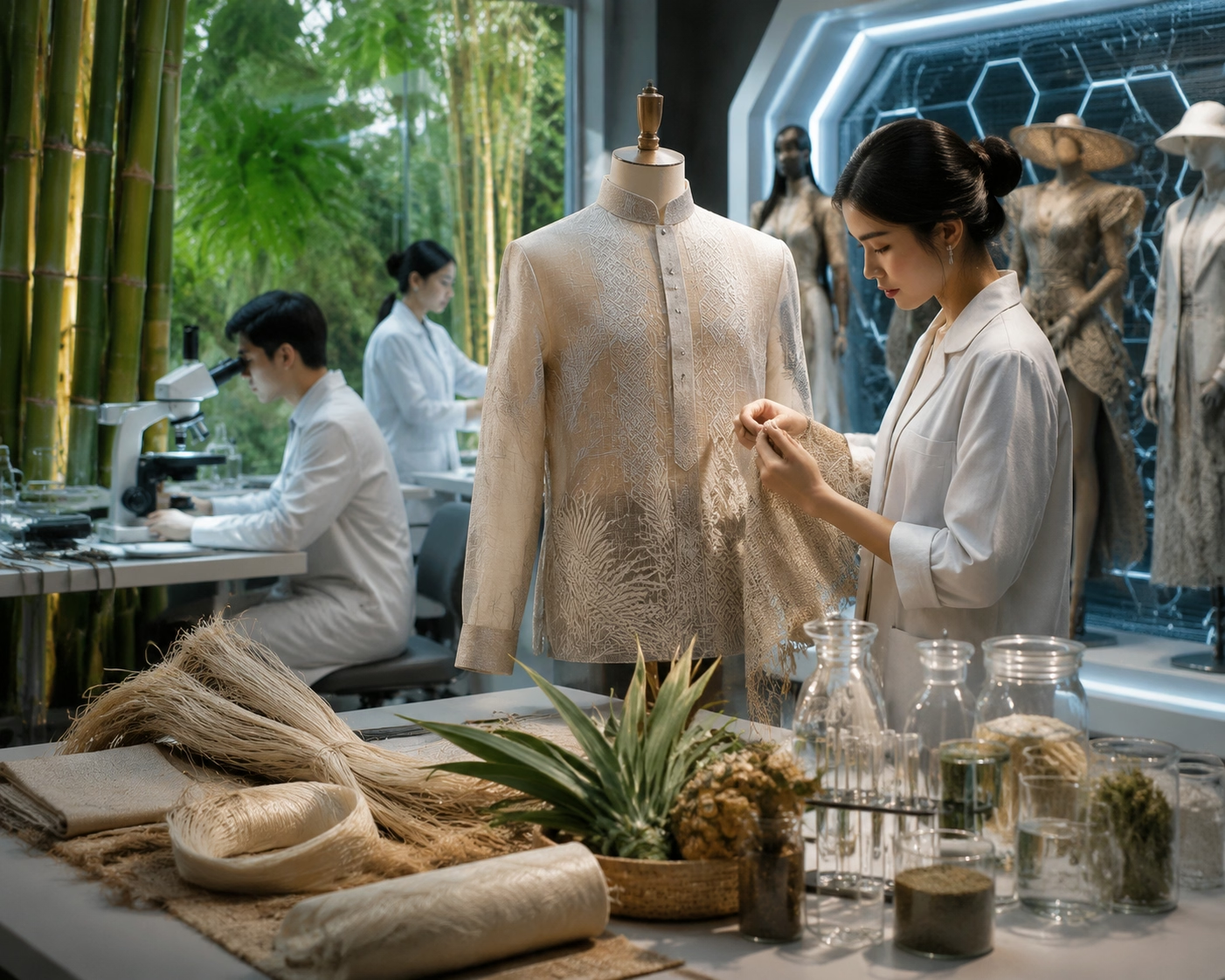
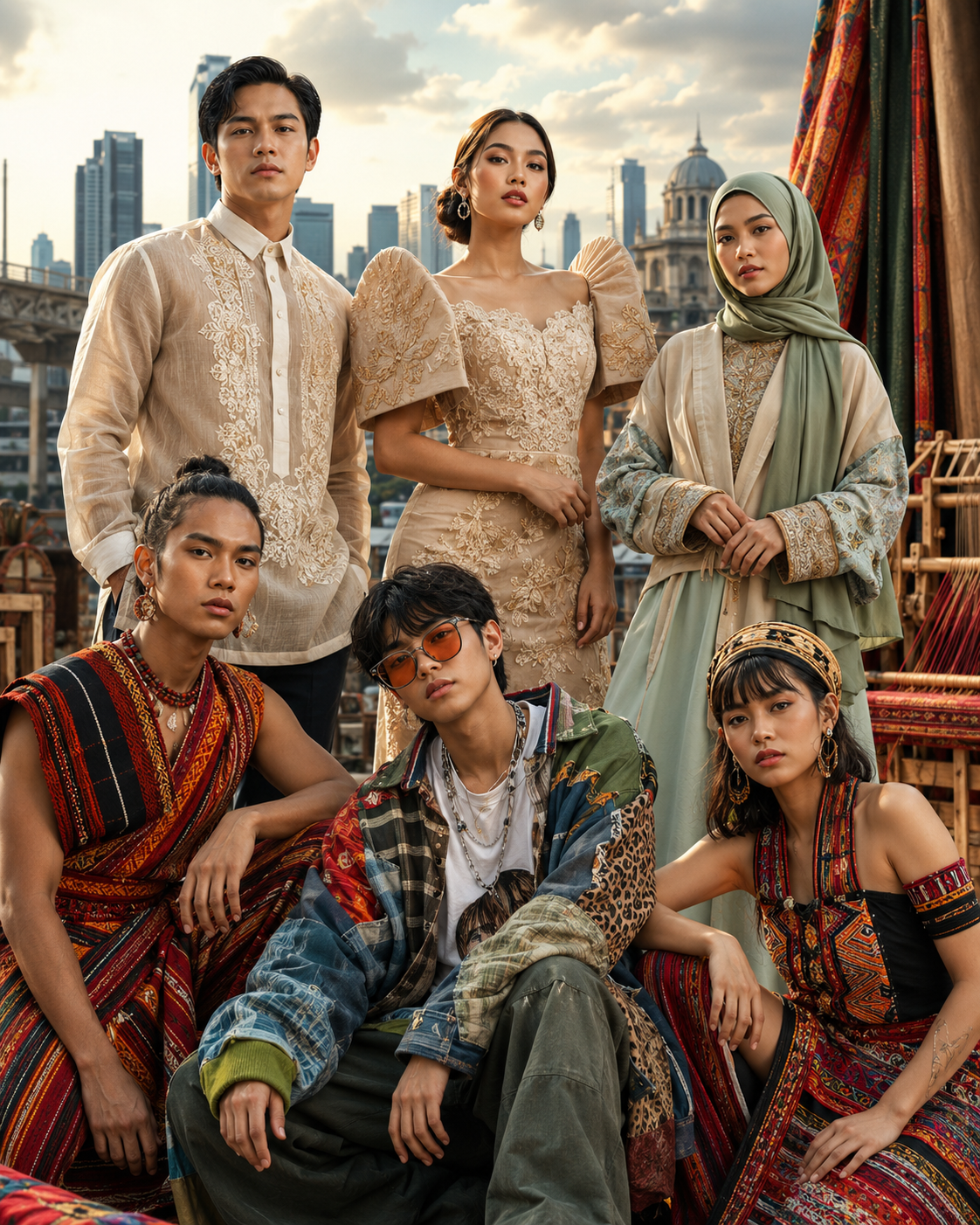
Traditional clothing remains one of the strongest expressions of Filipino identity. The barong Tagalog is often worn by men during formal events and is considered a national garment. Its translucent fabric, embroidery, and loose structure reflect Filipino aesthetics and the country’s warm climate. Wearing a barong can suggest respect for tradition, formality, and national consciousness. It is a garment that connects the individual to the larger Filipino community.
Women’s traditional fashion also carries important social meanings. The baro’t saya, Maria Clara dress, and terno represent historical ideas of femininity, elegance, and social position. The terno, with its famous butterfly sleeves, has become a visual symbol of Filipino culture. It is often worn by public figures, beauty queens, performers, and brides. While it has roots in colonial-era dress, modern designers have reinterpreted it to reflect confidence, sophistication, and national pride.
Fashion is also closely connected to class. In many Filipino cities, people use clothing to present themselves as professional, educated, stylish, or successful. Corporate fashion, branded items, and carefully selected outfits can become markers of social mobility. In a society where appearance often affects first impressions, dressing well can be seen as a sign of discipline and ambition. This does not mean that style belongs only to the wealthy. Instead, Filipino fashion shows how people at different income levels use clothing to create identity.
One strong example is ukay-ukay culture. Secondhand clothing markets are popular across the country and have become part of everyday fashion life. Through ukay-ukay, Filipinos can buy affordable clothes, including imported or branded items. Many people also enjoy the individuality that comes with thrifted fashion. Since pieces are often unique, wearers can build a personal style that is not limited to mainstream trends. This practice reflects Filipino resourcefulness and creativity.
Ethnic and regional fashion adds another layer to social identity. Different communities in the Philippines have their own textiles, patterns, and weaving traditions. For example, T’nalak weaving among the T’boli people is associated with dreams, spirituality, and cultural inheritance. Inabel from Ilocos reflects local craftsmanship, while Yakan textiles are known for their bold colors and geometric patterns. These fabrics are not merely decorative. They carry stories of place, ancestry, and community knowledge.
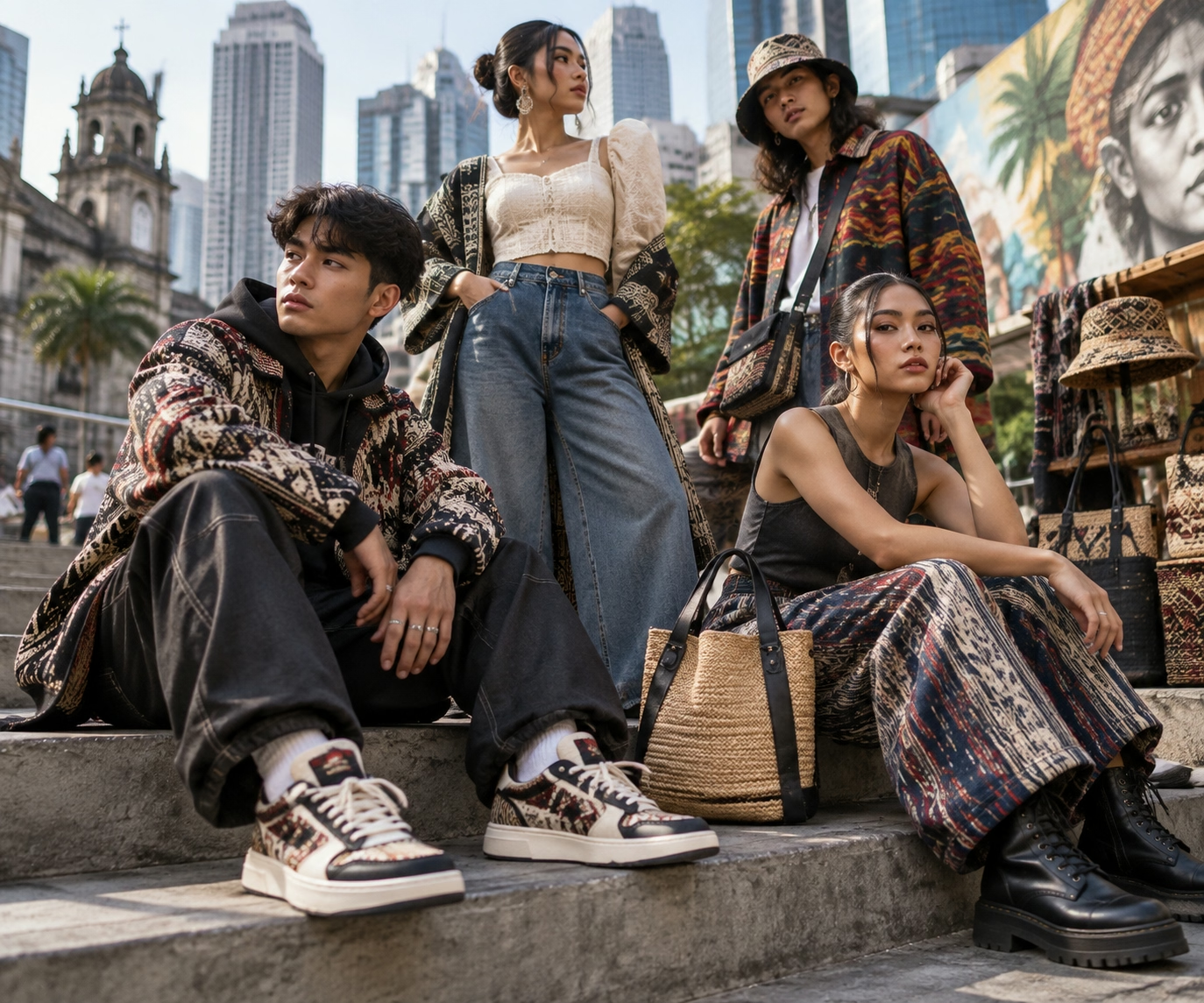
Modern Filipino designers increasingly incorporate indigenous textiles into contemporary clothing. This can promote cultural appreciation and support local artisans, although it also raises questions about respectful use and proper recognition. When done thoughtfully, combining traditional textiles with modern design allows fashion to become a bridge between generations.
Filipino youth have expanded the meaning of fashion even further. Through social media, they experiment with streetwear, vintage outfits, minimalist styles, Korean-inspired fashion, and gender-neutral clothing. Their choices show that identity today is flexible and personal. Fashion allows them to explore who they are while still engaging with family, culture, and community expectations.
In the Philippines, fashion is a living social language. It reflects heritage, class, creativity, religion, region, and modern self-expression. Every outfit can become a small but meaningful statement about identity and belonging.