Environmental health is a critical public issue in the Philippines because it influences everyday life in homes, schools, workplaces, and communities. It includes the quality of air people breathe, the water they drink, the cleanliness of neighborhoods, and the safety of the spaces where they live. In the Philippines, environmental health concerns are amplified by dense urban populations, inadequate infrastructure in some areas, and frequent exposure to natural disasters.
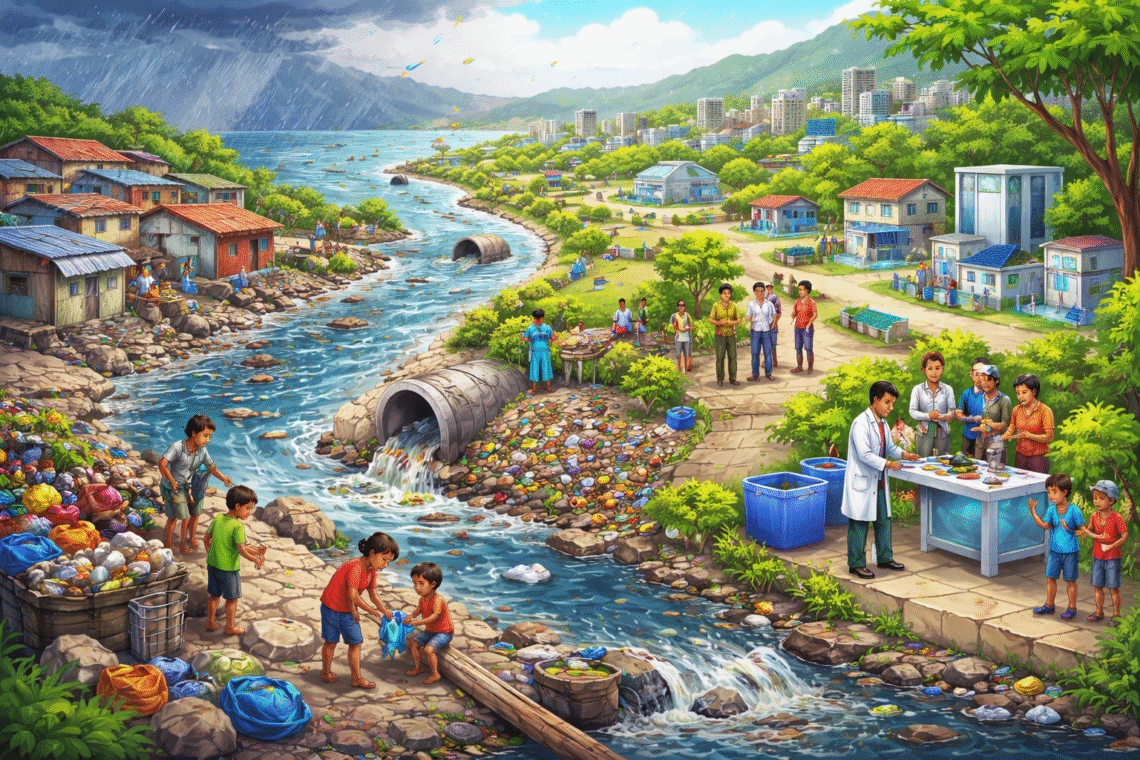
One central issue is unsafe and polluted water. In many parts of the country, water systems face pressure from population growth, aging infrastructure, and contamination from sewage or solid waste. Rural and island communities may have limited access to treated water, while urban poor communities often depend on shared or informal water sources. When water is contaminated, health impacts can be immediate and severe, especially for children. Diarrheal diseases, dehydration, skin infections, and intestinal illnesses remain strongly linked to poor water and sanitation conditions.
Another pressing concern is sanitation. In communities where toilets, drainage systems, and sewage treatment are insufficient, human waste can contaminate the environment. Flooding makes the problem worse by carrying waste into homes, streets, and water bodies. This increases the likelihood of disease outbreaks and affects school attendance, productivity, and family income. Women and children are often disproportionately affected when sanitation facilities are inadequate, unsafe, or distant.
The Philippines also struggles with waste leakage into the environment. Single-use plastics, food packaging, discarded fishing gear, and household refuse often end up in creeks, rivers, and coastal zones. Improperly managed waste creates breeding sites for insects and rodents and contributes to dirty, unhealthy surroundings. Open burning of waste remains a dangerous practice in some communities, releasing smoke and toxic substances that can damage the lungs and irritate the eyes and throat.
Air quality is another major environmental health concern, especially in congested urban areas. Transportation emissions, industrial activity, and dust from development projects all affect the atmosphere. Fine particles and other pollutants can enter the lungs and bloodstream, increasing the risk of asthma attacks, chronic respiratory disease, stroke, and heart problems. Students, commuters, traffic enforcers, and workers in roadside settings may be exposed for long periods without adequate protection.
Climate and geography make these problems harder to manage. The Philippines regularly experiences typhoons, landslides, storm surges, and extreme rainfall. These events can damage hospitals, water lines, sanitation systems, and waste facilities. They can also force families into evacuation centers where crowding and poor hygiene may accelerate the spread of disease. In warmer conditions, mosquitoes thrive more easily, which may increase dengue transmission in affected areas.
Addressing these problems requires a broad and sustained response. Strong environmental governance is necessary to ensure that pollution rules are enforced and public services reach vulnerable populations. Investments in wastewater treatment, drainage systems, safe housing, and reliable water supply can significantly improve health outcomes. Better urban planning can prevent settlements from expanding into dangerous or polluted locations.
Education and local participation are equally valuable. Barangay-level campaigns can teach families how to store water safely, separate waste, compost organic materials, and reduce mosquito breeding areas. Schools can integrate environmental health into everyday learning, helping children become advocates in their own households.
A healthier environment supports a healthier population. In the Philippines, improving environmental health means reducing disease, protecting livelihoods, strengthening disaster resilience, and creating communities where people can live with greater safety and dignity.