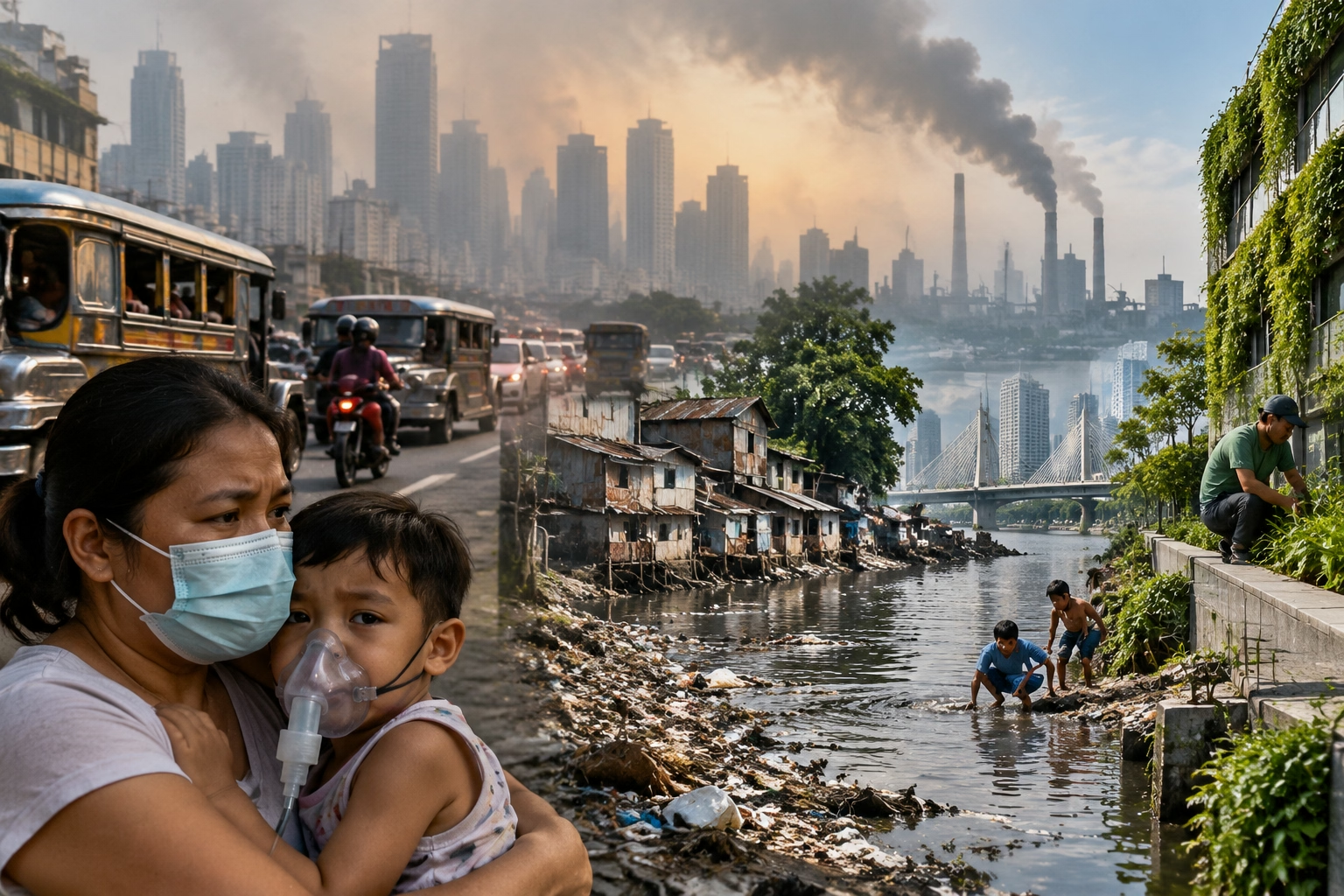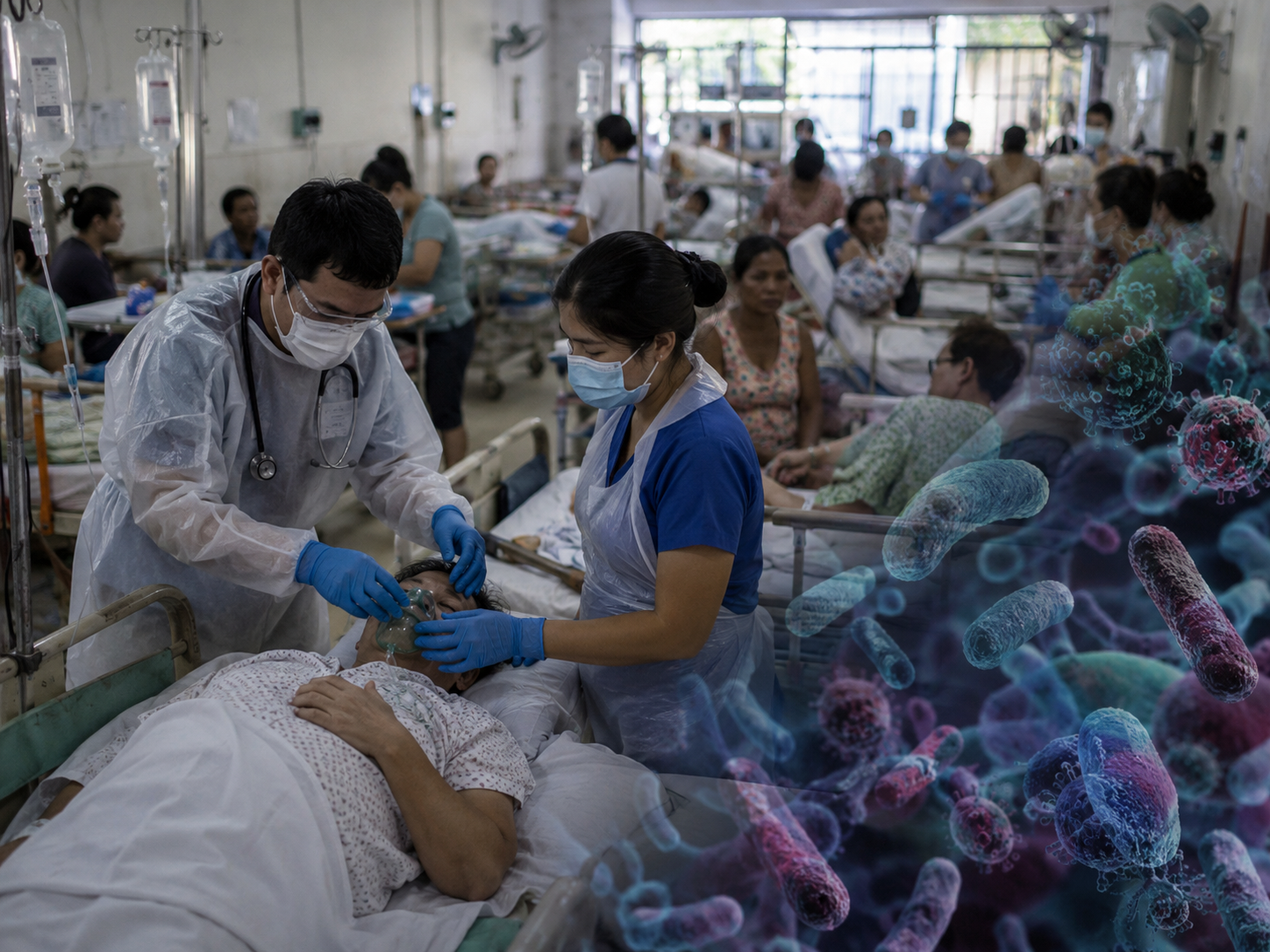
In the Philippines, the health of children is of paramount importance, with the government and private sector working together to address a wide range of health issues affecting the nation’s young population. With various health challenges, including malnutrition, infectious diseases, and limited access to healthcare in rural regions, both sectors have recognized the need for effective and coordinated efforts to improve child health outcomes.
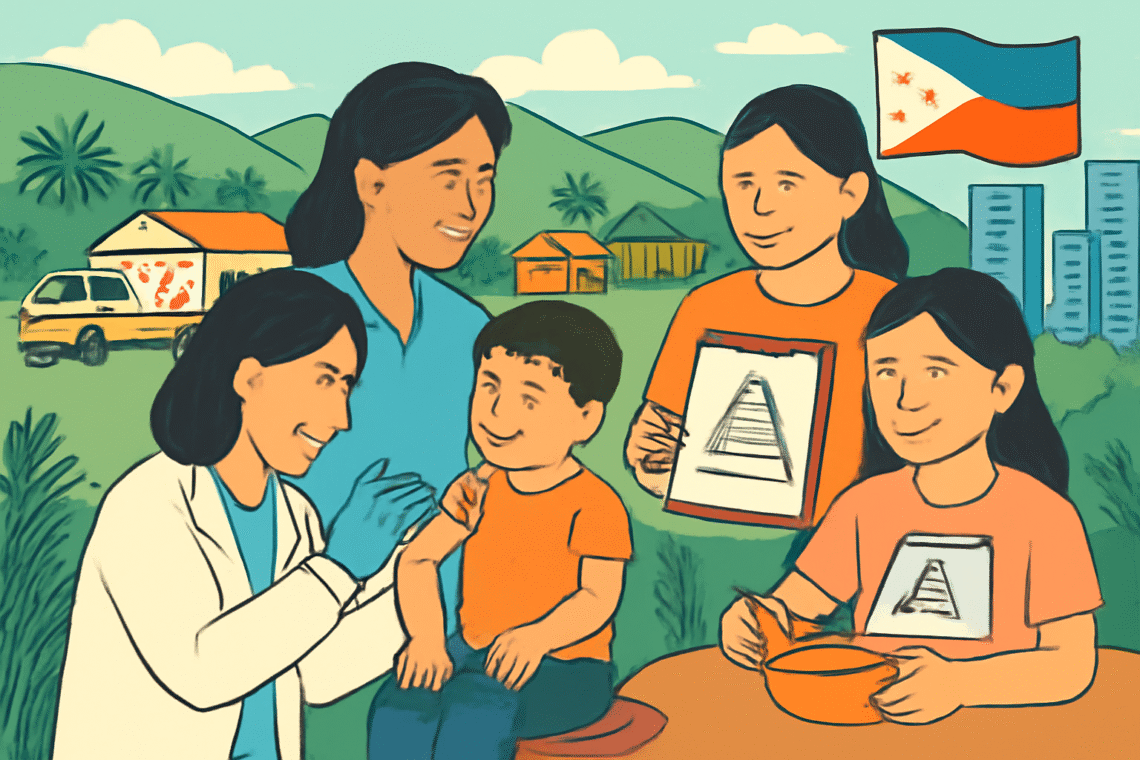
The Philippine government has introduced a variety of programs aimed at improving child health across the country. One of the most notable is the Comprehensive Family Health Program, which focuses on maternal and child health services. This initiative seeks to reduce maternal and infant mortality rates, provide immunization services, and improve access to essential healthcare services for children. The Expanded Program on Immunization (EPI) has been particularly effective in reducing the incidence of vaccine-preventable diseases among Filipino children. By providing vaccines at no cost to families, the government ensures that even those in remote areas can protect their children from diseases such as polio, diphtheria, and tuberculosis.
Malnutrition, another major issue affecting Filipino children, has been addressed through various government programs. The National Nutrition Council (NNC) has spearheaded efforts to reduce childhood stunting and underweight. Supplementary feeding programs and nutrition education are provided to children, particularly in areas where poverty and food insecurity are prevalent. Local government units (LGUs) are integral in implementing these programs, ensuring that they reach the most vulnerable populations.
In addition, the government has introduced the Universal Health Care (UHC) law, which aims to provide equitable access to quality healthcare services for all Filipinos, including children. This law ensures that every Filipino, regardless of income or location, can access essential health services. Under UHC, children benefit from regular health screenings, vaccinations, and other preventive services at no cost, thus improving overall health outcomes.
Private sector involvement in child health is also significant. Numerous NGOs, such as Save the Children Philippines, work to improve healthcare access and outcomes for children. These organizations often collaborate with the government to implement healthcare interventions, conduct health education campaigns, and provide medical care to children in need.
Private healthcare providers have also contributed to child health through specialized care, such as pediatric services and developmental support for children with special needs. These private institutions often partner with government agencies to deliver health services to underserved populations, particularly in rural areas. Additionally, private sector initiatives, such as corporate partnerships with healthcare providers, have led to the development of community-based healthcare programs, vaccination drives, and medical missions aimed at improving child health.
The synergy between the public and private sectors has proven to be effective in addressing the health challenges facing children in the Philippines. Through government initiatives, private sector collaborations, and grassroots programs, both sectors are working together to ensure that Filipino children have access to the healthcare they need to thrive.