The rise of e-sports in the Philippines is closely tied to cultural shifts in how Filipinos spend their free time and connect with each other. As competitive gaming has moved into the spotlight, it has merged with music, fashion, internet humor, and fandom culture, creating a vibrant scene that feels distinctly Filipino yet globally connected.
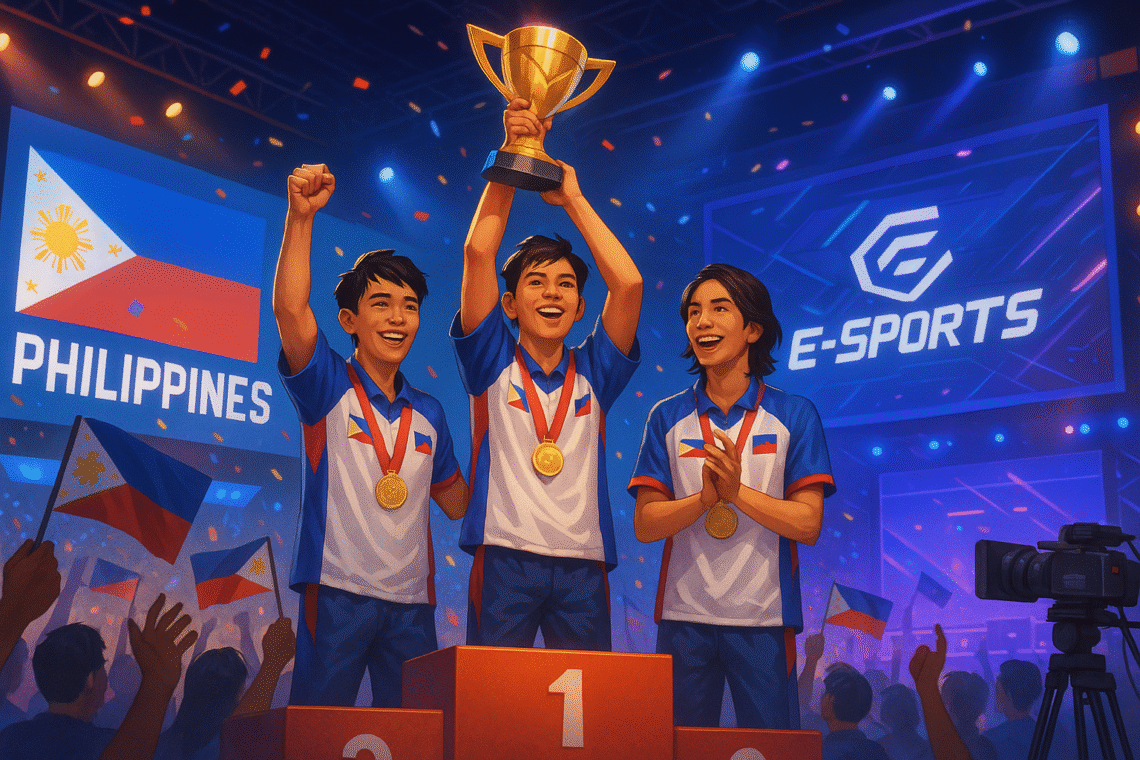
E-sports tournaments have turned into events that resemble concerts as much as sports matches. Audiences watch their favorite teams battle it out while DJs, hosts, and performers fill the gaps between games with entertainment. Cosplayers attend dressed as characters from popular titles, posing with fans and adding a visual spectacle to the event. These elements transform a simple competition into an immersive experience that attracts even casual viewers.
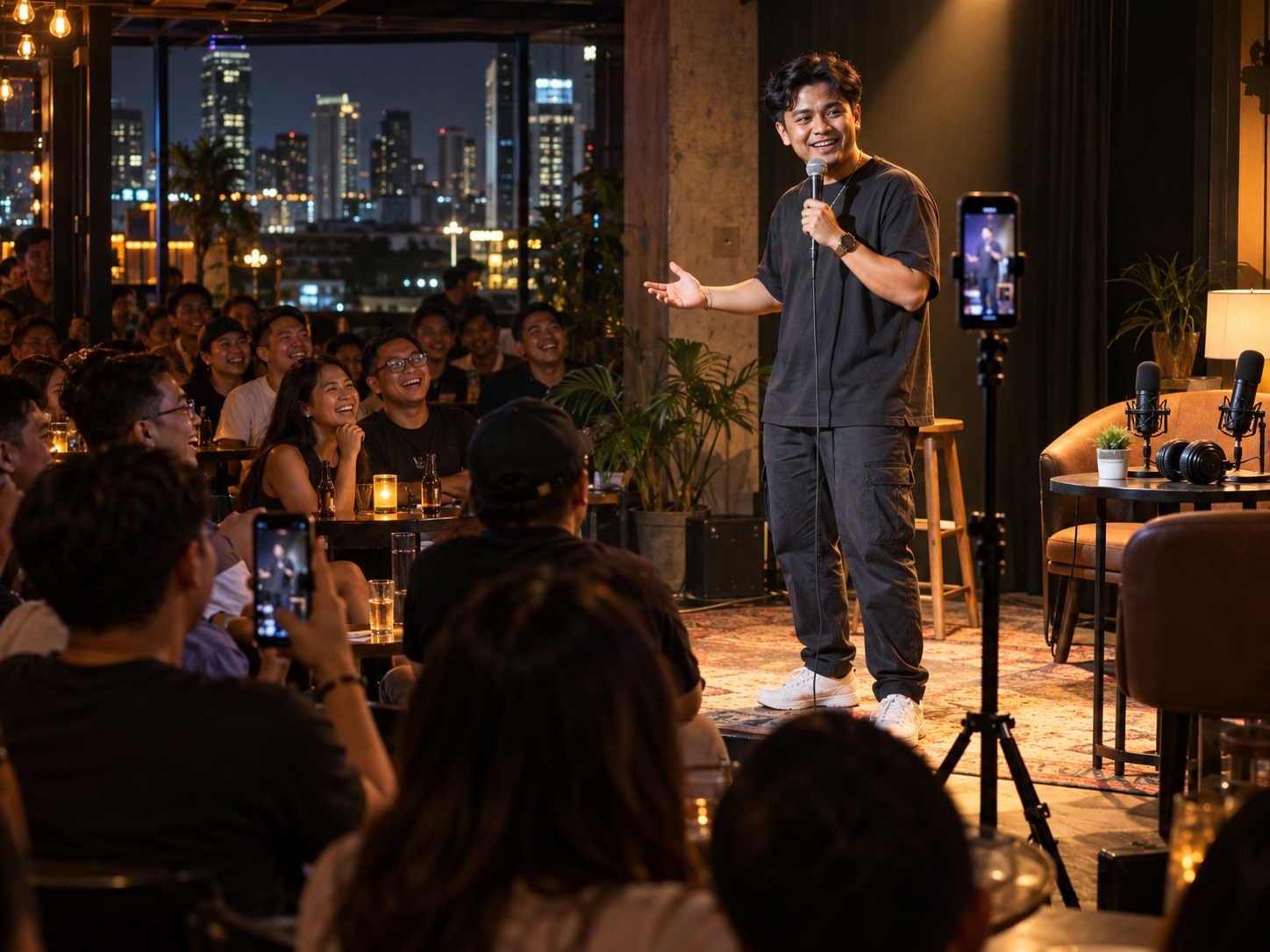
Online, Filipino e-sports fans have crafted a unique identity. Social media is filled with memes, fan edits, and playful trash talk that blend English, Filipino, and regional languages. This flexible, humorous communication style keeps the community lively and approachable. Fans often form tight-knit online groups, supporting their idols not only in tournaments but also in personal milestones, charity streams, and collaborative projects.
Representation is another important dimension. For a long time, gaming was stereotyped as a male-dominated activity, but women and LGBTQ+ gamers in the Philippines have steadily gained visibility. Female casters, players, and streamers are building their own audiences and proving their skill onstage. Inclusive events and all-female tournaments are helping challenge outdated assumptions and encourage more diverse participation.
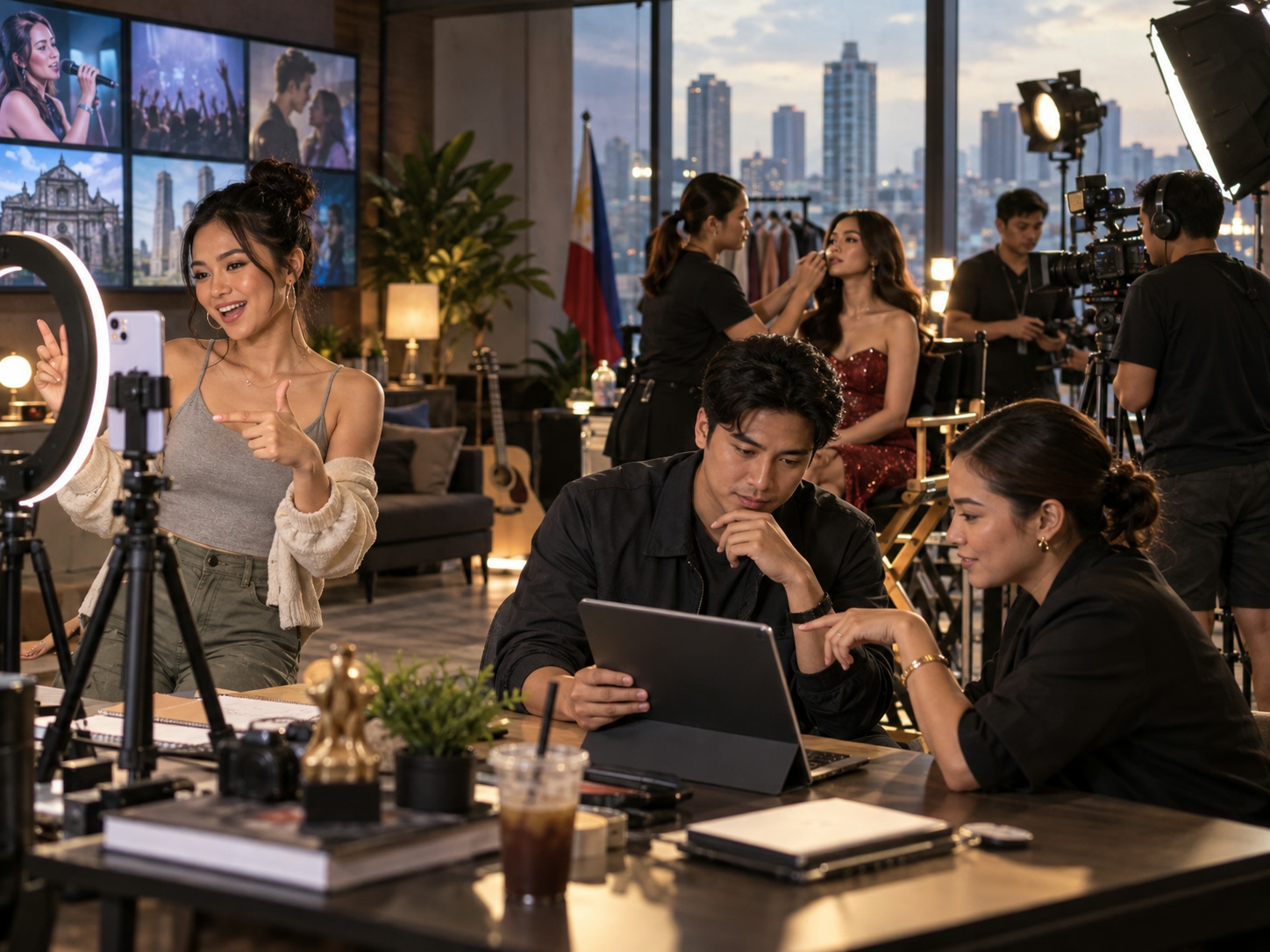
The entertainment industry has taken note of this cultural energy. Filipino celebrities and musicians collaborate with e-sports organizations, lend their star power to promotions, or stream games themselves. Game-themed music videos, branded content, and crossover events bring e-sports into the orbit of mainstream pop culture. The boundaries between “gamer” and “non-gamer” audiences are becoming increasingly blurred as more people discover e-sports through their favorite artists or influencers.
Despite the positive developments, there are issues that need attention. Toxic behavior in chats, harassment towards players—especially women—and excessive pressure on public figures can damage the community atmosphere. Many Filipino organizations and content creators are responding by promoting codes of conduct, moderating comment sections, and speaking up about respect and sportsmanship. These efforts are vital for protecting e-sports as a healthy form of entertainment.
There is also a growing conversation about mental health. Professional players and streamers in the Philippines face demanding schedules, performance anxiety, and constant evaluation by audiences. Some openly discuss their struggles with stress and burnout, helping to normalize seeking help and setting boundaries. As awareness grows, more teams are starting to consider mental health support as part of their player welfare programs.
For everyday viewers, e-sports offers a new kind of escapism and community. People tune in after school or work, not just to watch skilled gameplay, but to feel part of something bigger: a shared storyline that unfolds across seasons, rivalries, and international competitions. In a country with a large youth population and strong social media usage, e-sports has become a natural extension of how Filipinos socialize, celebrate, and express identity.
As long as the community continues to address issues of inclusion, respect, and well-being, e-sports in the Philippines will remain more than just a competitive pastime. It will continue to be a cultural space where new forms of entertainment, creativity, and belonging are constantly being invented.