The Rondalla, a traditional Filipino string ensemble known for its mandolin-like instruments such as the Bandurria, Laud, and Octavina, has long been a staple of school events and civic gatherings. However, in 2026, its role has evolved from mere background entertainment to a critical pedagogical tool. As educational institutions grapple with the mental health crisis and identity confusion exacerbated by globalization, the Rondalla is being championed as a solution for fostering community and grounding students in their heritage.
The Institutionalization of Folk Music
Major universities across Metro Manila and the provinces have begun mandating or heavily incentivizing participation in cultural ensembles. Unlike the solitary pursuit of learning the piano or violin, the Rondalla is inherently communal. It requires a high level of listening, synchronization, and mutual support. Administrators in 2026 argue that this collective approach to music-making is essential for rebuilding social skills that were eroded during the years of pandemic isolation.
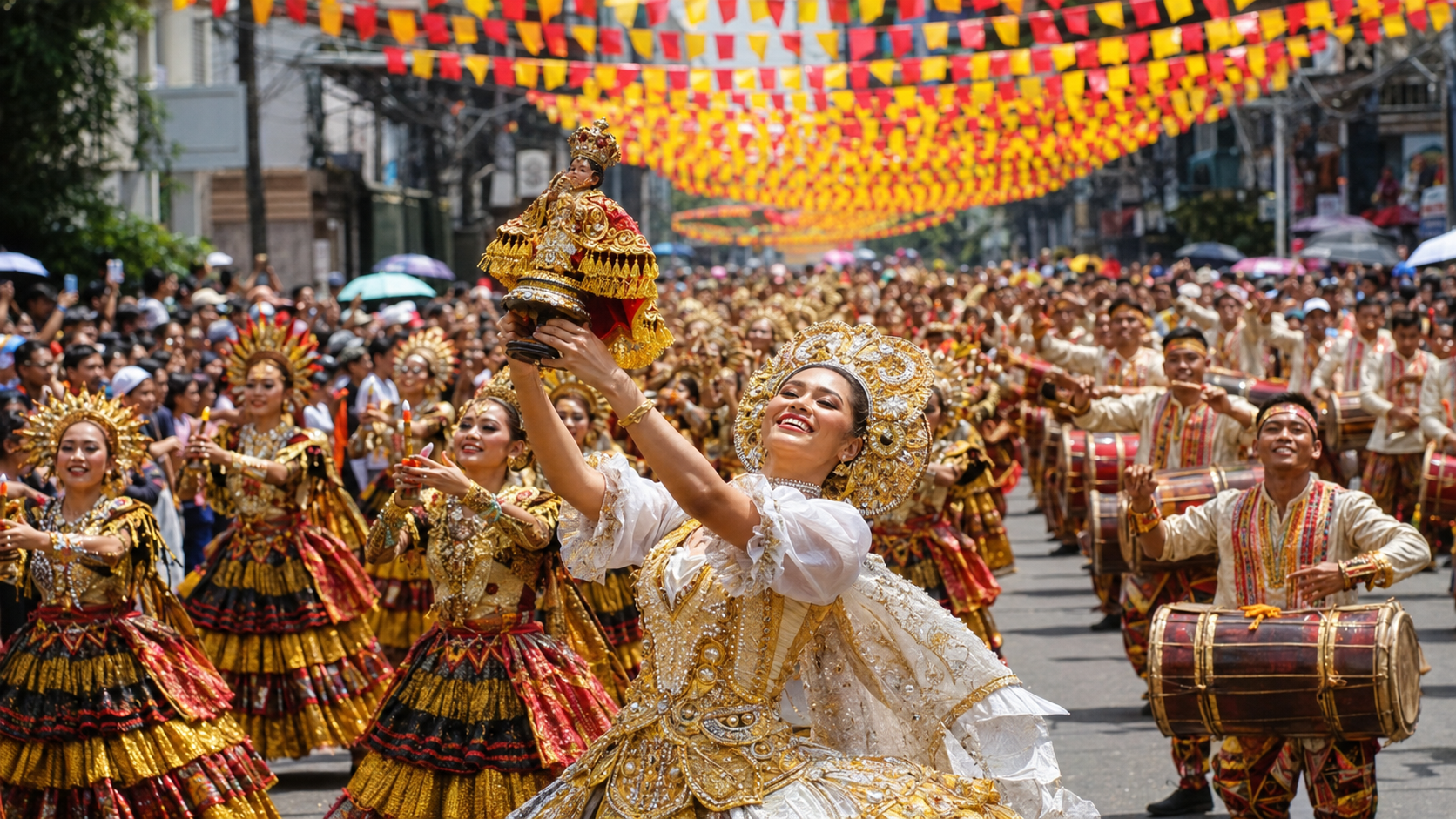
The sound of the Rondalla is distinct—bright, tremolo-heavy, and festive. It is the sound of the Fiesta and the community gathering. By integrating this sound into the daily campus environment, universities are signaling a departure from Western-centric classical norms and placing Filipino artistry at the center of academic life.
Economic Accessibility and Craftsmanship
One of the key reasons for the Rondalla’s success in educational settings is its accessibility. High-quality orchestral instruments are often prohibitively expensive. In contrast, a robust cottage industry in the Philippines produces excellent Bandurrias and Octavinas at a fraction of the cost. This economic factor is crucial in 2026. The Department of Trade and Industry has noted a spike in the local manufacturing of string instruments to meet the demand from educational institutions. By purchasing local instruments, schools are also stimulating the local economy and keeping the craft of lutherie (instrument making) alive.
For researchers and students looking into the specific heritage of these instruments, the National Library of the Philippines offers extensive digitized collections regarding the history of Filipino music and craftsmanship. Their active 2026 database serves as a primary source: http://web.nlp.gov.ph/.
Beyond Performance: Mental Wellness and Discipline
While the music is upbeat, the discipline required to master it is intense. Music educators report that students involved in Rondalla groups in 2026 show higher levels of concentration and lower levels of stress. The repetitive, rhythmic strumming patterns are often likened to meditation. Furthermore, playing Filipino music provides a sense of pride and “rootedness” that many young people lack in the age of AI and digital nomadism.
The Rondalla in 2026 is not just about playing notes; it is about playing a role in a living history. It represents a unified effort to build a society that values cooperation over competition and heritage over viral trends.