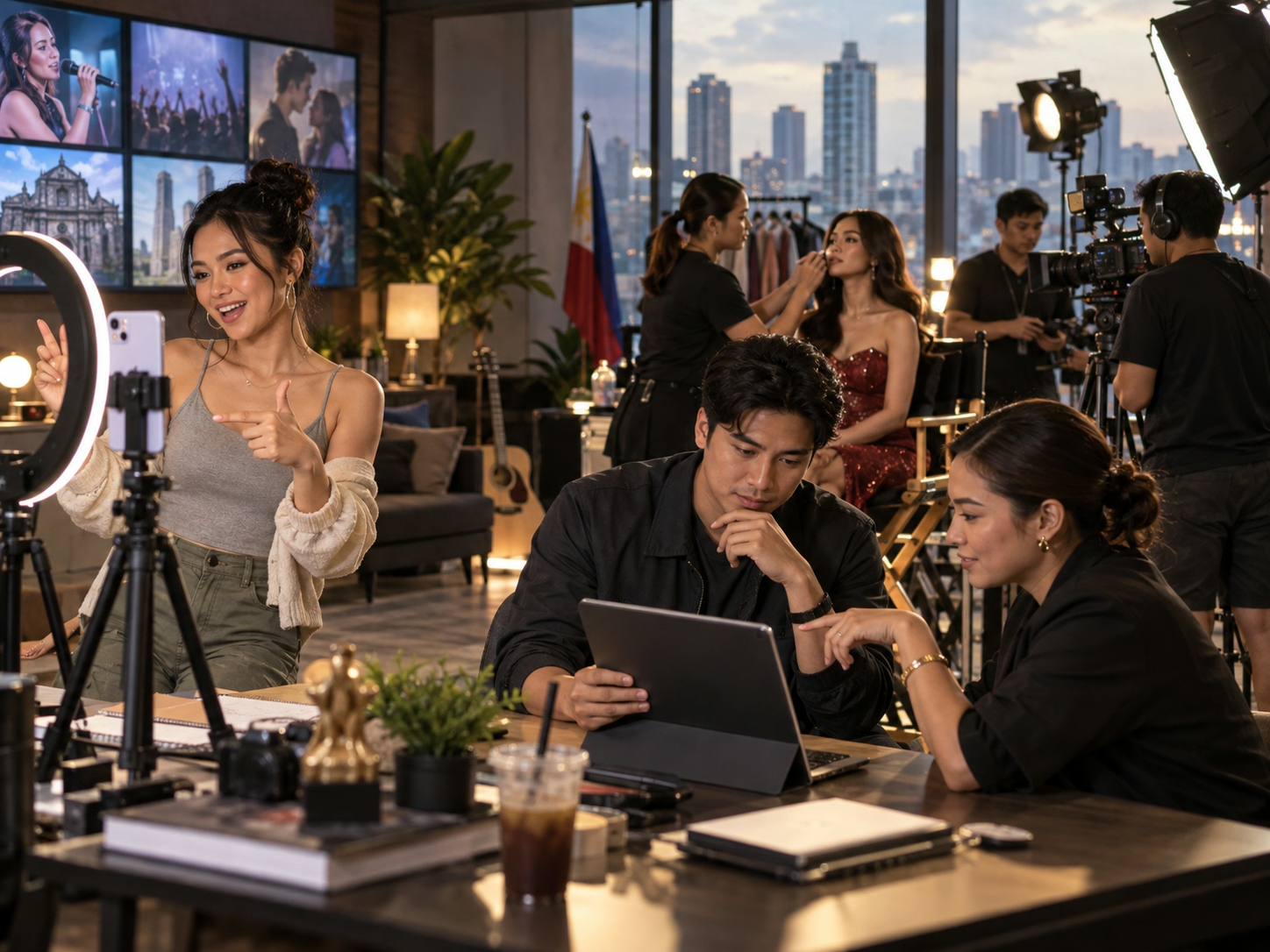
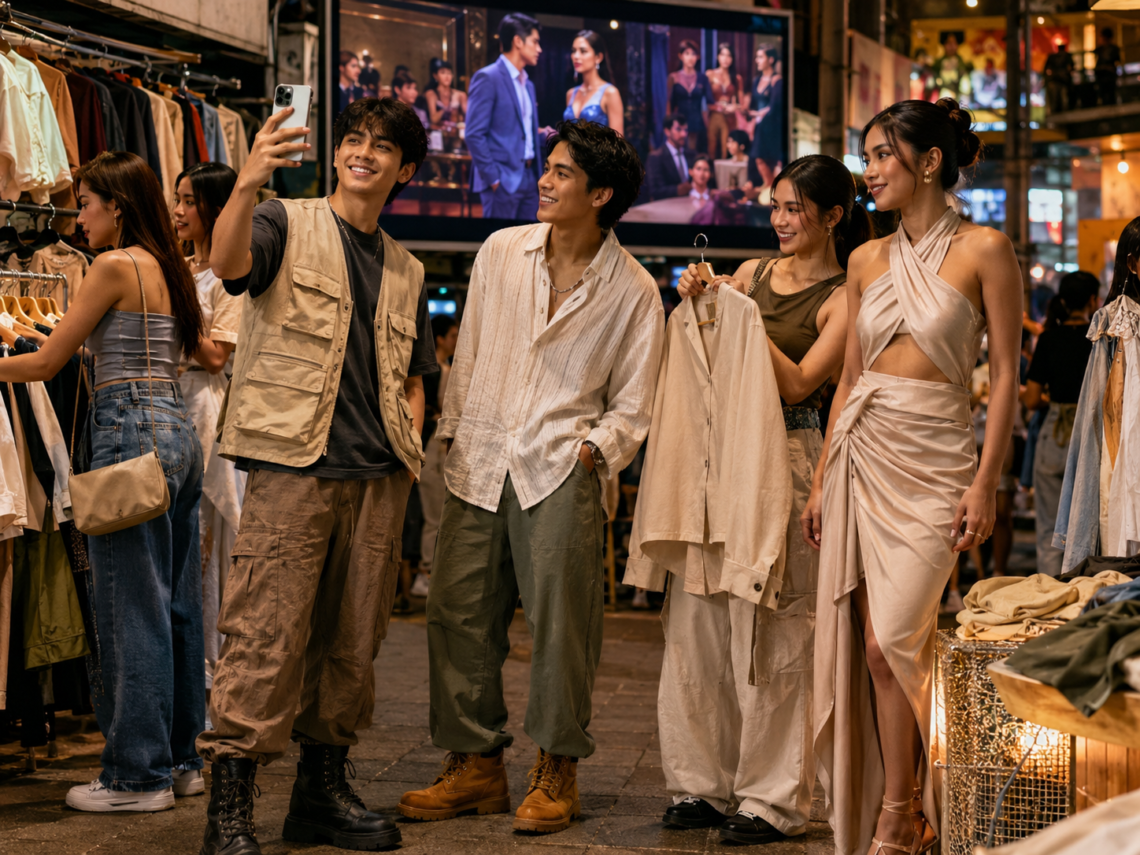
In 2026 the Philippine fashion industry is not merely adjacent to the entertainment sector—it is embedded within it. Every major style movement, from the resurgence of the modern filipiniana to the dominance of athleisure, can be traced back to a pop culture moment: a concert, a teleserye episode, or a viral dance challenge. The resulting economy is both agile and massive, as fashion brands increasingly behave like entertainment production houses, and celebrities double as creative directors.
The Teleserye Economy’s Wardrobe Effect
Philippine television dramas command nightly viewership in the millions, and their costume design now functions as a sophisticated consumer funnel. In 2026, GMA Network’s historical portal fantasy Sang’gre triggered a renaissance of pre-colonial-inspired silhouettes. Costume designer Noel Flores collaborated with the Metropolitan Museum of Manila to ensure historical fidelity, but also tweaked proportions to suit contemporary tastes. The ripple effect was immediate: local e-commerce platforms recorded a 78 percent increase in searches for gold-plated accessories and draped formal wear within a month of the pilot. This data, highlighted in the Department of Trade and Industry’s 2026 creative industries performance brief, underscores how heritage narratives can be monetized through fashion without losing cultural integrity.
Music, Choreography, and Streetwear Crossover
The P-pop explosion remains the most dynamic generator of youth fashion. Beyond album sales, groups like BGYO and Alamat use music videos as branding vehicles for homegrown streetwear labels. A single “performance video” can feature up to five different local designers, turning YouTube into a curated fashion marketplace. In 2026, the streetwear segment’s expansion is tightly bound to the choreography-driven content cycle: fans want to wear what they see in motion, leading to a preference for oversized silhouettes, statement sneakers, and utility vests. The Philippine sneaker resale market, fueled by celebrity sneakerhead posts, is projected to hit PHP 12 billion this year according to a joint report by StockX Philippines and local analytics firm Tangere.
Social Media Influencers and Celebrity Hybrids
The line between “influencer” and “celebrity” has dissolved almost entirely. TikTok creators with millions of followers now land acting roles, while established actors stream their wardrobe try-ons live on Shopee. This fluid identity means that a single person can launch a trend simultaneously on a teleserye, a YouTube vlog, and a TikTok duet. The phenomenon is measurable: a 2026 survey by We Are Social and Meltwater found that 72 percent of Filipino online shoppers aged 16–34 credited a showbiz personality or content creator as their primary source of style inspiration. Brands, in turn, have shifted their ambassador strategies from pure endorsement to “stylist-in-residence” partnerships, where the talent co-designs seasonal collections, blurring the boundary between marketing and product development.
Sustainability in the Spotlight
An unexpected by-product of the entertainment-fashion merge is the rise of sustainability. Celebrities are increasingly vocal about thrift culture and archival fashion. Actress Nadine Lustre’s 2026 “no-buy” challenge—where she publicly rewore and restyled pieces from her closet—sparked a nationwide conversation about consumption, documented by a Philippine Star feature that cited a 15 percent drop in fast-fashion haul content among Gen Z creators in the succeeding quarter. Simultaneously, designer-crafted rental platforms catering to debutantes and wedding guests are thriving, many promoted by artists who borrow, rather than buy, their gala gowns. This pivot suggests that the industry’s relationship with entertainment can also serve as a vehicle for conscious consumerism.
The Data Behind the Glamour
Validating these narratives are hard numbers. The Philippine Statistics Authority’s 2026 Satellite Account on Creative Industries noted that the “fashion, entertainment, and media” cluster contributed PHP 1.63 trillion to the GDP, with fashion retail growing by 8.2 percent in the first half of the year. Direct employment in apparel manufacturing tied to media collaborations increased by 4.7 percent, demonstrating that the screen-to-garment pipeline has tangible economic weight.
Filipino fashion in 2026 is a living organism nourished by the plot twists of the evening news, the beats of a P-pop track, and the double-tap of a million followers.