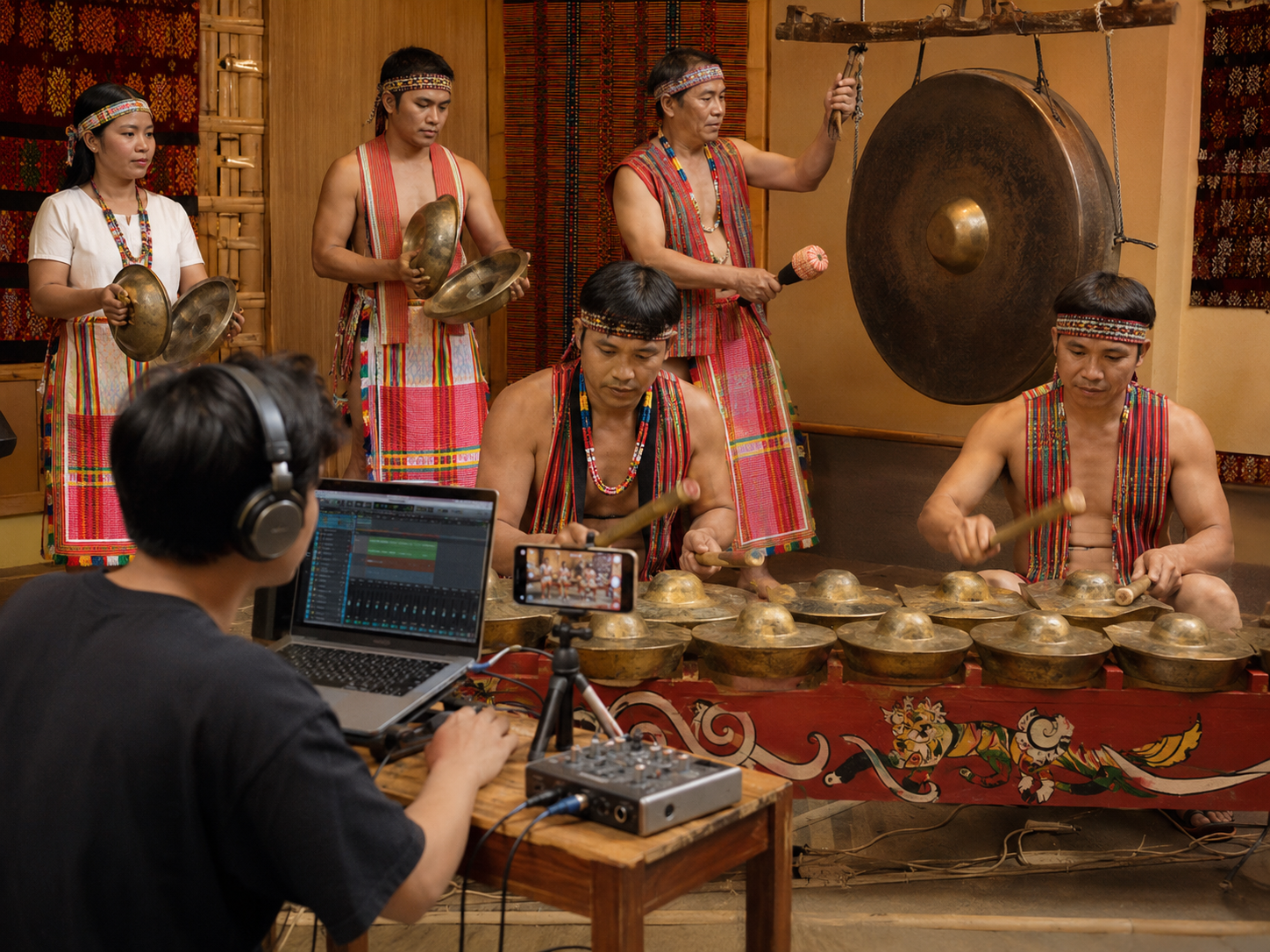
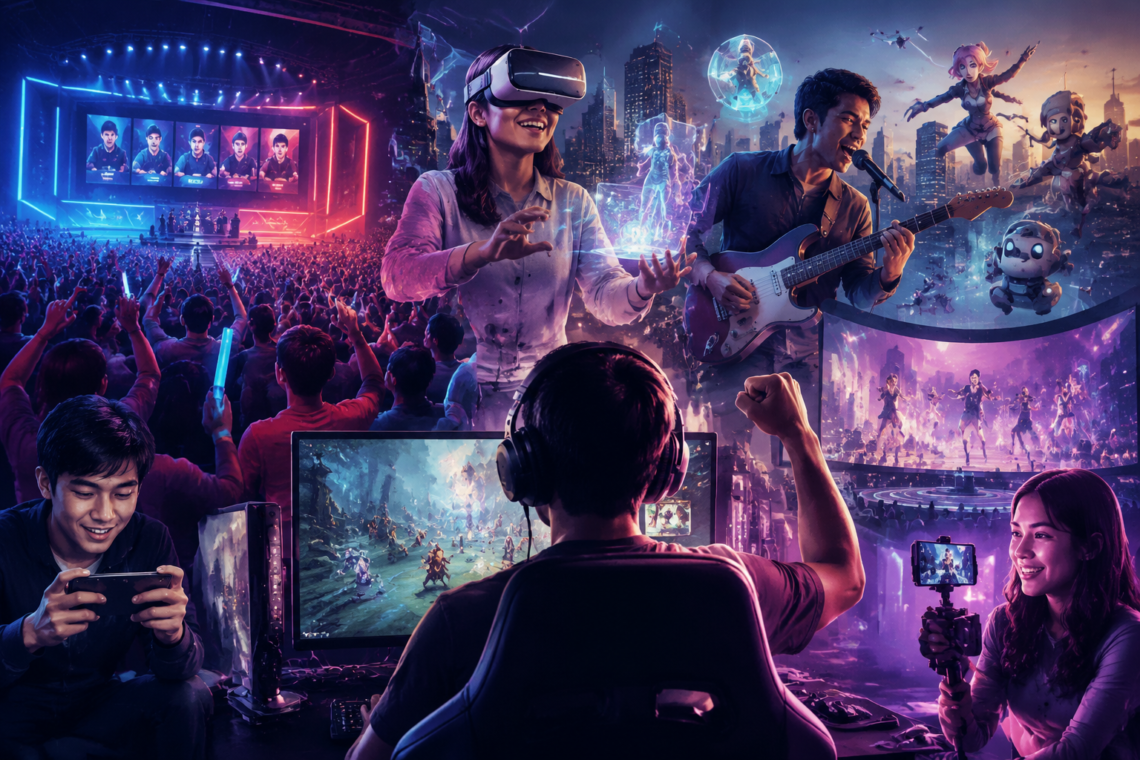
The Philippine film industry is undergoing a significant transformation as emerging technologies reshape the way movies are developed, produced, and distributed. For decades, Filipino cinema has been recognized for its powerful storytelling, cultural depth, and socially relevant narratives. However, increasing competition in the global entertainment market has encouraged filmmakers to adopt advanced technologies to improve efficiency and production quality.
In 2026, artificial intelligence (AI), virtual production, cloud-based collaboration, and digital visual effects are becoming important tools for Filipino filmmakers. These innovations are allowing both established studios and independent creators to produce more ambitious projects while managing limited resources.
Technology is no longer only associated with large international studios. Philippine filmmakers are gradually integrating affordable digital solutions that allow local productions to achieve higher creative standards.
The country’s growing digital creative economy is supported by government initiatives through agencies such as the Department of Information and Communications Technology (DICT), which promotes digital transformation across industries, including creative sectors. More information about national digital programs can be found at:
https://dict.gov.ph/
Artificial Intelligence Is Improving Film Development and Production Workflows
Artificial intelligence is becoming increasingly valuable throughout the filmmaking process. While human creativity remains the foundation of storytelling, AI tools are helping filmmakers improve efficiency in areas such as research, pre-production planning, editing, and audience analysis.
During script development, AI-assisted software can help writers analyze story structures, identify pacing issues, and organize complex narratives. Producers can also use predictive analytics to study audience preferences and understand which genres or themes may perform better in specific markets.
In post-production, AI-powered editing systems can accelerate repetitive tasks such as video organization, color correction assistance, audio enhancement, and subtitle generation. These improvements are especially beneficial for independent filmmakers who often work with smaller teams and limited budgets.
Instead of replacing creative professionals, AI is becoming a productivity tool that allows filmmakers to focus more attention on storytelling and artistic decisions.
Virtual Production Is Expanding Creative Possibilities for Filipino Filmmakers
Virtual production represents another major technological development influencing Philippine cinema. This technique combines LED screens, real-time computer graphics, and game-engine technology to create realistic digital environments during filming.
International productions such as major Hollywood films have demonstrated the potential of virtual production, and similar approaches are gradually becoming more accessible to Southeast Asian filmmakers.
For Philippine cinema, this technology offers practical advantages. Filmmakers can recreate historical locations, futuristic settings, or international environments without expensive overseas filming. This reduces production costs while allowing directors to explore more creative concepts.
For example, a Filipino science fiction film that previously required expensive location construction can now use digital environments to create visually complex worlds. This gives local filmmakers opportunities to experiment with genres that were traditionally difficult to produce.
Independent Filmmakers Benefit From Affordable Digital Tools
One of the most significant effects of technology is the democratization of filmmaking. High-quality cameras, editing software, cloud storage, and online distribution platforms have lowered barriers for emerging Filipino filmmakers.
Independent creators no longer need complete dependence on major studios to produce and share their work. Digital platforms provide alternative pathways for discovering audiences and building professional careers.
Film festivals and online communities have also become important spaces where independent Filipino filmmakers showcase experimental projects. Technology allows smaller productions to compete for attention alongside larger commercial releases.
This development is creating a more diverse Philippine cinema landscape where regional stories, cultural documentaries, and unconventional narratives have greater opportunities to reach viewers.
Digital Distribution Is Helping Filipino Films Reach International Audiences
Technology has also changed how Filipino films are distributed. Previously, many local productions depended heavily on cinema screenings within the Philippines. Today, digital platforms allow films to reach global audiences immediately after release.
Streaming services and online film marketplaces have created new revenue opportunities while increasing international exposure for Filipino directors and actors.
A significant example is the continued growth of Southeast Asian digital content markets, where Filipino productions are increasingly included in global streaming catalogs. According to Motion Picture Association (MPA) reports, Asia-Pacific remains one of the fastest-growing regions for digital entertainment consumption. Industry reports are available through:
https://www.motionpictures.org/
This global shift encourages Filipino filmmakers to develop stories that maintain local identity while connecting with international audiences.
The Future of Philippine Cinema Depends on Creative Technology Integration
The combination of Filipino storytelling traditions and modern technology is creating new possibilities for the country’s film industry. AI, virtual production, and digital distribution are helping filmmakers overcome traditional limitations related to budget, location, and international access.
As technology continues to evolve, Philippine cinema has the opportunity to strengthen its position in the global entertainment ecosystem by combining innovation with the creativity and cultural perspectives that make Filipino stories unique.